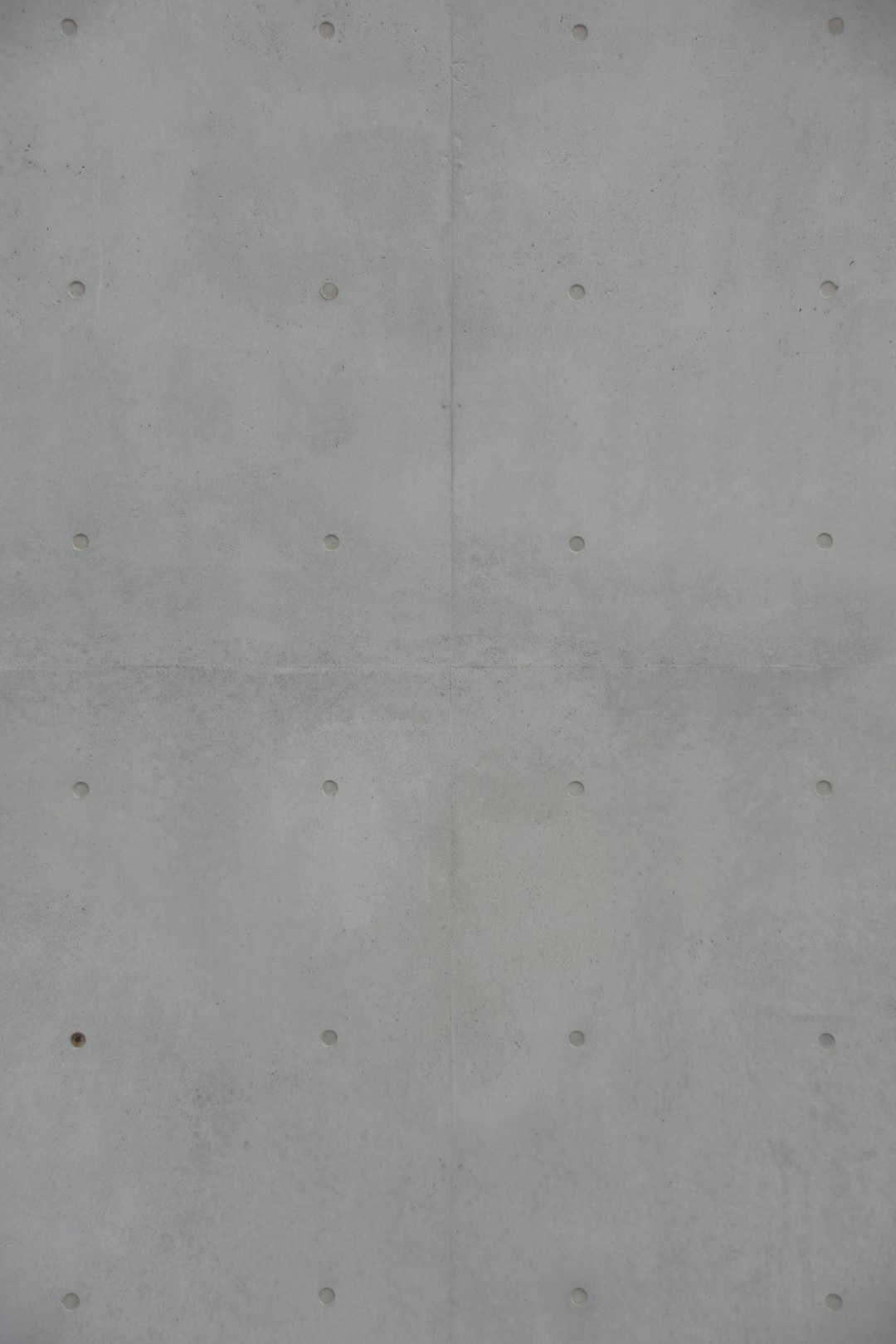

Poor surface preparation is one of the easiest ways to create a failed coating. Dust, loose paint, grease, and weak concrete prevent proper adhesion, meaning the new material cannot stay firmly attached to its base. Concrete may also have a powdery surface layer called laitance, while an older coating may resist bonding with the new system. Painting over either condition can produce a finish that looks sound on the day of application but later blisters, flakes, or lifts around the edges. A practical habit is to scrape and inspect a small test area first, rather than assuming every part of the wall has the same strength.
Begin with a close inspection before opening the coating container. Look for active seepage, open cracks, failed sealant, mineral deposits, and damp areas that become darker after rain. Efflorescence, the pale crystalline residue left when water carries minerals through masonry, should be removed because it signals moisture movement and can interfere with bonding. Clear away loose particles and flaking material using a cleaning method suitable for the substrate. The substrate may be concrete, masonry, plaster, or a previously painted surface, and each may need different preparation. Product instructions and the project specification should be checked together before selecting a waterproof barrier paint.
Water pressure behind the wall can exceed what a surface film is designed to handle. Hydrostatic pressure develops when saturated soil pushes water against a basement wall or slab. A coating that performs well against ordinary dampness may not stop water forced through a moving crack, open joint, or porous section under sustained pressure. In that situation, the repair may involve improving drainage, sealing a joint, treating a crack, or addressing water at the exterior before any coating is applied. A liquid membrane can sometimes bridge minor surface irregularities after preparation, but it should not be used as a structural repair for wide cracks, movement, or persistent pressure.
Bathrooms create a different set of risks because water concentrates at changes in plane and around penetrations. Consider a wall behind a shower that has been coated before the tile installer arrives. The broad middle of the wall may receive an even layer, while the corners, pipe openings, and junction with the floor get only a quick brush pass. Those areas are more likely to interrupt the waterproof layer and allow leakage. Treat them as separate details. Depending on the system, compatible sealant, reinforcing fabric, or prefabricated accessories may be specified at corners and penetrations. The objective is continuity across every transition, not extra thickness in the easiest areas to reach.
Application conditions also affect performance. The instructions may require a clean, dry surface and a particular range of air or substrate temperatures. Applying a heavy coat can slow curing or trap moisture, while spreading the material too thin can leave pinholes and weak spots. Wet film thickness is the thickness measured immediately after application, and checking it with a suitable gauge can help keep coverage consistent across the wall. A short written record of the product, batch, application date, and number of coats is useful when several trades are involved. It also prevents a common mistake: relying on memory when a second coat or tile installation is scheduled.
The coating needs protection while it develops its intended properties. Rain, wash water, dust, foot traffic, and contact with tools can damage a film that feels dry but has not fully cured. The stated recoat and cure times should be followed rather than judged by touch alone. Do not cover the area with shelving, trim, insulation, or tile until the instructions permit it and the surface has been checked for missed sections. A small inspection light can reveal pinholes, thin edges, or uncoated corners that are easy to overlook under ordinary room lighting. Keeping a few inches around the repair accessible also makes later inspections possible.
Performance should be checked after the next period of heavy rain and, in a bathroom, around fixtures, corners, grout lines, and adjoining rooms. Bubbling, whitening, cracking, or a returning damp edge may indicate continuing moisture movement rather than a minor paint flaw. If the basement wall remains wet, record where and when the moisture appears, then compare it with outdoor rainfall and visible drainage conditions. For projects involving several layers or different substrates, moisture control planning can help organize questions about surface condition, compatible materials, and application sequence before work begins. Shelves and finishes should stay clear until the repaired area has shown stable performance.