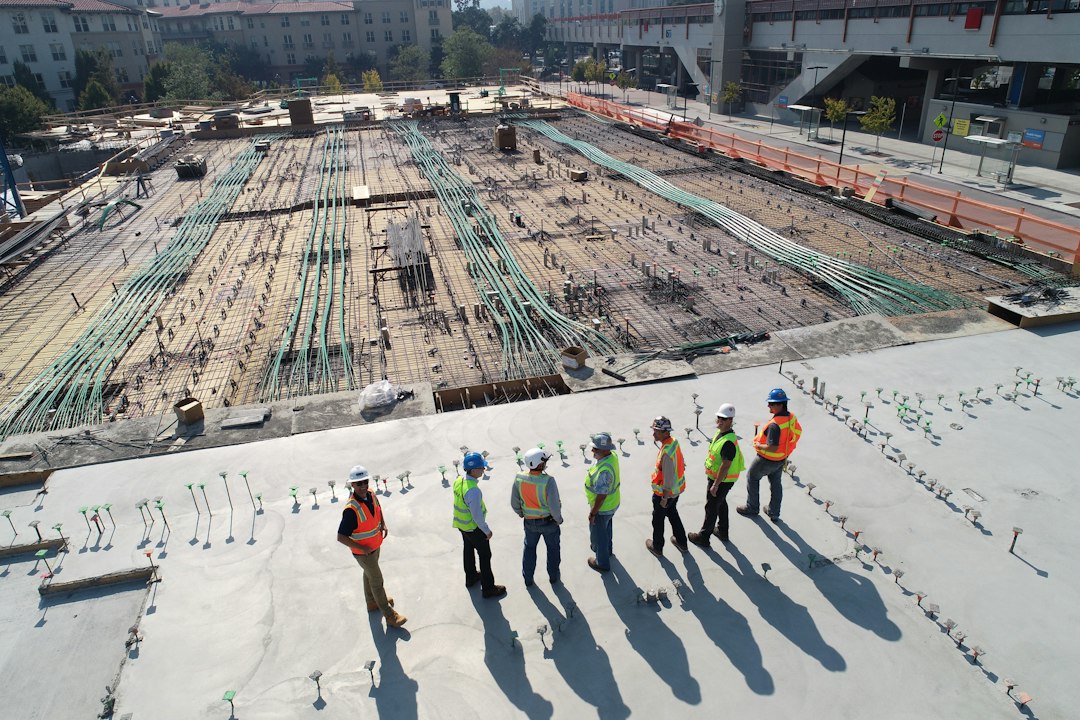

The assessment begins with borrowing capacity. The lender reviews income, existing debts and regular household spending, then tests whether repayments remain affordable under its serviceability approach. The assessed rate may therefore be higher than the rate eventually offered. Pre-approval indicates that finance may be available based on the information supplied; it is not final approval. A later valuation, changed employment, incomplete documents or a different builder can alter the result. Someone who has recently changed jobs, taken parental leave or started a business may need to provide a clear explanation and supporting evidence rather than rely on a standard application.
Most building facilities use progress payments. The lender agrees stages such as the slab, frame, lock-up and practical completion, then releases funds after receiving evidence that each stage is finished. A site inspection, invoice or builder claim may form part of that check, depending on the lender. Interest is generally calculated on the amount drawn, not the full approved limit, although the exact arrangement varies. The lender also orders a valuation based on the plans, specifications, land and expected completed property. If the proposed end value does not support the requested debt, the borrower may need to contribute more money or alter the project.
The quality of the building file can affect the speed of the assessment. Lenders commonly ask for a signed fixed-price building contract, detailed plans, specifications, relevant council or certifier documents and a schedule of stage payments. A fixed-price contract sets the agreed construction price, but it does not make every cost predictable. Self-employed applicants may need personal and business tax returns, financial statements and details of existing liabilities. A useful practical habit is to check that the names and property address match across the contract, plans and loan application. A broker can organise the file, but the lender still makes the credit decision.
The headline build price is only part of the budget. Site works, demolition, retaining walls, service connections, design fees, insurance, appliances and landscaping may sit outside the builder’s figure. A contingency reserve should be kept for unforeseen costs rather than quietly allocated to furniture or another purchase. Variations are changes made after the contract is signed, such as upgrading joinery or changing tiles. They may require additional cash and may not be covered by the original facility. Before work begins, the borrower should ask the builder how variations are priced, approved and documented, then confirm with the lender how any extra funding would be assessed.
Imagine a couple building on land they already own. Their equity may help support the proposal, but equity is not the same as money available to pay an invoice. The lender considers the current land value, expected completed value and total debt. Loan-to-value ratio, or LVR, compares the loan with the property’s value and can influence the lending terms and whether additional costs apply. If the couple’s budget depends on irregular overtime, the lender may use a lower or adjusted income figure. Keeping payslips, bank statements and a running project budget together can reveal a shortfall before a progress payment is due.
A buyer purchasing land now and building later faces a separate timing question. Land finance does not automatically secure approval for future construction, so updated income evidence, plans, a selected builder and a new valuation may be required. Compare the drawdown process, fees, repayment changes during construction and treatment of genuine variations alongside the interest rate. Ask who requests each progress inspection and how long payment normally takes, since a builder’s invoice may arrive before the lender’s requirements have been met. Reviewing construction loan options against the complete land, build and contingency budget gives the application a more realistic starting point.