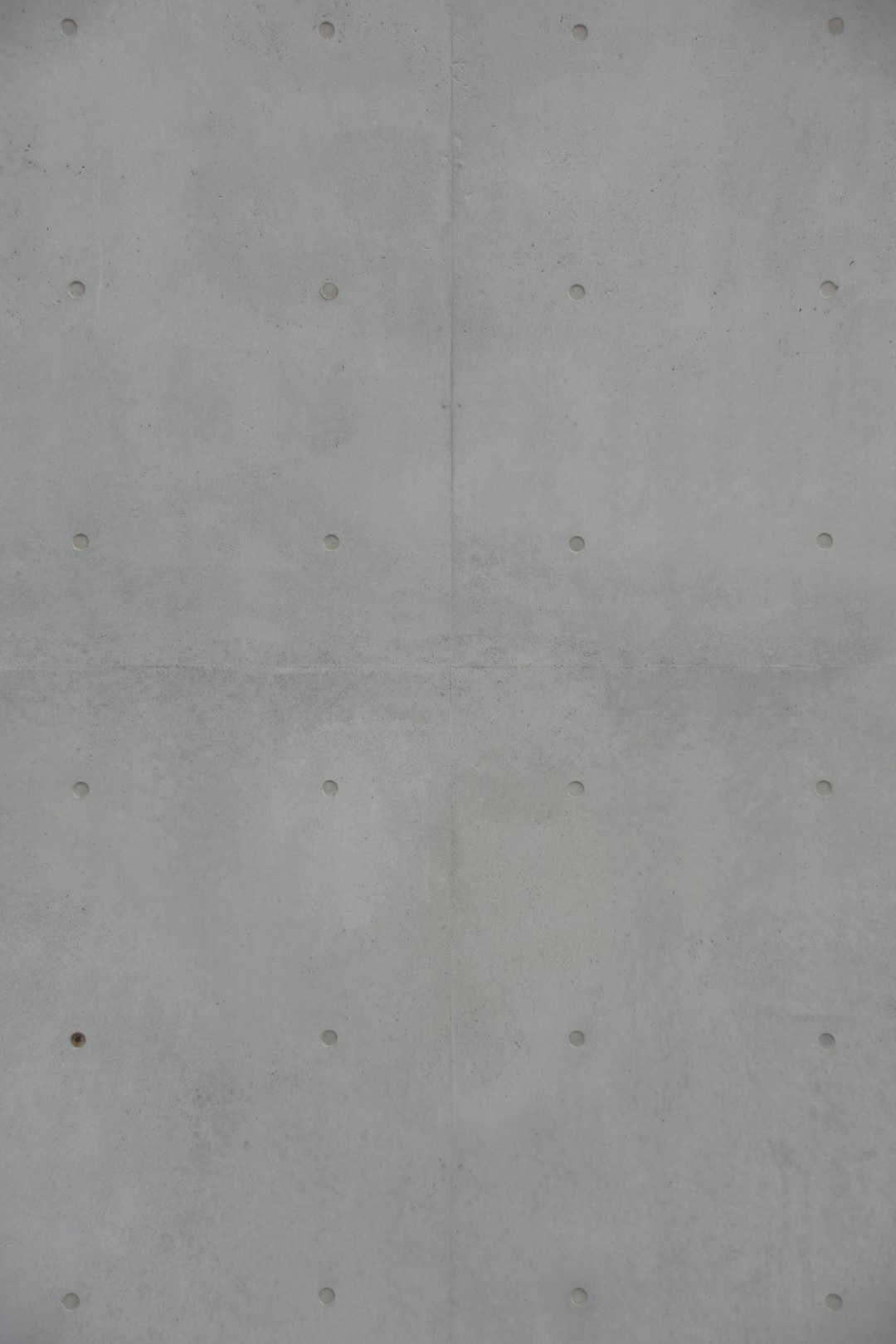

A waterproofing membrane is not a substitute for completing the concrete surface. Dust can reduce adhesion, while honeycombs, tie holes, ridges, and sharp fins can leave weak areas or puncture the material. Before application, the wall should be sound, clean, and reasonably even. Loose particles need to be removed, and visible voids or damaged sections should be repaired with materials approved for, or compatible with, the specified system. Repairs may also need time to cure or dry. A useful site habit is to wipe or brush a small test area and inspect the residue before the membrane crew starts, rather than discovering contamination after the excavation is closed.
The location of the barrier also affects the work sequence. Positive-side waterproofing places the barrier on the side first exposed to water pressure, which is normally the exterior face of a below-grade basement wall. Water is intercepted before it enters the concrete. Negative-side treatment is installed from the interior and may be considered where outside access is unavailable, but it faces different conditions because water may already have crossed part of the wall. An interior repair should not be described as equivalent to exterior prevention without considering the design, pressure direction, substrate, and product requirements. The crew needs to know which side is being protected before selecting details.
A disciplined installation starts with a measured inspection rather than a quick visual pass. Workers remove dust and laitance, check cracks and voids, grind or repair projections, and confirm that penetrations are ready for detailing. The specified foundation waterproofing membrane is then applied at the required coverage and by the stated method. Corners, the wall-to-footing junction, pipe penetrations, construction joints, and changes in direction deserve deliberate attention because they interrupt the broad, flat field of the wall. Liquid material can follow irregular shapes, but it will not compensate for missed areas, insufficient coverage, or careless treatment at transitions.
Joints deserve the same scrutiny as open wall areas. Sheet membranes may depend on laps, bonded overlaps, or tapes, while liquid systems need enough material to bridge a joint and remain continuous if the substrate moves within the limits allowed by the system. Hydrostatic pressure is the force of groundwater pressing against the wall. Capillary action is water movement through very small spaces in porous concrete or adjacent materials. These mechanisms are not identical, and a visible membrane does not automatically address every path. The installation details, sealants, waterstops, and joint treatments should be checked against the project drawings and the membrane manufacturer’s instructions.
Drainage reduces the demand placed on the waterproofing assembly. Footing drains, suitable drainage layers, finished grading, and properly directed surface water can help limit the amount of water that reaches the wall, subject to the design. Protection is also needed during backfill. A protection board or drainage composite may shield the membrane from stones, tools, and equipment where the specification calls for one. On a different job, the barrier looked sound until angular fill was dropped directly against it. The leak appeared later, and the membrane received the blame, although the damage likely occurred during placement. Backfill should be placed carefully, using material and methods suited to the installed system.
The last inspection must occur while the wall is still visible. A supervisor can compare the completed work with the drawings, product data, and any required coverage or thickness checks, then mark repairs directly on a site plan or inspection photograph. Pipe sleeves, form-tie locations, corners, footing joints, and the top termination deserve a second look. It is also worth checking for damage caused by ladders, reinforcing steel, drains, or other trades that worked nearby after application. A short pause to photograph each elevation and record outstanding repairs is a small process step that often prevents a later argument about whether an area was ever inspected.
Coordination continues beyond the membrane crew. The termination must work with the planned finished grade, flashing, sealants, footing drainage, and any connection to adjacent waterproofing. The project documents control dimensions and sequencing, while manufacturer instructions control preparation, application conditions, curing, and protection requirements. General information about below-grade membrane installation can provide useful context, but it should not replace those documents. Before the excavation is closed, the responsible supervisor should confirm that repairs are complete, protection is in place where specified, drainage paths remain clear, and later work will not cut or abrade the waterproofing.