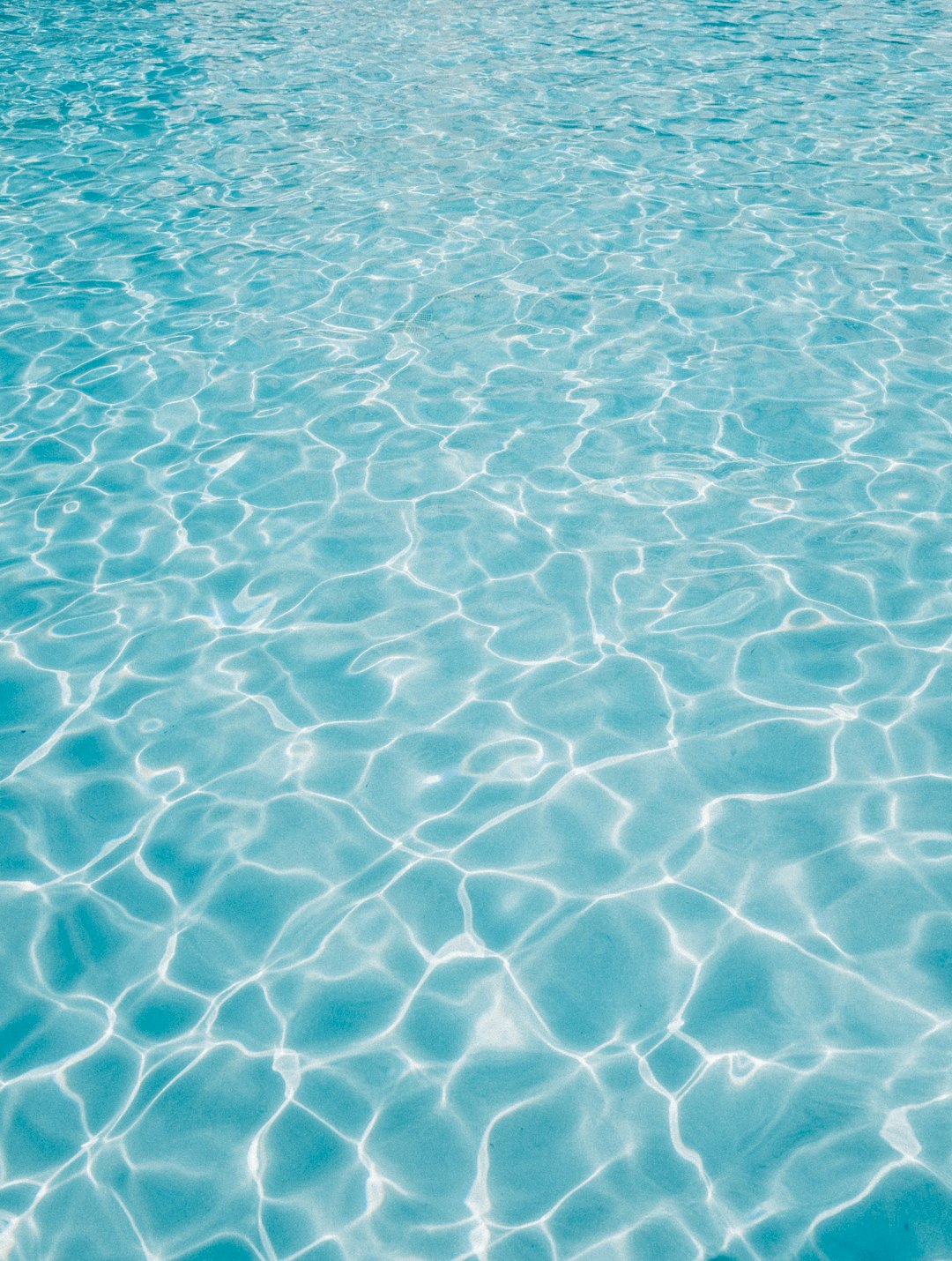

One reliable method involves applying liquid rubber membranes. These membranes form a watertight layer over concrete, wood, or other surfaces. Applied correctly, they handle water pressure well and stay flexible enough to absorb small shifts or cracks without breaking. Unlike some coatings, they won’t peel off easily under constant exposure to water, making them ideal for pools or fountains.
A common pitfall is poor surface prep. You need to clean off dirt, grease, and old coatings, then let the surface dry completely before applying the membrane. Trapped moisture can cause the membrane to fail or foster mold beneath it. Also, applying the product too thinly leaves weak spots prone to leaks. Using a roller or brush in multiple coats helps build up a strong barrier.
Calculating how much membrane you need avoids running out mid-job. Coverage varies by product but typically one pint covers around 10 to 15 square feet per coat. Many brands offer online calculators where you enter your pool’s dimensions. It’s smart to measure twice and buy a little extra to cover mistakes or thicker spots.
When it’s time to apply, work in small sections starting at one end of the pool. This keeps the membrane fresh and workable, ensuring even coverage without gaps. Follow manufacturer instructions for drying times between coats; rushing this leads to peeling or cracking later. A rough but clean surface grip the membrane better than a smooth one.
Pool owners who’ve used liquid membranes often mention how straightforward the process is, even for those with no prior experience. A common tip from DIYers is to keep tools handy and clean during application, dried product on brushes ruins future coats. If unsure about any step, plenty of guides and videos online can help clarify the process.
Beyond the membrane itself, having the right accessories makes a difference. Items like surface primers improve adhesion on difficult materials, while specialized rollers help apply even coats in hard-to-reach corners. Taking time to gather these beforehand avoids interruptions and improves the final waterproofing quality.
Proper waterproofing doesn’t just stop leaks; it extends your pool’s lifespan by protecting its structure from water damage. Skipping steps or rushing through application often causes problems that require expensive fixes later. For more details on effective methods and products, check out pool waterproofing resources online.
If you want advice on preparing your surfaces or selecting tools for a particular pool type, you can also visit pool maintenance tips for homeowners. Having practical guidance tailored to your setup helps avoid common mistakes and get better results.