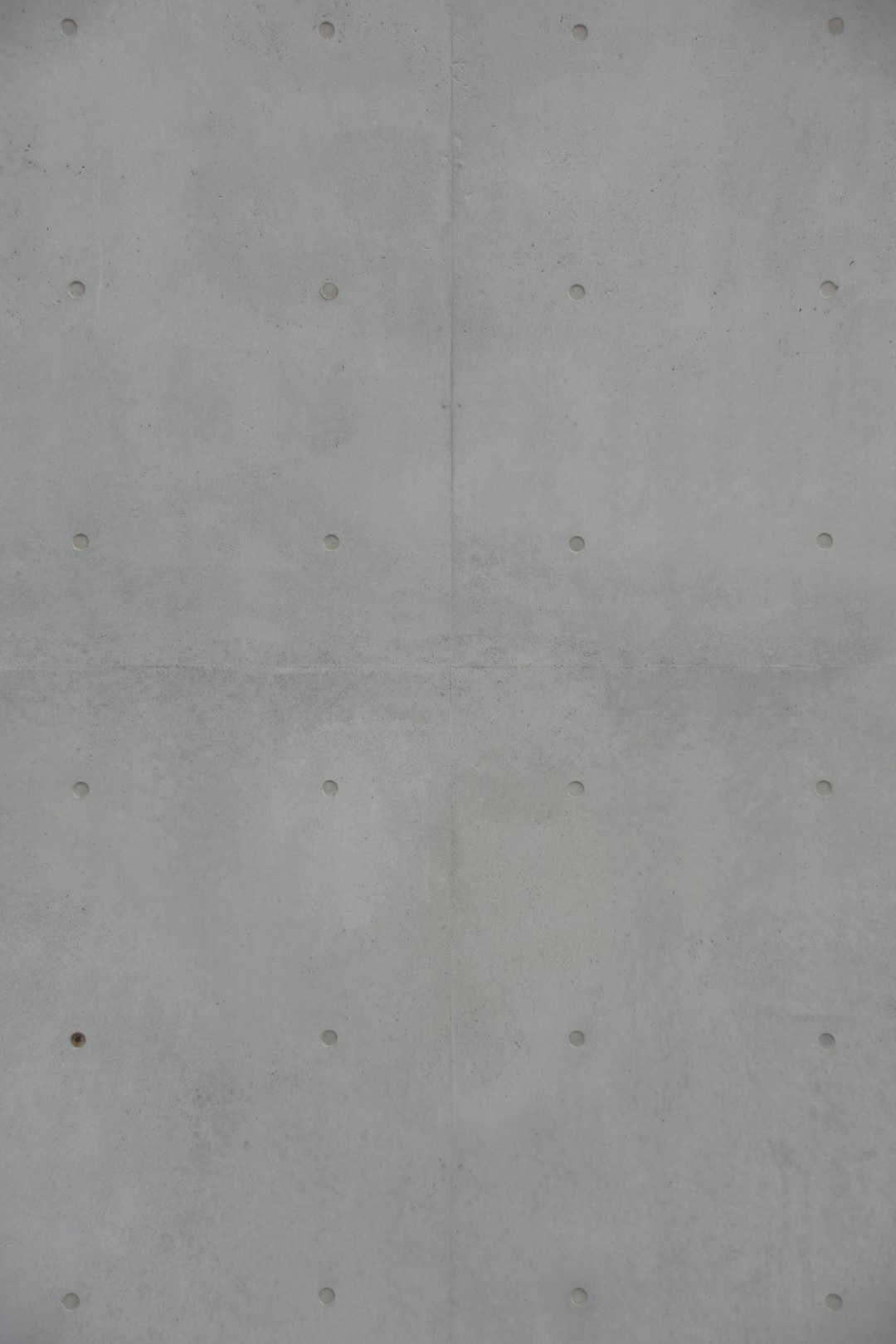

There’s a misconception that resurfacing is purely cosmetic. In reality, it addresses minor issues like small cracks before they worsen. Sealing these cracks stops water from seeping in, which can cause serious damage like spalling or freeze-thaw cracking over time. Repairing faults early with resurfacing can prevent costly repairs down the line. Contractors often advise checking surfaces annually to catch damage early, saving money and extending concrete life.
Acid washing is a common preparatory step before resurfacing concrete. This technique uses mild acids to strip away stains, oils, and dirt, creating a clean surface that promotes proper adhesion of the new layer. Skipping this step can lead to peeling or bubbling later, especially in outdoor areas exposed to harsh weather. Professional applicators know how to handle acids safely and ensure thorough rinsing to protect the base concrete.
Decorative overlays add a creative touch beyond basic resurfacing. Concrete can be polished for smooth indoor floors or stamped for textured outdoor patios and walkways. These options let business owners tailor their spaces to fit branding or aesthetic goals without installing new materials. Overlays also allow mixing colors and patterns, giving surfaces unique character that stands out from standard grey slabs.
Sealing is critical after resurfacing. It protects new concrete layers from moisture, chemicals, UV rays, and abrasion from foot or vehicle traffic. A quality sealant reduces staining and surface wear, which keeps the area looking good longer. Sealants need reapplication every few years depending on exposure levels. Many property managers keep maintenance logs noting sealant application dates to avoid guessing when service is due.
Consulting with experienced professionals helps clarify which resurfacing methods suit your property’s needs. They can assess damage severity, recommend treatment types, and explain maintenance requirements based on local climate and usage patterns. It’s common for misunderstandings about product warranties or project timelines to arise, so clear communication upfront prevents delays or unexpected expenses.
If you’re planning work on your concrete surfaces, check out concrete resurfacing hamilton for details on services available in your area.
Maintaining concrete doesn’t have to be complicated. Options like exterior decorative grinding and sealing or interior polishing offer practical ways to keep your space inviting. Regular care extends surface life and avoids costly replacements. For more information on practical maintenance advice, visit concrete surface maintenance tips.