
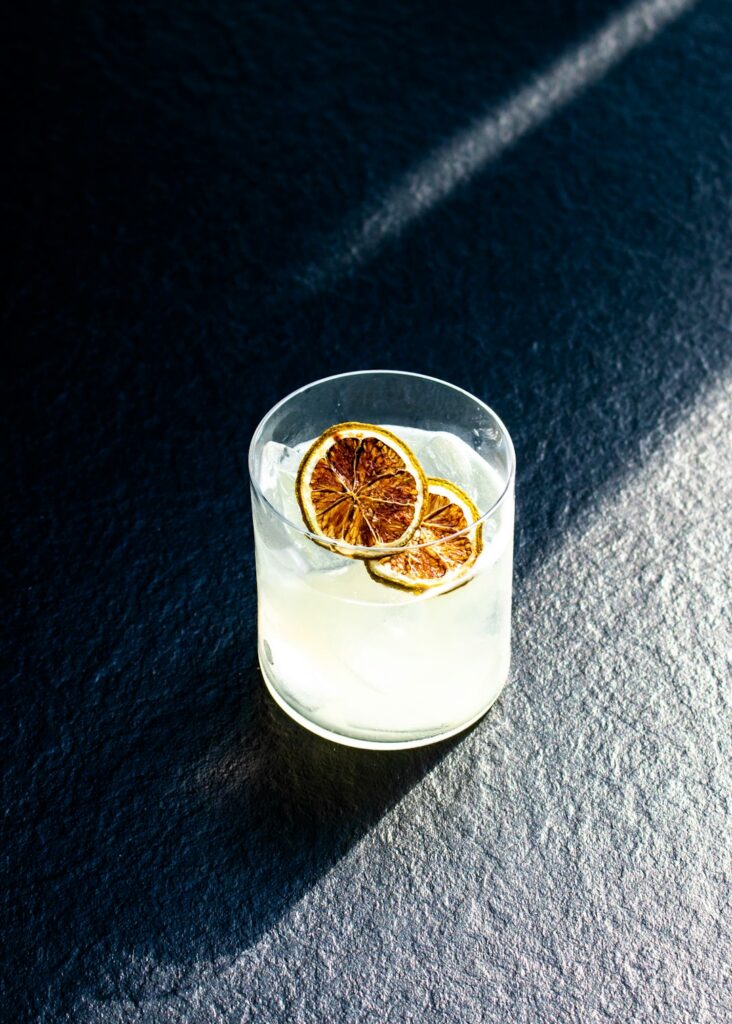
Choose Los Angeles Margaritas
You are meeting friends after work, and one person wants a tart drink, another wants something smooth, and a third wants to avoid an overly sweet glass. In Los Angeles, choosing among margarita spots is easier when you decide what matters before scanning the menu. Start with the setting: a lively Mexican restaurant suits a group meal, while a quieter bar may be better for comparing flavors. A useful starting point is this guide to the best margaritas in los angeles, then narrow your choice by spirit, sweetness, serving style, and food pairing rather than reputation alone. Check the tequila before choosing the flavor. Blanco tequila is clear and usually emphasizes fresh, peppery agave, while reposado tequila has rested in oak and may taste rounder, with hints of vanilla or spice. Añejo tequila spends longer aging and can be more whiskey-like, though its richer character is not always the best match for lime. Agave is the plant tequila comes from, and its cooked sweetness forms the drink’s base flavor. If you want a bright, classic margarita with tacos or ceviche, blanco is often the most direct choice. For sipping alongside grilled food, reposado may feel more substantial. Next, judge balance instead of asking only whether a margarita is sweet or strong. Balance means the lime’s acidity, the tequila’s heat, the orange liqueur’s sweetness, and any added syrup work together without one dominating. Acidity is the sharp, mouth-watering sensation supplied by citrus. A well-balanced drink can taste lively without making you squint, while too much syrup can hide the tequila and leave a heavy finish. Imagine ordering at lunch with spicy salsa: a crisp, citrus-forward margarita may refresh your palate. With a rich mole or smoky meat, a slightly fuller drink could stand up to the meal. The serving format also changes the experience. On the rocks means the drink is poured over ice, so it stays cold and gradually becomes more diluted as the ice melts. Frozen margaritas are blended with ice, creating a thicker texture and a slower, dessert-like pace. Dilution is the amount of water added when ice melts or a drink is shaken, and it softens alcohol while combining the ingredients. For a long patio conversation, a frozen version may be enjoyable, especially in warm weather. If you want to taste tequila and lime distinctly, choose a shaken margarita over ice. Pay attention to the rim, but treat it as a flavor choice rather than decoration. Salt heightens perceived sweetness and can make lime taste brighter, while a sugar rim moves the drink toward a softer, dessert-like profile. A half rim lets you alternate between seasoned and unrimmed sips, which is useful when you are unsure. You can also ask whether the glass is served with a heavy coating that may fall into the drink. When comparing menus, look for descriptions that explain the rim, fruit, chili, or herbs. Clear wording gives you a better sense of the drink’s intended balance. Price should be considered alongside size, ingredients, and occasion. A simple house margarita may suit a casual dinner, while a premium version can make sense when the menu identifies the tequila and uses fresh citrus. Fresh lime juice generally tastes sharper and less candy-like than a prepared sweet-and-sour mix, though menus do not always provide that detail. If you are ordering for a birthday group, ask whether pitchers are available and how many servings they contain before comparing prices. For a date or a tasting-focused visit, individual pours make it easier to notice differences in texture and finish. Finally, match the provider to your priorities and ask one precise question before ordering. Try, “Is this margarita tart, sweet, or smoky?” or ask which tequila is used in the house recipe. Reading margarita tasting notes can help you describe what you want, but your own meal and pace matter more than a ranking. Choose a restaurant with the right atmosphere, a menu that explains its ingredients, and staff willing to clarify substitutions. That approach gives you a better chance of finding a margarita you genuinely enjoy, whether it is classic, frozen, spicy, or fruit-forward.