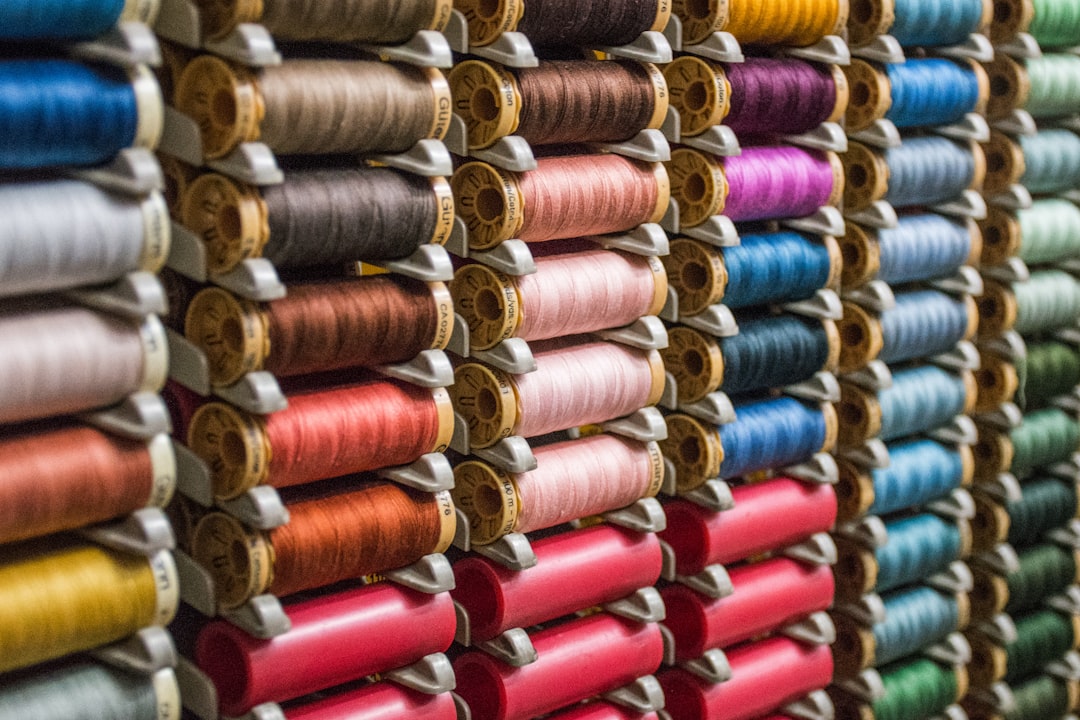

Wet filtration separates solids from liquids using specific materials and techniques. Key components include process belts and filter cloths, which trap contaminants during filtering. These parts wear down over time, causing blockages or leaks that reduce efficiency. Businesses often overlook the importance of regular checks and replacements, which leads to higher costs in the long run. Keeping a maintenance log with dates of inspections and changes can prevent surprises.
Take a food processing plant that uses wet filtration to purify water for production. If filters aren’t swapped out when clogged, the entire process slows, risking product quality and safety standards. A routine inspection checklist, conducted at least weekly, helps catch issues early. Staff often note filter discoloration or slower flow rates as warning signs before serious problems arise.
Custom-built filtration systems matter. Off-the-shelf units rarely fit every industry’s demands. For example, mining operations deal with thick slurry needing heavy-duty dewatering, while electronics manufacturers require ultra-fine filtration to avoid contamination. Tailoring systems to these needs ensures better results and less waste. It’s common for teams to review process requirements with engineers before ordering equipment to get the right specs.
Material choice affects durability and performance. Process belts usually come from synthetic fibers or woven fabrics chosen for chemical resistance and strength. Using incompatible materials leads to faster breakdown and contamination risks. Monitoring flow rates daily can reveal early signs of belt damage or clogging. Operators often keep spare belts on hand to swap out without delaying production.
Regulatory demands on waste treatment and environmental impact are tightening. Reliable wet filtration systems help companies meet these rules while maintaining productivity. Investing in solutions backed by both practical experience and ongoing research makes sense. Collaborating with consultants who understand specific industrial challenges ensures that no detail is missed.
For businesses interested in exploring options in industrial water filtration, it’s important to work with suppliers who provide advice tailored to industry-specific hurdles. Such partnerships encourage innovation and practical problem-solving across operations.
Understanding how wet filtration functions in real settings can reduce risks and boost output. If you want solid guidance, consider contacting professionals versed in these systems, they can offer insights that help you make smarter choices.
Finally, finding reliable information and support is easier when you connect with providers offering water treatment equipment advice. These resources are valuable for staying updated on best practices and equipment options.