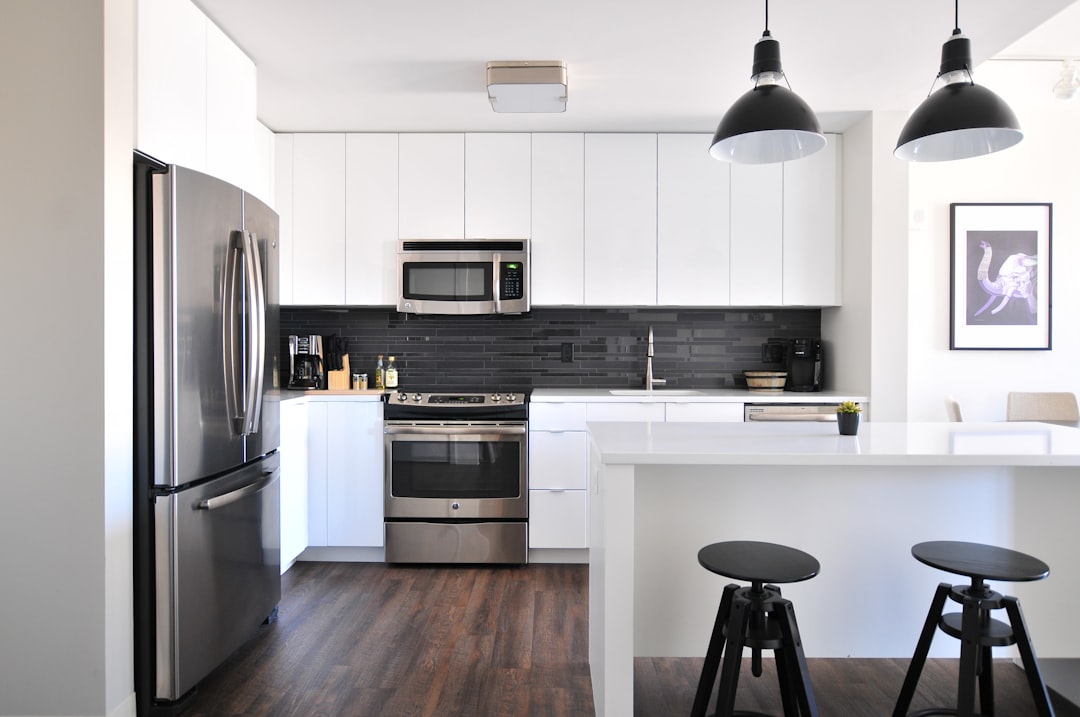

A frequent mistake during cabinet refacing is underestimating material costs. Simply swapping doors isn’t enough; the durability of your new materials matters. Cheap laminates might seem budget-friendly but often chip or peel within a few years. Solid wood or high-quality veneers last longer but come at a higher price. Reviewing samples and warranties before committing can prevent surprises down the line. Also, don’t forget that hinges and drawer slides may need upgrading to match your new doors.
Style matters just as much as cost. It’s easy to get carried away by popular trends that clash with your home’s character. For example, a sleek modern door style might look odd in a farmhouse kitchen. Instead, choose colors and finishes that complement your home’s architecture and existing flooring or countertops. Classic white or warm wood tones usually age well and blend into many settings.
Hardware selection is often overlooked but can make or break the kitchen’s final look. Small, overly ornate knobs might not suit simple cabinet styles, while large handles can overwhelm delicate designs. Matching hardware shape and finish to cabinet style creates harmony, flat bar pulls suit minimalist cabinets, while rounded knobs work with traditional styles. Before ordering, test samples on cabinet doors at home to check feel and appearance.
Timing affects budget more than most people realize. If you want the job done quickly for an event or because you’re selling soon, contractors may charge extra for rush work. Communication is key: set clear deadlines with your team early and ask about potential fees upfront. Planning your remodel during less busy seasons can also reduce costs and avoid rushed decisions.
Cabinet refacing isn’t isolated from the rest of your kitchen. Changing cabinet colors impacts how countertops, backsplashes, and appliances look together. For instance, pairing light cabinets with dark granite counters can create stark contrasts that don’t suit every style. Talking through these choices with a professional who understands kitchen remodel price helps balance aesthetics and functionality. They can point out subtle color clashes or suggest finishes that age gracefully.
Small additions can greatly improve daily kitchen use after refacing. Pull-out shelves, lazy Susans, and built-in dividers make storage more accessible and organized. These extras often cost less than you expect but add real convenience. A practical habit is to take measurements inside cabinets before ordering accessories to ensure a proper fit and avoid returns.
Before starting, inspect your current cabinet boxes for damage or warping. Refacing won’t fix structural problems, so repairing or replacing faulty boxes first avoids wasted effort. Also, clear communication about expectations with your contractor prevents misunderstandings about timelines or finishes. Keep a folder of design choices, material samples, and invoices handy during the process to streamline decision-making.
If you’re ready to update your kitchen without the cost of a full remodel, cabinet refacing is worth considering. Reach out for personalized advice and detailed planning help to make sure your project fits your needs and budget. For more information on services, see cabinet refacing guidance.