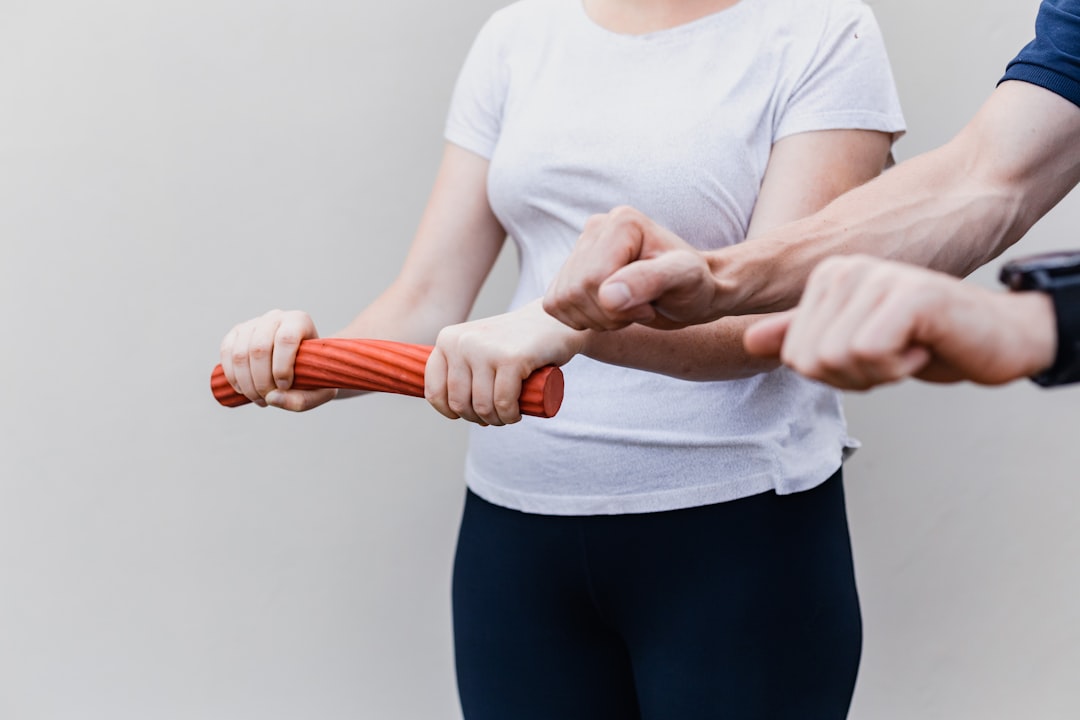

A first appointment commonly starts with questions about when the problem began, what makes it better or worse, previous injuries, medication and usual activities. The physical assessment may consider movement, strength, balance, joint mobility and sensitivity around the affected area. These findings are not a diagnosis on their own, but they can support a working explanation that is tested over time. For example, pain on the outside of an elbow could involve an irritated tendon, while grip habits, shoulder control or a sudden increase in lifting may also contribute. This approach is more useful than applying the same routine to every person.
Pain does not always equal damage, and complete rest is not automatically the quickest option. Load means the stress placed on a tissue or body system through walking, lifting, running, sitting or exercise. If load rises faster than capacity, symptoms may flare. If activity falls too low for too long, strength and confidence can decline. A practical plan may adjust the amount, frequency or difficulty of an activity. In a hypothetical example, someone with an irritated Achilles tendon might reduce sprinting temporarily while continuing carefully selected calf exercises, rather than stopping all movement and waiting for the issue to disappear.
Exercise is often prescribed to build capacity, not because discomfort should be ignored. Progressive loading means increasing resistance, repetitions, range, speed or complexity gradually as the body adapts. The suitable dose depends on the injury, sleep, stress, training history and response over the following day. Hands-on treatment, including joint or soft-tissue techniques, may offer short-term relief or make movement easier, but it generally has a different role from exercise. The trade-off is clear: passive treatment can feel helpful quickly, while an active plan is intended to improve strength, control and confidence over time.
Consider a hypothetical recreational netball player returning to jumping after an ankle sprain who still lands cautiously. Assessment might examine calf strength, ankle movement and proprioception, which is the body’s sense of joint position without looking. Balance drills, controlled landing practice and a staged return to running may be more sensible than testing a full match too early. Progress can be judged by useful tasks, such as brisk walking, changing direction or completing training with manageable symptoms, rather than by one good day. A sceptical approach asks what has improved and why the next step is appropriate.
Physiotherapy can also be relevant during pregnancy, after surgery, for children’s movement concerns or when returning to activity after childbirth. Women’s health care may involve the pelvic floor muscles, which support the bladder, bowel and reproductive organs, along with breathing, abdominal control and painful movement. Paediatric care needs age-appropriate explanations and cooperation rather than simply applying adult exercises. Following an operation, the surgeon’s restrictions take priority, while rehabilitation may later address swelling, range of motion, strength and confidence. Ask whether the clinician regularly manages the kind of problem you are bringing.
Before booking, write down your main limitation, such as climbing stairs, sleeping, lifting at work or completing training. Ask what the assessment will cover, what you can safely do now, how progress will be measured and when the plan will be reviewed. A clear clinician should explain uncertainty and change the approach if the findings do not fit. Seek prompt medical advice for severe or rapidly worsening symptoms, major trauma, new significant weakness, loss of bladder or bowel control, or feeling seriously unwell. For general rehabilitation and movement concerns, local physiotherapy support may form part of a practical, individually tailored plan.