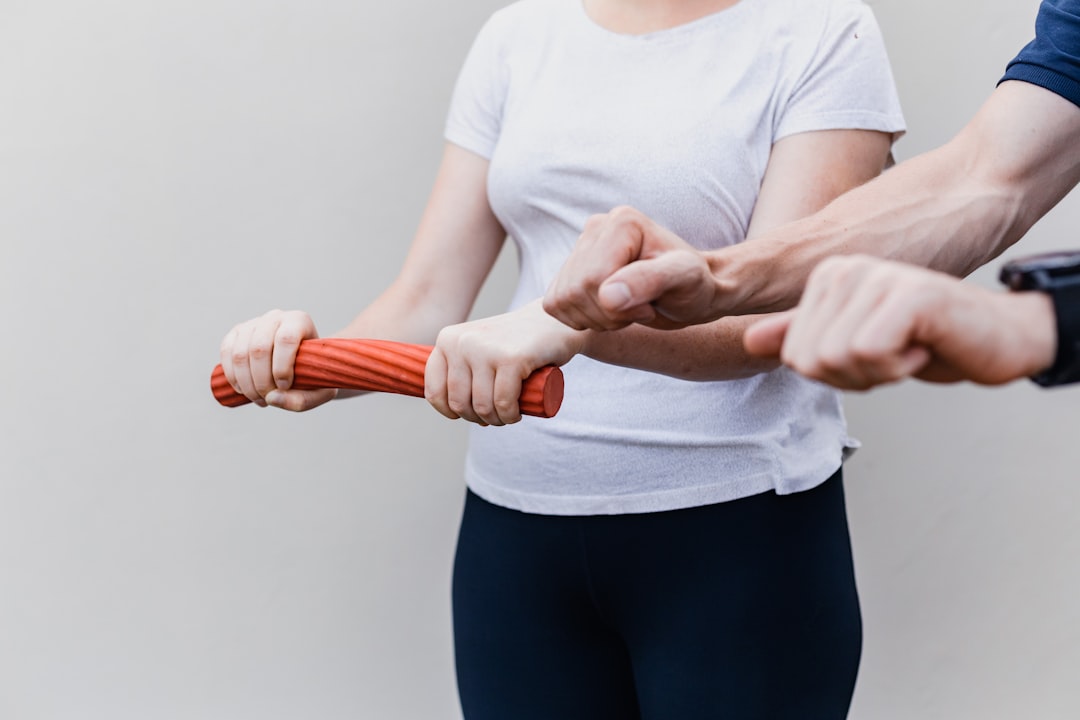

The first stage after an ACL injury focuses on controlling swelling and restoring movement. Applying ice packs regularly and performing gentle stretches help reduce pain and stiffness. Early on, working with a physiotherapist is important; they’ll design exercises specific to the demands of your sport. For example, rehab for a rugby player will differ from that of a dancer, since each sport stresses the knee differently. It’s common for patients to underestimate the importance of gradual progress here, which can slow recovery or cause setbacks.
As healing progresses, the program shifts toward strengthening muscles around the knee. Strong quadriceps, hamstrings, and calf muscles take pressure off the ACL and support joint stability. Exercises like leg presses, hamstring curls, and step-ups are often included. Functional training that mimics sport-specific movements also becomes key. Balance drills, such as standing on one leg or using wobble boards, help retrain proprioception, the body’s sense of position, which is often impaired after injury.
Recovery time varies widely. Some return to full activity around six months post-injury, while others need a year or more. Progress isn’t always linear. Regular check-ins with a physiotherapist allow adjustments based on swelling, strength gains, and patient feedback. A common pitfall is rushing back too soon, which can lead to re-injury or chronic instability. Keeping detailed notes of exercises performed and symptoms experienced during sessions can help avoid miscommunication between patient and therapist.
Mental hurdles often surface during rehab. Fear of re-injury can limit how much effort you put into training or how confidently you move when back on the field. This psychological aspect deserves attention. Techniques like visualization, goal setting, and working with a sports psychologist can build mental resilience. Ignoring these factors might leave you physically healed but mentally hesitant, impacting performance long-term.
Preventing future ACL injuries should start before you even return to full activity. Warm-up routines that include dynamic stretches targeting hips, hamstrings, and calves prepare muscles and joints for stress. Emphasising proper technique during training helps avoid awkward knee positions linked to injury risk. Local resources, including tailored physiotherapy sessions like those offered by acl physio sydney, can guide these preventative measures effectively.
Clear communication with your healthcare providers remains vital throughout rehab and beyond. They’ll advise when it’s safe to resume high-impact sports and suggest ongoing exercises to maintain knee health. Physiotherapists often recommend continued strength and balance work even after returning to sport to reduce the chance of recurrence. A simple habit like keeping a rehab diary or logging symptoms daily can improve tracking and ensure concerns are addressed promptly.
Every ACL rehab journey is different, shaped by injury severity, personal goals, and lifestyle. Celebrate small wins, like completing pain-free exercises or regaining confidence in practice sessions, as these moments build toward full recovery. Understanding what each phase requires helps you stay committed and realistic about progress. With patience and focused effort, you can return stronger and more aware of how to protect your knee long-term. For additional guidance on maintaining knee health after injury, explore resources at sports injury recovery support.