

October 25, 2026

seven construction workers standing on white field
Construction

Concrete Cancer Repair Sydney Guide

You notice rusty stains beneath a balcony, flakes of concrete on the driveway, or a small bulge along a beam and wonder whether it can wait. In Sydney, these signs are often described as concrete cancer, although the phrase is not a medical diagnosis. It usually refers to damage around steel reinforcement inside reinforced concrete. The right response depends on the cause, the depth of the damage, the building’s exposure and the consequences of leaving it untreated. A careful decision starts with an inspection, not a quick coat of render that hides the visible surface while deterioration continues underneath. When searching for concrete cancer repair sydney, look for a provider that can investigate before recommending a repair method. Ask whether the inspection will include sounding the concrete, checking exposed steel and recording cracks, staining and loose areas. Sounding means gently tapping the surface to detect hollow sections that may have separated from the underlying concrete. This delamination can extend beyond the visibly damaged patch. For example, a neat-looking 300 millimetre stain beneath a balcony may sit above a wider weakened zone, so the repair allowance should not be based on appearance alone. The underlying cause also guides the solution. Carbonation is a chemical change in concrete that reduces its natural protection around steel. Once that protection is lost, moisture and oxygen can trigger corrosion. Chloride ingress is another route, particularly where salt-laden coastal air, contaminated water or unsuitable materials reach the reinforcement. Corrosion produces rust that occupies more space than the original steel, creating internal pressure. That pressure causes cracking, spalling and eventually pieces of concrete breaking away. A sensible provider should explain which mechanism appears likely and whether further testing is needed rather than treating every stain as the same problem. Consider a unit block with rust marks above a common walkway. The immediate concern may be falling material, but the longer decision includes safe access, protection for residents and inspection of neighbouring sections. A repair team might remove unsound concrete, clean or assess the steel, apply a compatible protective treatment where appropriate, and reinstate the profile with repair mortar. Concrete cover means the thickness between the steel and the outside face; restoring suitable cover helps shield reinforcement again. The exact specification should follow the condition assessment and the building’s environment, not a standard patch applied to every project. Access is worth discussing before comparing quotations. A high facade, narrow courtyard or sloping roof may require rope access, a platform, scaffolding or another controlled method. Rope access can reduce the need for bulky ground equipment in some locations, but it is not automatically suitable for every task or site. Ask how workers will reach each repair area, manage falling debris, protect windows and keep people below clear. A quote that appears cheaper may exclude difficult sections, traffic management, preparation or making good surrounding finishes. Request a written scope that separates investigation, access, repair and final reinstatement. For a second example, imagine a detached home where one lintel has cracking and a small patch of spalled concrete. A localised repair may be reasonable if inspection confirms that damage is limited, the steel remains suitable and water entry is controlled. If cracks continue along several openings, however, the visible patch may be only one part of a broader moisture problem. Ask whether failed sealants, leaking balconies, blocked drainage or inadequate falls are contributing. Repairing the concrete without addressing the water path can leave the reinforcement vulnerable and lead to another cycle of cracking. Choose a provider by evidence and communication rather than by the shortest description or lowest initial price. Check that the proposal identifies damaged locations, explains preparation, states what is excluded and describes how the finished surface will be matched. For larger or shared buildings, ask whether an engineer or other suitably qualified professional should define the repair scope, particularly where structural elements may be involved. You can also review the approach of building access specialists when difficult-height work is part of the project. Good maintenance records, photographs and a clear schedule make future inspections easier and help owners decide when action is genuinely needed.

A clay stained hand of a potter engaging in a craft work of pottery or molding
IT

Bentonite Clay Food Safety

You are standing in a store with a jar labeled food grade bentonite clay, wondering whether it belongs in a drink, a face mask, or neither. Start by reading the entire label rather than relying on the word food grade alone. Bentonite is a naturally occurring clay, often rich in the mineral montmorillonite, whose fine particles can hold water and attract certain charged substances. That chemistry explains why people use it in household and personal-care routines, but it does not prove that a product is suitable for eating. The intended use, ingredient list, testing information, and directions all matter. Food grade generally describes the manufacturer’s intended quality category, not a guarantee that every person can safely ingest the clay. Clay can contain naturally occurring metals or other contaminants, and quality varies with the source and processing. Look for a complete ingredient statement, a lot or batch identifier, storage directions, and clear instructions for oral use if ingestion is actually intended. Avoid loose powders with vague labeling or dramatic detox promises. If you are comparing products, this guide to bentonite clay food grade can provide background, but the package and a qualified professional should guide your decision. The term adsorption is easy to confuse with absorption. Absorption means a substance moves into another material, like water entering a sponge. Adsorption means molecules or ions stick to a surface, and bentonite has a large surface area because its particles are extremely small. Another relevant concept is cation exchange: the clay’s structure can trade certain positively charged ions with substances in its surroundings. These properties may explain why bentonite is used in filtration and topical products. They do not establish that it removes toxins from the human body or treats a medical condition. Consider a practical scenario: someone mixes a spoonful into juice because a social media post calls it a daily cleanse. The powder may thicken quickly, making the drink difficult to swallow, and taking it near medicines could affect how those medicines move through the digestive tract. Water intake, dosage, timing, and personal health history all matter. A person who is pregnant, nursing, managing kidney or digestive problems, or taking prescription medicine should ask a clinician or pharmacist before ingesting clay. Children should not be given it casually, even when the label sounds reassuring. External use raises different questions. A small patch test can help identify irritation before applying a clay paste to a larger area, although it cannot predict every reaction. Keep the powder away from the eyes and avoid breathing airborne dust while measuring it. For a simple mask, mix a small amount with water in a clean, nonreactive container, apply it briefly, and rinse if burning, swelling, or persistent redness appears. Do not apply it to deep wounds or assume that a natural ingredient is automatically gentle. Skin condition, concentration, and contact time can change the result. If you decide that an oral product is appropriate after professional advice, follow its label rather than creating a stronger mixture. Use the supplied serving guidance, measure carefully, and keep the clay separate from medicines and supplements unless a healthcare professional approves the timing. Stop if you develop constipation, abdominal discomfort, vomiting, rash, or breathing symptoms, and seek medical help for severe or continuing reactions. For broader clay wellness information, treat general educational material as a starting point, not a substitute for individualized medical advice. A sensible buying decision therefore begins with purpose. Choose a clearly labeled topical product for a mask, or investigate oral suitability only when the packaging specifically supports that use and independent quality information is available. Store the sealed container in a dry place, use clean utensils, and prevent moisture from entering the powder. Bentonite can be useful in specific nonmedical applications because of its water-holding and surface-binding behavior, yet those features are not proof of detoxification. Careful labeling, restrained claims, and professional guidance are more reliable than a promise that one clay works for everyone.

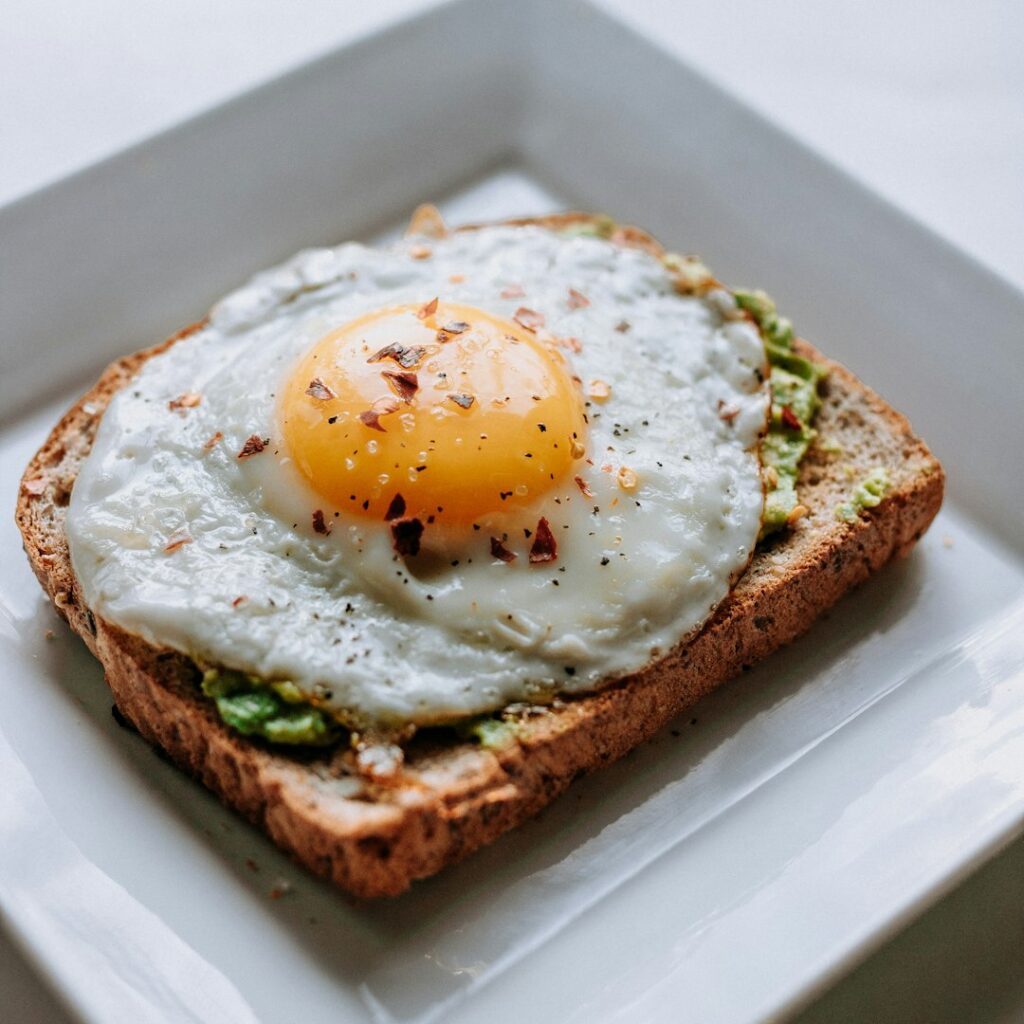
bread with sunny side-up egg served on white ceramic plate
Food

Breakfast Murray Hill, Made Simple

Breakfast in Murray Hill is easiest to judge by the morning you actually have, not by how attractive a menu sounds. A commuter with 45 minutes needs predictable timing, accessible seating, and food that can be ordered without much deliberation. Someone meeting a colleague may care more about conversation and a comfortable pace. A restaurant that serves breakfast through dinner can suit several plans, but broad hours do not promise an immediate table during a busy period. Check current opening hours before leaving, especially on weekends or holidays, and allow a little room for delays. First decide whether you need fuel, coffee, or a place to talk. A light bite and a quick drink may be sensible before an appointment, while a fuller breakfast fits a slower start. Specialty coffee can involve more attention to preparation than standard batch coffee, although that may mean it takes longer when the room is busy. If timing matters, ask whether the drink can arrive while the kitchen prepares the meal. That simple question clarifies expectations. It also prevents a casual breakfast from quietly becoming the reason you miss a train, meeting, or scheduled call. Menu structure affects both cost and speed. An a la carte menu lets each diner choose a suitable portion and skip unwanted extras, but separate choices can make ordering and bill splitting less clear. A set meal, when available, simplifies the decision by grouping several components. Consider a hypothetical meeting between two coworkers: one wants a substantial breakfast, while the other only wants coffee and a small item. Flexible ordering keeps either person from paying for food they will not eat. For a short meeting, clear choices may matter more than an unusually long menu. Location also deserves a practical test. Murray Hill can work for residents, office workers, and visitors moving through Midtown, but convenience depends on the route each person is taking. Confirm the address and choose a meeting point that is easy to identify. A waterfront setting can make breakfast feel more relaxed than a tightly packed counter, which is useful when conversation matters. The same atmosphere may encourage a longer visit, though, so it is less suitable when someone must leave quickly. a murray hill restaurant should be judged against the day’s schedule, not just its setting. Do not assume that a restaurant being open means every breakfast option is available. Dining room hours describe when guests may enter, while kitchen hours describe when food orders are accepted, and those schedules can differ. Imagine someone finishing an early shift and arriving near the end of morning service. They may find the doors open but have fewer breakfast choices than expected. Checking the current hours and asking about kitchen service removes that uncertainty. It is also worth confirming holiday changes rather than relying on a listing saved from a previous visit. The drinks offered can shape the visit without deciding its quality. Coffee is a natural fit for an early meeting, while cocktails and wine belong more naturally to later plans. A restaurant that moves from breakfast to dinner may therefore work for a group whose schedule changes during the day. That versatility does not guarantee speed. A broad beverage selection can take time to review, and a busy bar may affect service pace. For a rushed breakfast, choose the drink early and keep attention on the meal instead of treating a weekday morning like an extended evening outing. Before leaving, match the plan to the available time. The breakfast murray hill option may suit someone who wants coffee, food, and the possibility of lingering, but current hours should be confirmed and extra time allowed during busy periods. For a business meeting, agree beforehand on whether conversation, a full meal, or a quick exit matters most. For a solo weekday stop, a simple order is often easier to manage. These small choices provide a more reliable basis for breakfast than a polished description or an oversized menu.

Scroll to Top