
February 28, 2026

brass uplight chandelier turned on in room
Lighting Design

Choosing Custom Crystal Chandeliers

Step into a large entrance hall and the first thing your eyes catch is a crystal chandelier, tailored just for the space. For business owners running hotels, restaurants, or event halls, lighting isn’t just about visibility; it defines the room’s character. Custom crystal chandeliers do more than light up a room, they bring sophistication and style that off-the-shelf options can’t match. However, selecting the right design and supplier can be confusing without clear pointers. Start by examining the room where the chandelier will hang. Consider ceiling height, floor area, and existing decor. A grand ballroom with soaring ceilings calls for a substantial chandelier that fills the space without overwhelming it. By contrast, a cozy dining nook benefits from a smaller, detailed fixture. It’s not uncommon for clients to forget to measure ceiling clearance properly, leading to fixtures that hang too low or feel cramped. Double-checking these dimensions avoids costly mistakes. The choice of crystals affects both appearance and light quality. Swarovski crystals are famous for their exceptional clarity and sparkle due to their high refractive index. They create vibrant light play but come at a premium. More budget-friendly options like leaded glass or K9 crystals still look impressive and offer good durability. It’s worth requesting sample pieces from suppliers to compare how different crystals catch the light under your room’s specific lighting conditions. Customization extends beyond the crystal type. Most manufacturers let you pick finishes, polished chrome, antique brass, or matte black, and the number of arms or tiers. You can also select bulb types; for example, warm LED bulbs create a welcoming glow suitable for restaurants, while cooler tones work well in galleries to bring out artwork colors accurately. Small details matter here: choosing dimmable bulbs gives you control over ambiance throughout the day. Working with a seasoned lighting designer can save time and stress. They understand how styles interact with architecture and can suggest designs that enhance existing features like crown molding or exposed beams. Some providers even offer 3D renderings of how your chandelier will look installed, a helpful tool for visualising scale and style before committing. Don’t underestimate the value of this insight; it often prevents multiple revisions later on. For ideas, browse collections of custom made crystal chandeliers. Seeing completed projects helps clarify your taste and informs discussions with designers or suppliers. Pay attention to details like mounting hardware and chain length in these examples, they’re frequently overlooked until installation day. Installation itself can be tricky, especially with large or heavy chandeliers. Professional help is usually necessary to ensure safety and proper electrical connections. Many clients miss that some fixtures require reinforced ceiling mounts or additional support structures. After installation, regular cleaning is vital; dust and oil from hands dull the crystals’ shine over time. Use gentle, non-abrasive cleaners and avoid frequent contact to keep your chandelier sparkling. Selecting a custom chandelier involves practical choices about design, materials, and installation paired with professional advice. Engaging with knowledgeable providers who understand bespoke lighting ensures you get a piece that not only fits your space but elevates it. For further details on styles and options, visit bespoke lighting services.


silhouette photography of woman doing yoga
Health

Enhance Your Physical Health with Hypnotherapy

Quitting smoking is a tough battle, often made harder by the constant pull of cravings and the stress of withdrawal. Hypnotherapy offers a practical way to tackle these challenges by targeting the subconscious triggers behind nicotine addiction. Through sessions focused on deep relaxation and concentration, clients can reshape their mental responses to smoking cues. For example, a common technique involves visualising oneself calmly facing situations that usually spark cravings, helping reduce their intensity over time. Practitioners also emphasize the importance of consistent practice between sessions to reinforce new thought patterns, which can improve success rates. Weight management often goes beyond diet and exercise; it’s about changing how you think about food. Emotional eating is a frequent barrier, people reach for snacks not out of hunger but stress or boredom. Hypnosis helps by uncovering these hidden habits and teaching healthier responses. A typical case might be someone who learns to recognise their emotional triggers and replaces sugary snacks with mindful breathing or short walks. This approach can create sustainable change, as it addresses the root cause instead of just symptoms. Therapists usually recommend journaling food thoughts to track progress and identify patterns that need adjusting. Sugar cravings can sabotage health goals, contributing to weight gain and conditions like diabetes. Hypnotherapy assists by helping individuals identify specific situations or feelings that prompt sugar intake. Techniques include guided imagery to picture oneself enjoying alternatives like fruit or nuts, which helps build positive associations. Over multiple sessions, this mental training can reduce dependency on sugar. Additionally, clients often receive practical advice on managing grocery shopping to avoid impulse buys and on meal prepping to maintain balanced nutrition. Managing cancer-related pain is an area where hypnotherapy complements medical treatment. Chronic pain from cancer or its therapies can be exhausting and hard to control with medication alone. Hypnosis encourages relaxation and shifts focus away from pain sensations. Patients learn self-hypnosis methods that they can use during chemotherapy or at home to lessen discomfort. This practice requires patience; sessions are tailored to individual needs, sometimes including breathing exercises or visualisations of warmth and light easing the pain. Medical teams often coordinate with hypnotherapists to ensure a safe, integrated approach. Eating disorders demand careful handling, as they involve complex emotional and physical factors. Hypnotherapy offers a supportive space to confront negative beliefs about food and body image gently. Sessions aim to rebuild a healthier relationship with eating by addressing distorted thoughts and encouraging self-compassion. For example, a hypnotherapist might guide a client through visualising meals without anxiety or guilt, gradually easing restrictive or binge behaviors. Progress is usually slow and requires collaboration with other health professionals, with ongoing adjustments based on the client’s comfort and needs. Our practice tailors care to each person’s unique situation. We understand that no two journeys are alike, so we focus on personalised strategies rather than one-size-fits-all solutions. Scheduling is flexible to fit busy lives, which helps clients keep up with sessions consistently, a key factor in effective hypnotherapy. We also provide clear guidance on what to expect during appointments, reducing common worries like feeling out of control or skeptical about hypnosis itself. If you want to explore how hypnotherapy could support quitting smoking or improving physical health, consider scheduling a session today. Visit hypnotherapy perth smoking for more details on our physical health services. You can also find general information about our practice at . Taking time to understand your mind’s influence over your body can be the first step toward lasting change. hypnotherapy services in perth

woman standing near body of water
IT

Reiki Courses For Wellness Seekers

Walking into a Reiki course in Melbourne or Daylesford, you quickly notice the calm atmosphere. The room is quiet, the lighting soft, and distractions fade. Jeremy O’Carroll, an Amazon best-selling author and seasoned Reiki practitioner, welcomes each participant personally. He’s direct and passionate about Reiki, creating a space where people can focus on learning and personal healing. Classes are small, often no more than eight students, so everyone gets individual guidance. It’s common for participants to leave feeling more confident, with practical skills they can use on themselves or others. Reiki training isn’t just theory; it’s about working with energy in a practical way. The courses cover Reiki’s origins but focus heavily on hands-on techniques to channel universal life force energy. Students practice specific hand positions designed to encourage relaxation and balance energy fields. They also learn how to sense energy shifts, which can take some patience and practice to develop. Many teachers suggest practicing daily self-treatment for at least two weeks to really notice subtle changes. Melbourne courses cater to all levels. Beginners start with Reiki Level 1, which introduces basic concepts and skills essential for self-healing and helping friends or family. This includes learning about chakras and basic energy flow in the body. One practical tip instructors often share is how to avoid overworking your hands during treatments by using gentle pressure rather than force. Students frequently report that this first level opens their eyes to how much tension they unknowingly carry. At Reiki Level 2, the focus shifts toward refining those skills. Students learn about symbols that help focus energy and techniques for distance healing, allowing them to send Reiki to someone not physically present. Mastering this requires practicing intuitive sensing and trusting your gut feelings, something many find challenging at first. Regular practice sessions with peers help build confidence and deepen understanding of energy dynamics. The Master Level prepares practitioners who want to teach or integrate Reiki into other health practices like massage therapy or naturopathy. This level covers advanced techniques and effective ways to instruct others, including managing different student personalities and common questions. Graduates often mention the importance of keeping clear records of attunements and client sessions to track progress and avoid confusion. Beyond classes, the ’18 Things You Need to Know About Reiki’ ebook is a resource students often use for quick reference on technique reminders and Reiki ethics. Community events such as Melbourne Reiki Practice Nights offer chances to meet other practitioners and share experiences in a relaxed setting. These meet-ups help avoid isolation that can come from practicing Reiki solo and provide feedback opportunities. Reiki offers benefits that go beyond relaxation. Practitioners often notice an uplift in energy after sessions as blocked pathways clear. This boost helps especially when dealing with busy schedules or stressful jobs. Many integrate short daily or weekly Reiki self-treatments into their routine to maintain mental clarity and reduce fatigue. It’s practical advice to pace yourself, energy work isn’t about pushing harder but finding balance. Combining Reiki with other therapies enhances results. Massage therapists report that adding Reiki helps clients release physical tension more quickly by addressing energetic blockages too. In practice, this means clients often feel relief faster and stay relaxed longer after sessions. Therapists usually schedule a brief Reiki session before or after massage, making it a smooth addition without extending appointment times significantly. Whether you want personal healing or professional growth, Reiki courses offer clear steps forward. They provide structured learning with ongoing support through community events and resources. To explore what these courses involve in detail, visit for detailed course information. You can also find guidance on through their site. hands-on energy healing methods

a woman holding onto a man's arm
Health Care

Practical Physiotherapy Solutions in Newport

Waking up with a sharp lower back pain can stop your day before it even begins. This kind of discomfort often stems from muscle strain, poor posture, or a sudden injury. If you’re facing this, visiting a physiotherapy clinic can be a practical step toward relief and regaining movement. Newport has physiotherapists ready to tackle these problems with hands-on care and tailored plans. At Newport Physio & Health, the team values straightforward, personal care. They don’t rush through assessments. Instead, they listen carefully, knowing that each patient’s pain story is different. Your first session includes a detailed physical exam where they check your range of motion, muscle strength, and any tender spots. This helps pinpoint the exact cause of your discomfort so treatment isn’t guesswork. Treatment usually combines manual therapy and personalized exercises. Manual therapy might involve joint mobilizations or soft tissue work to ease tension and reduce pain around affected areas. Alongside this, you’ll receive exercises designed to strengthen weak muscles and improve flexibility. For example, if you’re rehabilitating a sports injury, your physiotherapist will guide you through movements that encourage faster healing without risking further damage. Education is a key part of recovery here. Physiotherapists explain your condition in simple terms and show you how to manage symptoms daily. They also suggest practical lifestyle tweaks, like adjusting your desk setup or changing the way you lift objects to avoid aggravating your injury. Many patients find that these small changes make a big difference over time. Scheduling an appointment is straightforward. People often delay seeking help because they doubt physiotherapy’s effectiveness. But early treatment can prevent pain from becoming chronic and shorten recovery time. Don’t wait until discomfort affects your daily activities; acting sooner usually leads to better results. Physiotherapy in Newport goes beyond treating injuries. It supports overall wellness by addressing chronic issues such as arthritis or repetitive strain injuries early on to avoid complications later. The goal is to maintain your physical health so minor problems don’t turn into major ones. If you’re ready to tackle pain head-on, visiting a specialised local clinic is a smart move. You can find out more about the therapies available by checking out back physio newport. Taking that initial step could be as simple as making a phone call. Working with experienced physiotherapists means getting more than just treatment. You gain practical advice on how to keep your body functioning well long-term. If you want care focused on both immediate relief and ongoing health, consider contacting physical therapy options in newport. Their approach ensures support throughout your recovery journey.

brown wooden rolling pin on brown wooden chopping board
Home

Stone Benchtops Transform Spaces with Style

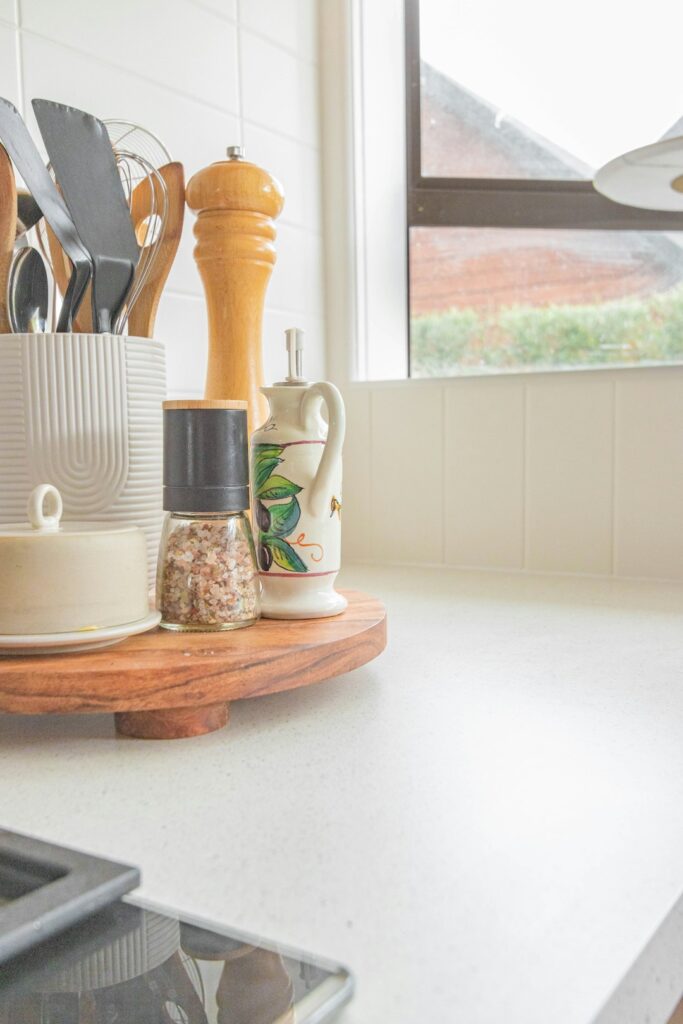
Imagine stepping into your kitchen after a renovation, your eyes settling immediately on a stone benchtop that fits perfectly with the room’s design. Stone isn’t just chosen for how it looks. It’s practical. Stone benchtops handle the daily demands of meal prep and family life without showing wear easily. They resist scratches and heat better than many other materials, which makes them a smart pick for busy homes. In Melbourne, a lot of homeowners have made the switch to stone benchtops, appreciating how these surfaces boost both function and style in their kitchens. Choosing the right stone is key. Granite and quartz dominate the market for good reasons. Granite offers natural, unique patterns formed over millennia, giving kitchens an enduring, classic feel. Quartz, on the other hand, is engineered for consistency and extra toughness. Both stand up well to chopping, hot pots, and spills, but quartz can sometimes be easier to match across large surfaces because of its uniform look. A common mistake is skipping the sample check; it’s best to see the stone in your kitchen lighting before committing. Homeowners often want the kitchen and dining areas to flow visually. Glass splashbacks are a popular way to achieve that. Their reflective surface brightens rooms by bouncing natural light around, creating an impression of more space. Plus, they’re simple to wipe down after cooking messes. Picking the right colour for your splashback matters, it can either highlight the stone’s veins or provide a subtle backdrop that lets the benchtop shine. Some opt for tinted or frosted finishes to add texture without overwhelming the space. Installation isn’t straightforward. Stone slabs are heavy and unforgiving if mishandled. Professionals who install stone benchtops pay close attention to measurements because even a small error can cause gaps or uneven joints later on. They use specialized tools to lift and place slabs safely, protecting edges from chips during fitting. Homeowners often don’t realize how much preparation goes into this phase, like verifying cabinet strength beneath the benchtop to support the weight properly. Maintaining stone surfaces requires some care but nothing extreme. Most stones benefit from sealing, which blocks stains from oil, wine, or acidic foods. Sealing typically needs repeating every year or two depending on use and stone type. Cleaning should avoid harsh chemicals; instead, use mild soap and soft cloths to keep the surface gleaming. A tip from installers: avoid leaving spills unattended, especially from coloured liquids which might soak through if the seal wears thin. Trends in stone benchtops keep evolving. Lighter colours are gaining traction as they brighten spaces and complement modern cabinetry choices. Bold veining patterns are also in demand, serving as focal points rather than just functional surfaces. Some homeowners mix materials, like pairing stone with wood or metal accents for contrast. It’s important to think beyond looks, consider how your lifestyle affects wear and tear when selecting colours and finishes. In practice, many remodels hit snags because clients underestimate lead times for custom stone cutting and polishing. Expect at least a few weeks between ordering and installation. Asking for progress photos during fabrication helps avoid surprises on delivery day. Another frequent snag is confusing edge profiles; simple bevels or bullnose edges change both the appearance and cleaning ease significantly. Investing in stone benchtops means choosing a surface that works hard and looks good doing it. Whether your style leans towards traditional granite textures or the smooth consistency of quartz, there’s an option that will fit your needs. For tailored advice and precise work, consider consulting stone benchtops melbourne providers who can walk you through available materials and finishes. When you’re ready to explore designs and find a style that matches your home, look into melbourne kitchen stone options. Real-world experience combined with good planning prevents costly mistakes and ensures your new benchtop stays a source of pride for years.

Scroll to Top