
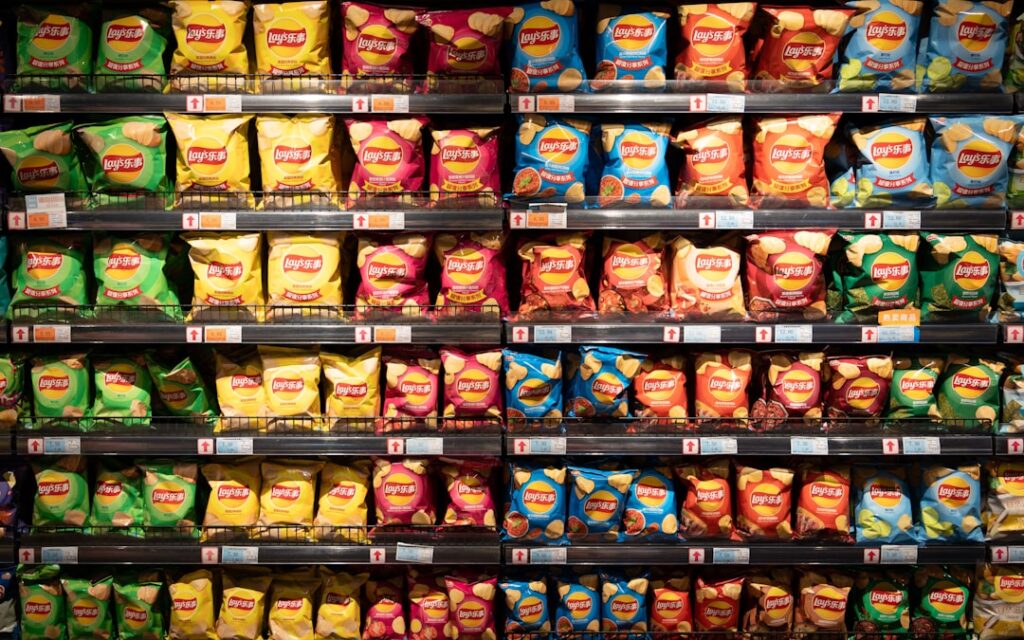
Global Snacks for Every Taste
Walk into a busy market and you might find a shop dedicated entirely to snacks from around the world. These stores promise a taste adventure, but not all manage to deliver on that promise. Many fall into the trap of offering only familiar, mainstream items, missing out on the rich variety of authentic international treats. For example, popular brands might dominate the shelves while regional specialties like Korean rice cakes or Colombian arepas get left out. This limits appeal for customers eager to try something new. Successful international snack shops focus on genuine variety. Sourcing products directly from small producers abroad adds authenticity and supports local economies. Customers often connect more deeply with snacks when they hear about their origins, like a family-run chocolate maker in Belgium or a traditional recipe passed down through generations in Thailand. These stories create value beyond just the product. Logistics can make or break the quality of imported snacks. Shipping conditions matter; some items need temperature control to avoid melting or spoilage. A common mistake is underestimating storage requirements, which leads to stale or damaged goods. Retailers who invest in proper packaging and refrigeration see fewer returns and happier customers. The store environment also influences customer interest. Organizing products by region encourages shoppers to compare flavors side by side, turning browsing into a mini cultural tour. Thoughtful displays can highlight texture differences between Mediterranean nuts and East Asian sweets, for instance. Small details like clear labeling with origin stories or suggested pairings help shoppers make informed choices quickly. Marketing can extend the store’s reach well beyond its physical location. Social media platforms are excellent for sharing vivid photos and background stories that spark curiosity. Posting short videos about how certain snacks are made or the traditions behind them captures attention. Hosting tasting sessions or cultural workshops builds a loyal community, giving people a reason to return regularly and spread the word. One practical tip is maintaining thorough inventory records that track shelf life and reorder points carefully. This prevents overstocking perishable items or running out of popular snacks unexpectedly. Staff training on product knowledge also matters—a well-informed employee can suggest new items based on customer preferences, increasing satisfaction and sales. Many shops underestimate the importance of clear communication with suppliers overseas. Time zone differences and language barriers can cause delays or misunderstandings about order specifications. Regular check-ins and detailed contracts specifying packaging and shipping standards help avoid these issues. Keeping a small buffer stock of key products also reduces the impact of any supply hiccups. Setting realistic pricing is another challenge. Import costs, customs fees, and storage expenses add up quickly. Transparent pricing that reflects these factors but still offers good value attracts discerning buyers without sacrificing margins. Offering mix-and-match deals or sampler packs encourages customers to try unfamiliar snacks without committing to full-sized packages. Running an international snack store involves more than just stocking shelves. It demands careful curation, solid logistics, engaging presentation, smart marketing, and strong supplier relationships. When done right, it turns into a destination for anyone looking to explore new tastes from across the globe. unique international snack options