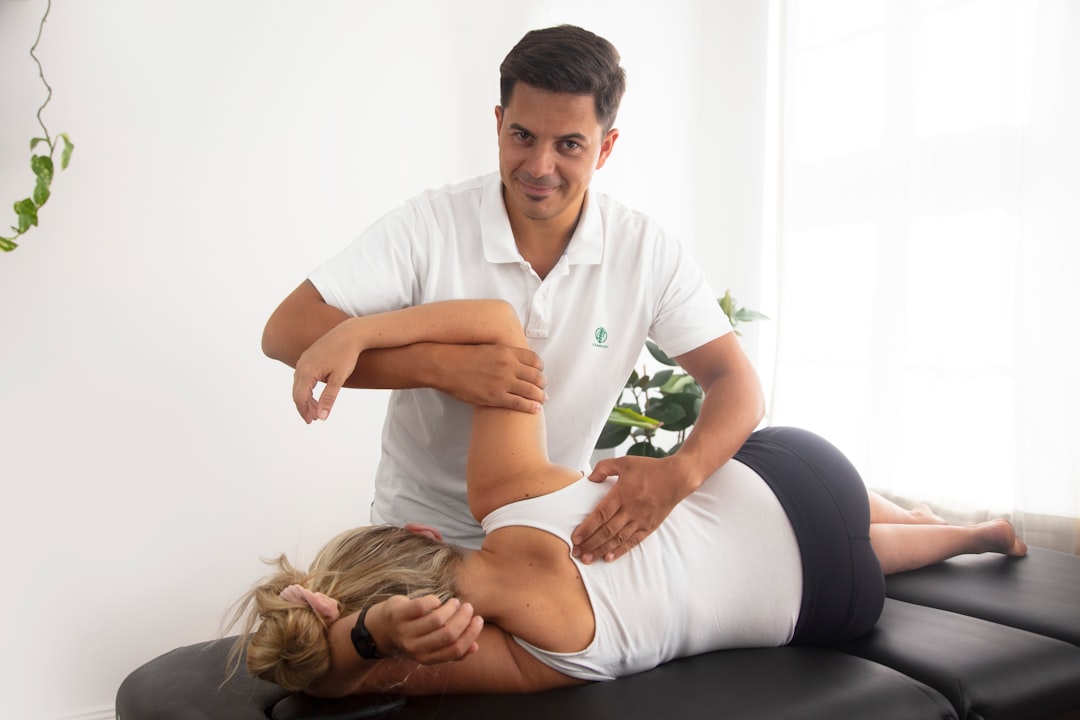

Your homepage should reflect how prospective patients think, rather than how the clinic is organized internally. Use plain service labels such as back pain, sports injuries, post-operative rehabilitation, or pelvic health when those services apply. Each service page should explain who it is for, what an appointment involves, and what the next step costs or requires. Keep the menu short enough to scan, with booking, location, and contact options where visitors expect them. A large menu may show the clinic’s range, but it can also make a small practice feel difficult to use.
Mobile responsiveness means that the layout adjusts to different screen sizes instead of shrinking a desktop page onto a phone. This matters when someone is searching between appointments or while traveling to the clinic. Buttons need enough space to tap, phone numbers should be clickable, and important text should not require horizontal scrolling. A content management system, or CMS, lets staff update services, opening hours, and clinician profiles without editing code. That convenience has a trade-off: extra plugins and editing freedom can increase maintenance, so a simpler setup may suit a busy practice better.
A booking journey should remove uncertainty without forcing visitors through a complicated form. Imagine a runner with a knee injury who wants to know whether an initial assessment is appropriate before choosing a time. A short form could ask for contact details, preferred appointment type, and a brief message, while a phone option helps people who do not want to describe symptoms online. Accessibility includes keyboard access, readable contrast, descriptive labels, and text alternatives for meaningful images. These details help people use the site without changing the clinical content.
Local search depends on clear, consistent information as well as useful pages. State the clinic’s service area, address, parking or transit details, hours, and contact method in ordinary language. Structured data is a behind-the-scenes format that helps search engines interpret details such as an address, service, or opening hours; it does not replace accurate visible content. A location page can help when a practice has more than one clinic, but creating nearly identical pages for every nearby town can confuse visitors and add upkeep. Base pages on real services and locations.
Speed and privacy involve practical choices, not a contest to include every feature. Large treatment photos, video backgrounds, and multiple tracking tools may make a site feel polished, but they can increase loading time and configuration work. Image compression reduces file size while preserving acceptable visual quality, and caching stores commonly requested files for quicker delivery. Contact and intake forms may collect sensitive health information, so use appropriate security measures, limit what the form asks for, and confirm that the setup fits professional and legal obligations before launch.
A new practice may need a focused site with several strong service pages, while an established clinic may benefit from clinician profiles, referral information, online payments, or a larger resource section. Additions should serve a clear patient or administrative need; they are not automatically improvements. Before approving a design, test a realistic scenario, such as a new patient trying to book from a phone. Plan who will update prices, staff details, and holiday hours. For further practice website planning, compare the maintenance burden as carefully as the initial design.