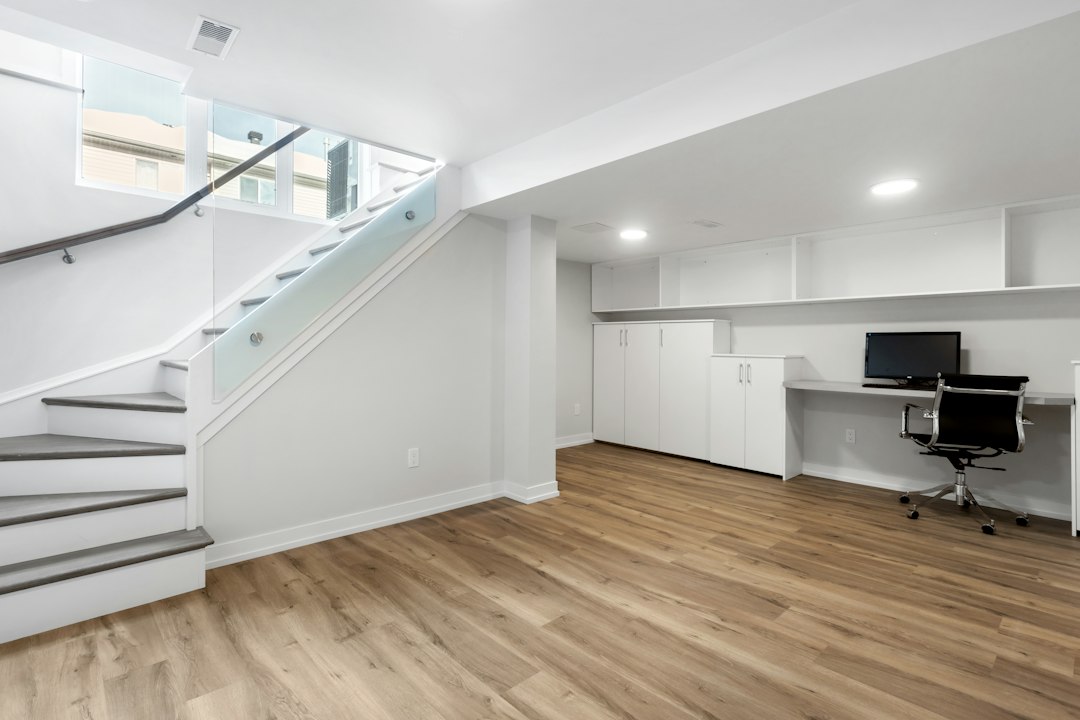

Liquid membranes work on many surfaces: concrete, wood, metal, even submerged structures like pools or fountains. If your concrete foundation sits in an area prone to flooding, applying a liquid membrane can prevent water from penetrating and causing damage over time. These membranes flex with temperature changes and slight movements, so they won’t crack or peel under normal conditions.
Before you start, figure out exactly how much product you need. Most manufacturers offer coverage calculators based on surface area. For example, if a pint covers a certain square footage, you can scale up for larger areas like full basement walls. Buying the right amount saves money and avoids leftover waste that can harden and go unused.
Applying the membrane is straightforward but requires care. Clean the surface thoroughly to remove dust, dirt, or loose paint, any debris can stop the membrane from sticking properly. Use a brush or roller for even coverage, and follow specified drying times between coats. In my experience, skipping a second coat or rushing the drying process often leads to premature failure and frustration down the line.
Comparing waterproofing products helps clarify what fits your situation best. Look for details like drying time, compatibility with your surface, and whether the product suits interior or exterior use. Some membranes dry quickly but might need more coats. Others take longer but cover in fewer layers. These factors affect your schedule and final cost.
If you hit snags or want extra tips, there are guides tailored to different waterproofing challenges. Whether sealing a basement or protecting an outdoor fountain, practical advice from experienced users can save you hours of trial and error. Don’t overlook these resources, they often mention common pitfalls like applying over damp surfaces or ignoring temperature ranges for application.
Choosing the right water membrane not only shields your investment but can also boost your property’s value by preventing moisture damage that scares off buyers. Effective waterproofing means fewer repairs later and a healthier environment. If you’re ready to tackle water intrusion, consider water membrane options designed for your needs.
Maintenance matters too. Inspect vulnerable areas yearly, especially after storms or seasonal changes. Look for cracks, peeling, or soft spots. Addressing small issues early prevents bigger problems and extends the life of your waterproofing system. Regular touch-ups might be necessary where movement or wear is common.
For additional support during your project, check out basement waterproofing advice online. These resources provide practical tips from preparation through cleanup, helping you avoid costly mistakes and get lasting results.