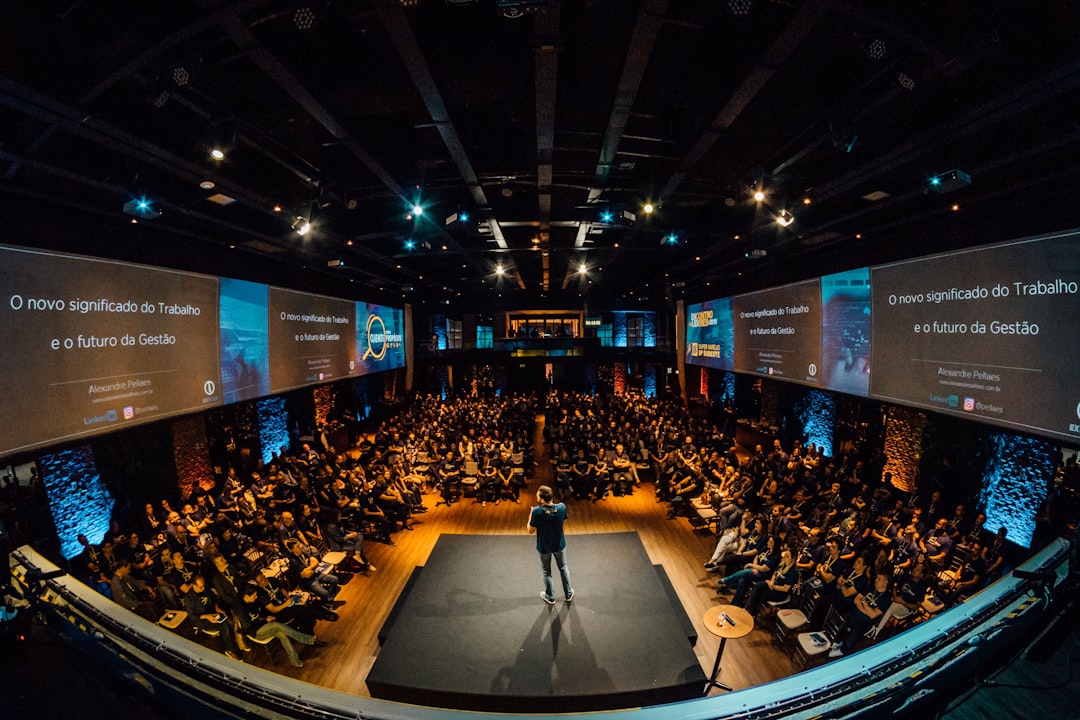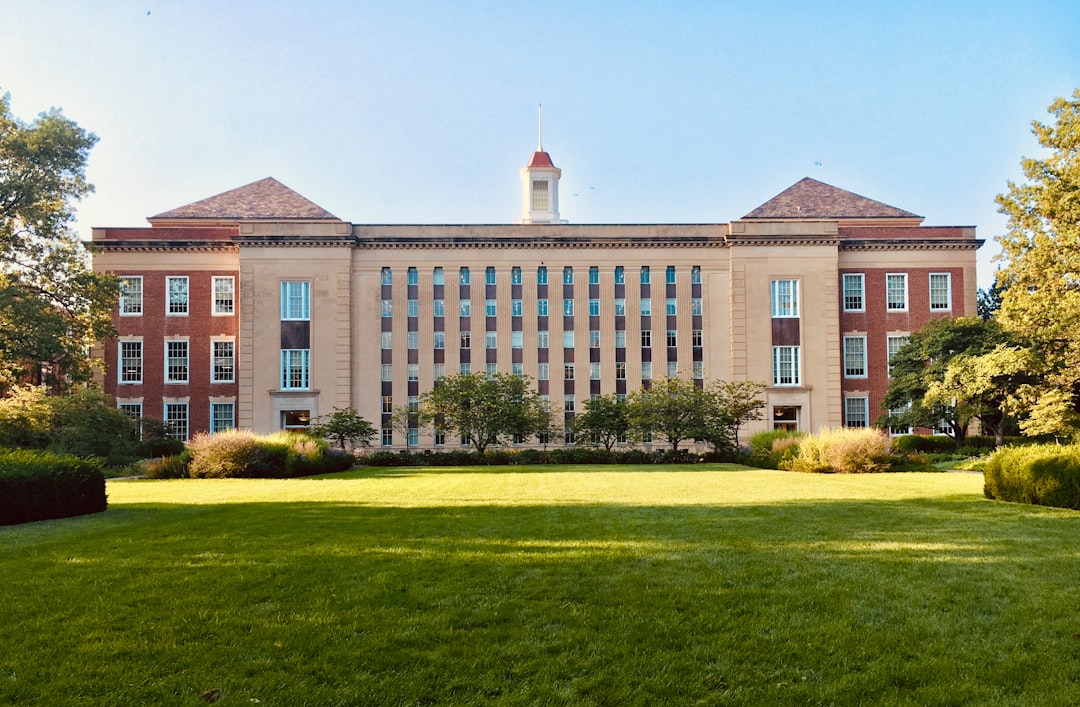
Venue management plays a pivotal role in the success of any event, yet it often operates behind the scenes, unnoticed by guests but critical to the experience. Whether it’s a wedding, corporate function or community festival, the coordination and control of the venue can make or break the occasion. The process involves far more than simply booking a space. It encompasses logistical planning, vendor coordination, risk management, and ensuring the venue aligns perfectly with the event’s vision.
At its core, venue management is about creating a seamless journey from concept to execution. This means understanding the unique requirements of each event and tailoring the space accordingly. It might involve reconfiguring layouts, managing lighting and acoustics, or overseeing access and flow for guests. For larger events, it also includes ensuring compliance with safety regulations and managing relationships with suppliers and contractors.
Successful venue management requires a deep knowledge of not just the physical space, but also the dynamics of events. An experienced venue manager anticipates challenges before they arise. For example, they might identify that a ceremony scheduled for late afternoon could be affected by changing light conditions or that a particular location may require additional permits for outdoor amplification. These are the kinds of considerations that go unnoticed by guests but are vital for a smooth event.
One important aspect is working closely with clients to understand their expectations and translating these into practical arrangements. This could involve selecting the appropriate décor, managing timelines, or ensuring that catering and entertainment providers have the access and facilities they need. Venue managers often serve as the central point of communication, coordinating all elements to ensure nothing is overlooked. This centralised role is particularly valued in wedding planning, where the emotional stakes are high and every detail matters. For those seeking expert support in venue management, working with professionals who understand the intricacies of event execution can be a game changer.
Weather contingencies are another consideration. Outdoor venues, for instance, may look stunning under the sun but require backup options in case of rain or wind. Having a clear contingency plan in place is part of a venue manager’s responsibility, ensuring that the event remains enjoyable no matter the conditions. This kind of foresight is what distinguishes well-managed venues from the rest.
Another element that is increasingly relevant is sustainability. Modern venue management often involves making environmentally conscious choices, from waste management to energy efficiency. Clients are becoming more aware of their ecological footprint, and venue managers are expected to offer solutions that align with these values. This might include recommending local suppliers, using reusable décor elements, or implementing recycling programs.
The role also extends to understanding legal and insurance obligations. Every venue has its own set of requirements, whether it’s capacity limits, fire safety protocols, or licensing for alcohol and live music. A competent venue manager ensures that all these boxes are ticked, thereby protecting both the client and the venue from unforeseen issues.
Technology has become a useful ally in venue management. Digital tools can help with layout planning, guest communication, and even real-time problem solving on event day. However, while technology can enhance efficiency, it cannot replace the human touch. Personalised service, attention to detail, and calm problem-solving under pressure are qualities that define exceptional venue managers.
For those exploring event planning options, having access to trusted professionals who understand every aspect of venue logistics is invaluable. From the initial vision to the final guest departure, the venue acts as the frame that holds everything together. Choosing a provider that offers holistic event coordination can make all the difference. More information on tailored event solutions can be found through event planning services in the region.
In conclusion, venue management is an art that combines logistics, creativity, and interpersonal skills. It ensures that every element of an event functions in harmony, providing not just a location, but a foundation for memorable experiences. Whether you’re hosting a small gathering or a large celebration, investing in professional venue oversight can turn your plans into a flawless reality.