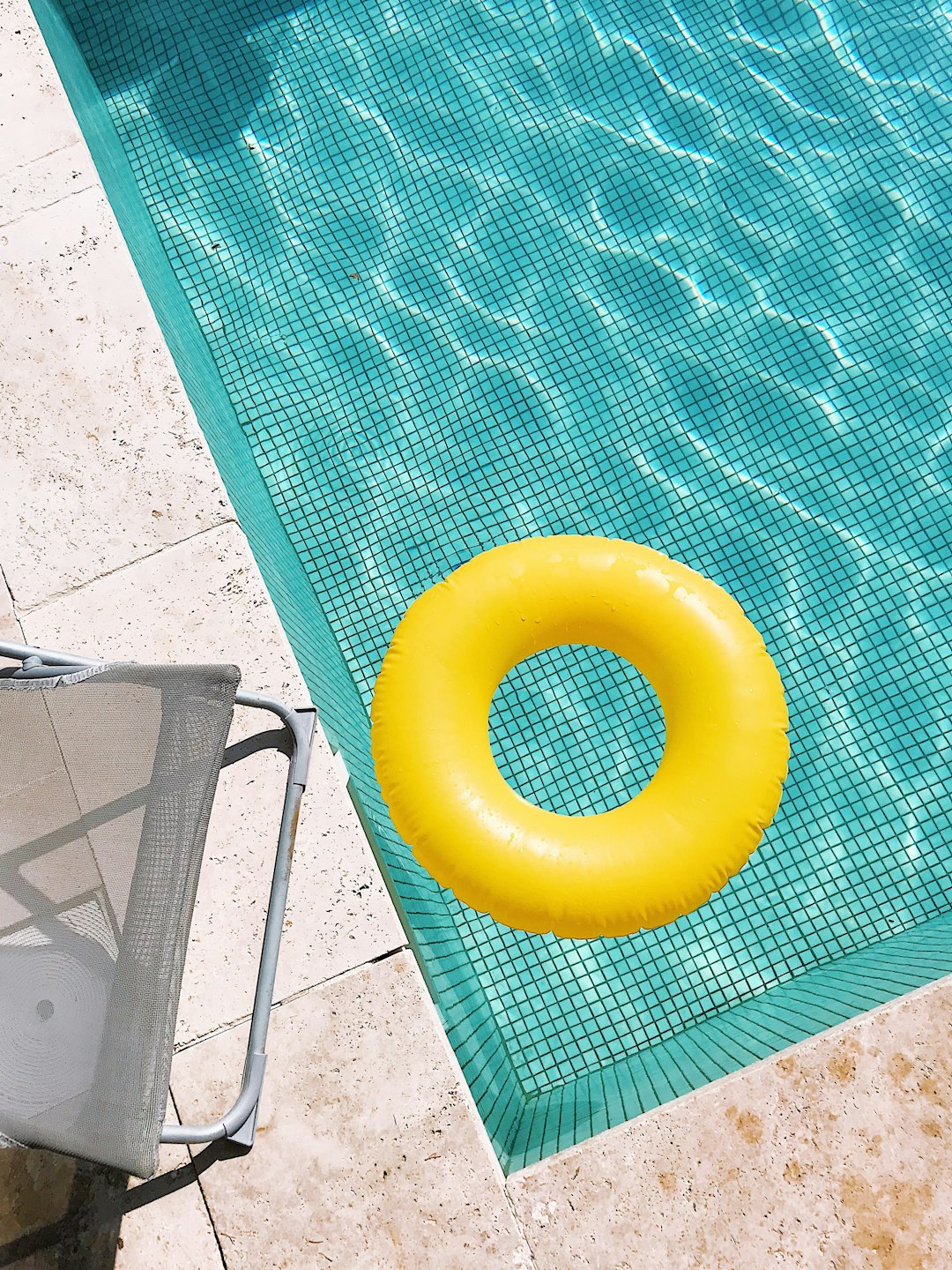
Swimming pool waterproofing is an essential part of pool construction and maintenance, ensuring durability and preventing costly structural issues over time. Without proper waterproofing, pools are prone to leaks that can lead to water loss, damage to surrounding structures, and even more significant problems like soil erosion or foundation instability. Investing in the right waterproofing solution not only protects the integrity of the pool but also extends its lifespan and enhances safety for users.
Water infiltration is one of the most common and persistent problems in swimming pool systems. The constant exposure to water, varying temperatures, and chemical treatments contribute to the wear and tear of pool surfaces. Cracks and porous areas can develop in the concrete or masonry, allowing water to seep through. This is particularly problematic in below-ground pools where leakage can affect surrounding soil or building foundations. For this reason, choosing high-quality waterproofing materials is critical during both the construction and renovation phases of a pool.
Modern waterproofing technologies offer several options to address these challenges. Liquid-applied membranes, for example, are becoming increasingly popular due to their ability to form a seamless and flexible barrier. These membranes adhere to the pool surface and adapt to minor structural movements, reducing the likelihood of cracks forming over time. For those looking to ensure long-term performance, swimming pool waterproofing using advanced liquid membranes provides an effective and durable solution.
In addition to liquid membranes, other waterproofing methods include cementitious coatings, bituminous products, and sheet membranes. Each option has its advantages depending on the type of pool and environmental conditions. Cementitious coatings, for example, are easy to apply and bond well to concrete surfaces, making them a solid choice for new pools. Sheet membranes offer robust protection but require precise installation to avoid seams or gaps that could allow water infiltration. The selection of the most appropriate method should be based on a thorough assessment of the pool’s design, location, and usage.
Proper surface preparation is a crucial step in the waterproofing process. Any existing cracks, holes, or loose materials must be repaired before applying a waterproofing layer. The surface should be clean, dry, and free of contaminants to ensure optimal adhesion. Failure to do so can compromise the effectiveness of the waterproofing system and lead to premature failure. In some cases, priming the surface may be necessary to improve bonding and overall performance.
Ongoing maintenance is also important to preserve the integrity of a waterproofed pool. Regular inspections help identify early signs of wear or damage, such as discoloration, bubbling, or peeling of the waterproof layer. Addressing these issues promptly can prevent more extensive repairs down the line. Pool owners should also be cautious about the types of chemicals used in the water, as some products can degrade waterproofing materials over time.
As sustainability and environmental concerns become more prominent in construction practices, eco-friendly waterproofing solutions are gaining traction. Water-based products with low volatile organic compounds (VOCs) are safer for both workers and the environment. These formulations offer the same level of protection without the use of harsh solvents or toxic substances. Additionally, some waterproofing systems are designed to be compatible with recycled materials, supporting green building initiatives.
Choosing the right waterproofing solution also involves considering the aesthetic aspects of the pool. Some membranes can be tinted or textured to match the design vision, allowing functionality and beauty to coexist. This is particularly important for high-end residential or commercial pools where visual appeal plays a significant role in user satisfaction.
For those seeking professional insight or products tailored to specific waterproofing needs, there are resources available that can guide both homeowners and contractors through the process. From detailed product information to application tips, pool surface treatment solutions offer comprehensive support for achieving reliable waterproofing results.
By taking the time to understand the different waterproofing options, preparing surfaces correctly, and maintaining the system regularly, pool owners can enjoy a structurally sound and leak-free swimming environment for years to come. Swimming pool waterproofing is not just a finishing touch—it’s a critical element in ensuring safety, efficiency, and long-term performance.