
Liquid membranes consist of rubber-like compounds that spread over surfaces, curing into a continuous waterproof layer. They work well on places exposed to moisture such as basements, foundations, and even submerged areas like pools or garden fountains. Their elasticity means they handle temperature shifts without cracking or peeling, which is common with rigid materials. This adaptability helps maintain protection over time without frequent touch-ups.
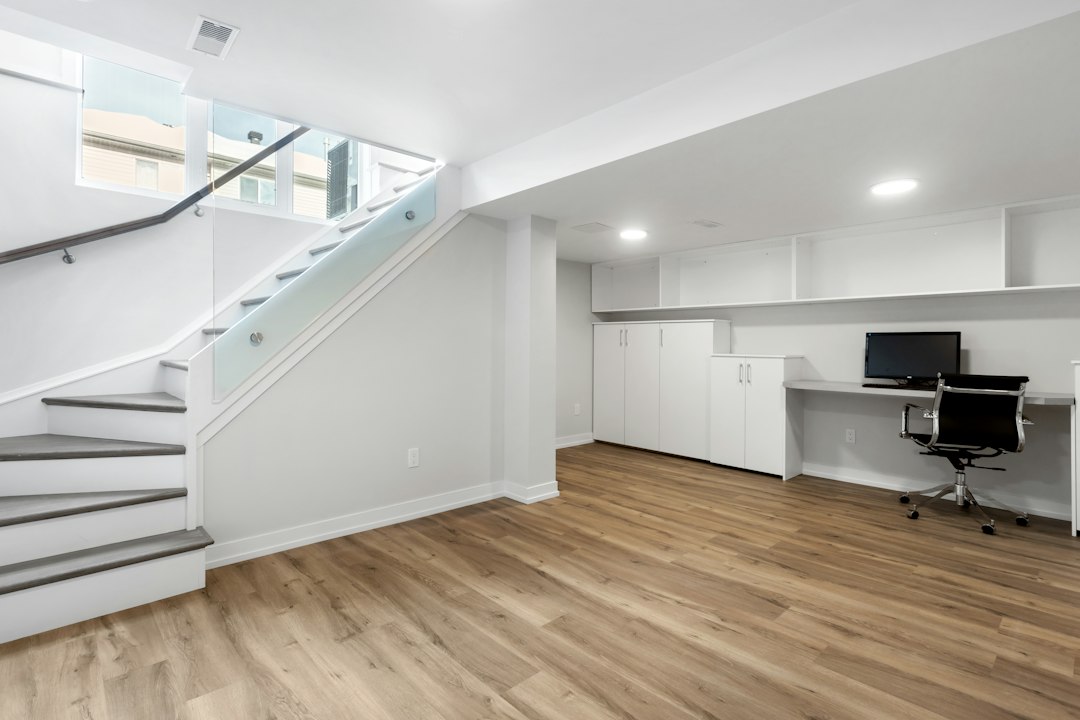
One of the biggest advantages is how straightforward liquid membranes are to apply. You don’t need specialized training or expensive gear. Cleaning the area thoroughly before application is critical; dirt or loose paint can ruin adhesion. After mixing the product properly, use a brush or roller to cover the surface evenly. It’s not unusual for homeowners to tackle basement walls themselves, saving on contractor fees and gaining confidence in their home maintenance skills.
Liquid membranes bond well to various substrates including concrete, wood, and metal. This versatility makes them attractive for commercial properties too. For example, protecting flat roofs or outdoor decks where water tends to pool can extend the life of those surfaces and reduce ongoing maintenance efforts. It’s common for building managers to inspect these areas seasonally and reapply coatings where wear becomes noticeable.
Estimating how much material you’ll need is easier with online coverage calculators. These tools allow you to input your surface dimensions and get a product quantity estimate. On average, one pint covers about 100 square feet, but rough or porous surfaces might require more. Doing this homework prevents buying too little and having to pause a job mid-way or wasting excess product.
When choosing between waterproofing options, comparing durability, cost, and ease of use is wise. Some prefer liquid membranes over sheet membranes or traditional coatings because they can fill small cracks and avoid seams where leaks often start. Checking product reviews and performance data can reveal differences in lifespan and resistance to UV exposure or chemicals.
If you’re unsure about application techniques or material selection, plenty of online tutorials provide step-by-step instructions tailored to different projects. Community forums also offer practical advice from people who’ve been through similar jobs. One common tip is to work in thin layers rather than thick coats, which helps avoid bubbling or uneven drying. Taking time to prepare surfaces and allowing adequate drying between coats can save hours of rework.
Subscribing to industry newsletters keeps you informed about new products and updates in waterproofing technology. Staying current can help you spot innovations that might suit your property better or provide longer-lasting protection. Whether maintaining a home or managing commercial buildings, being aware of advancements allows for smarter investment decisions.
Choosing liquid membrane roofing offers a practical way to protect your building from water damage while enabling hands-on involvement. These products not only shield structures effectively but also give users a chance to develop useful skills that improve home upkeep. For more information on different waterproofing methods, visit .