Waking up with persistent lower back pain can turn everyday activities into challenges. In Concord, many people deal with discomfort from injuries, chronic illnesses, or recovery after surgery. Physiotherapy offers targeted care designed around your specific condition. Treatments often combine hands-on therapy, personalized exercises, and education to help restore movement and build strength. The goal is to give you back control over your body and reduce reliance on pain medications.
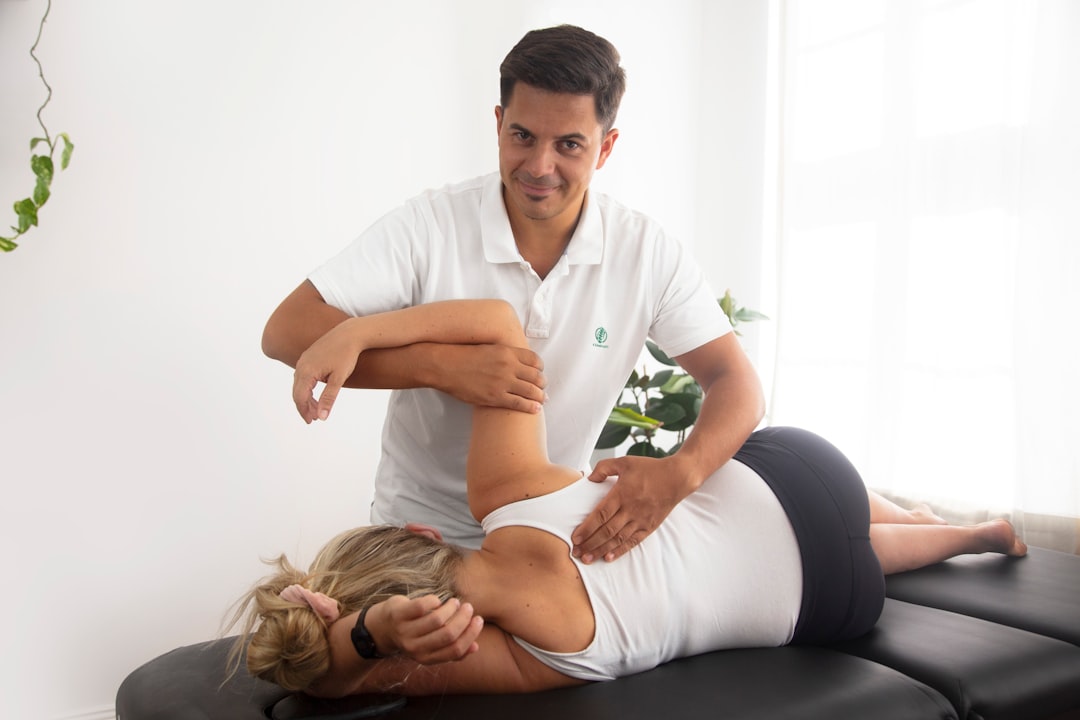
A typical physiotherapy assessment involves pinpointing the root cause of your pain. For example, if shoulder stiffness comes from repetitive strain or an old injury, a physiotherapist might use joint mobilizations and soft tissue techniques to ease tightness and improve range of motion. They also teach you how to avoid putting unnecessary stress on the joint, which means fewer flare-ups down the line. It’s common for therapists to document progress carefully after each session to tailor the next treatment.
Exercise physiology is often part of rehabilitation, especially for people rebuilding strength after surgery or managing ongoing conditions. An exercise physiologist will design a plan that gradually increases your activity without pushing too hard. Say you’re recovering from knee surgery: they’ll introduce low-impact exercises that improve muscle endurance and joint stability while avoiding movements that could cause setbacks. Patients are usually advised to keep a log of their exercises and any pain or stiffness experienced to share during follow-up visits.
Foot and ankle problems can easily disrupt overall mobility, which is why podiatry services are integrated into physiotherapy care in Concord. A podiatrist assesses gait patterns and foot alignment issues that might cause knee or hip pain due to compensation. Treatments may include custom orthotics or specific strengthening exercises for foot muscles. Often, patients don’t realize how much untreated foot pain affects posture until these corrections are made. Scheduling regular follow-ups ensures the orthotics fit well as your condition improves.
Clear communication with your physiotherapist is vital. Early on, you should set realistic goals together, whether it’s returning to work, playing sports again, or managing chronic pain daily. Therapists rely on honest feedback about what’s helping and what isn’t. Sometimes patients expect quick fixes, but recovery usually involves steady progress and occasional plateaus. Being upfront about discomfort during exercises allows adjustments that prevent setbacks.
In Concord, you’ll find physiotherapy services that cover a broad range of needs. From urgent care for sports injuries to ongoing management of arthritis symptoms, local clinics offer flexible appointments to fit busy schedules. Many therapists also provide home exercise programs tailored to your lifestyle, understanding that consistency outside the clinic makes a big difference. Checking your insurance coverage beforehand can save surprises about out-of-pocket costs.
Physiotherapy isn’t only reactive; it can be preventative too. Regular assessments may catch imbalances or weaknesses before they develop into pain or injury. For example, a therapist might notice early signs of poor posture in office workers and suggest ergonomic changes alongside strengthening exercises. Staying proactive helps maintain mobility over time and reduces the chance of future treatment needs.
Starting physiotherapy might feel overwhelming, but keeping track of your symptoms and progress makes the process clearer. Remember that each session builds on the last with adjustments based on how well you respond. Whether dealing with sudden injury or ongoing discomfort, understanding your treatment options empowers better decisions about your health care. You can learn more about available treatments by visiting physiotherapy concord.
For practical advice on maintaining physical health through effective routines, consider exploring resources at physical therapy guidance in concord. These insights can help you stay active and manage minor aches before they worsen.