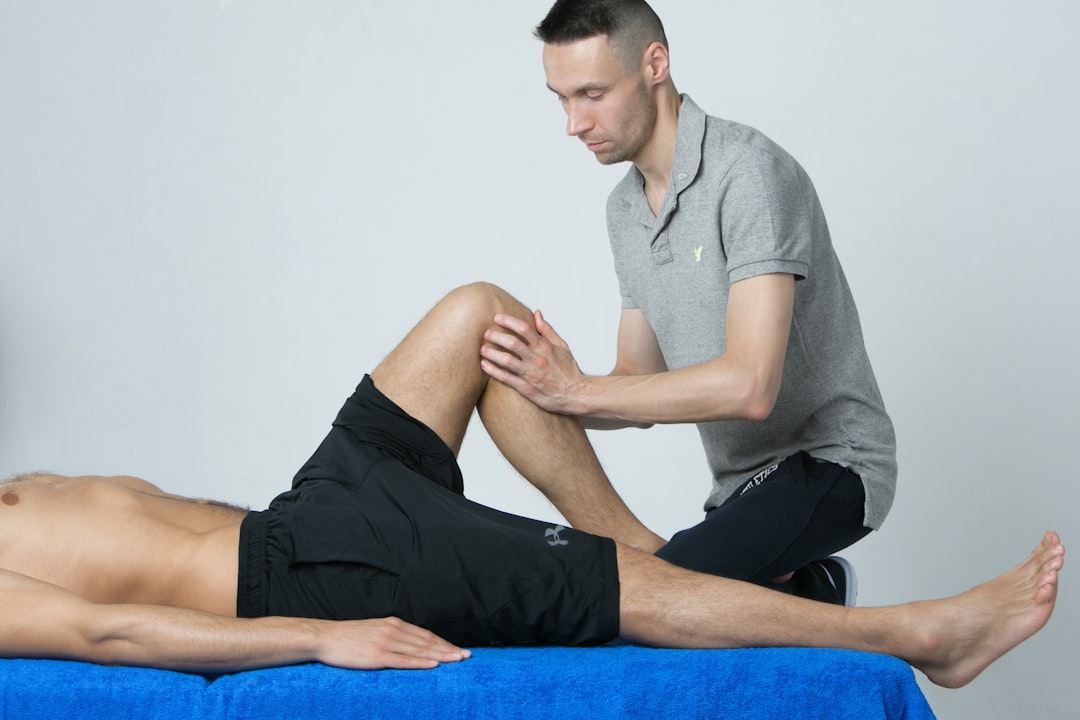
A parent in a Brisbane optometrist’s office watches their non-verbal child struggle with a routine eye exam. The child can’t explain discomfort or confusion, making the process stressful for everyone. Families with additional needs often face these hurdles during eye care. Brisbane practitioners who specialise in NDIS optometry understand how to adapt assessments to the individual’s requirements. They adjust lighting, reduce noise, and use straightforward language to ease anxiety and encourage cooperation throughout the exam.
Eye exams for people with sensory sensitivities demand patience and preparation. Simple changes like dimmed lights and quiet rooms help patients stay calm. Explaining each step clearly helps prevent misunderstandings. For example, some children might flinch when a bright light shines in their eyes if they don’t know what to expect. Practitioners who take time to describe the procedure can reduce fear and build trust, which leads to more accurate results.
Low vision assessments go beyond prescribing glasses. They focus on how patients use their remaining sight in daily tasks, such as reading, recognising faces, or navigating spaces. Often, these evaluations reveal needs that standard lenses can’t meet. Introducing magnifiers, electronic readers, or other adaptive aids can significantly improve functionality. A common mistake is skipping training on these devices. Without proper guidance, patients may abandon helpful tools out of frustration.
Bioptic telescopes are one such aid used in low vision care. These combine regular glasses with a small telescope mounted on the frame. They let users see distant objects clearly while maintaining normal vision up close. Getting accustomed to bioptics takes practice and professional coaching. Without support, users might find them awkward or disorienting, leading to limited use despite their potential benefits.
Cerebral Visual Impairment (CVI) presents unique challenges because the eyes may be healthy but the brain struggles to process visual signals. This condition is common in children with neurological issues. Optometrists familiar with CVI look for signs like difficulty recognising faces or trouble tracking moving objects. They work closely with caregivers to understand the child’s environment and visual experiences at home and school. This insight helps tailor strategies that improve how the child interprets visual information.
Families seeking NDIS optometry services in Brisbane should explore resources that detail available assessments and supports. Thorough evaluations inform decisions about interventions that can make a real difference in everyday life. Advocating for detailed exams ensures patients receive tailored care suited to their circumstances. Access to specialised optometry isn’t a luxury, it’s a necessity for fostering independence and improving quality of life.
Collaborating with professionals outside optometry, such as occupational therapists or educators, enriches patient care. For example, a child with vision impairment and developmental delays benefits from input across disciplines. Coordinating efforts creates consistent support that addresses multiple needs simultaneously, particularly within educational settings.
Focusing on detailed eye exams designed for people with diverse needs helps raise standards in Brisbane’s vision care community. Every patient deserves expert attention that acknowledges their particular challenges and strengths. If you want further assistance, consider contacting local services like NDIS Optometry brisbane. For broader information on visual health resources, visit . Small details matter when supporting visual wellbeing.