When the body’s natural rivers become blocked, the result is a swelling tide that refuses to recede. Lymphoedema, a chronic condition marked by the accumulation of lymphatic fluid, often goes misunderstood and underdiagnosed. It can arise after cancer treatment, particularly when lymph nodes are removed or damaged, or it may develop due to congenital issues or chronic venous insufficiency. The effects are more than skin deep, impacting mobility, comfort, and mental wellbeing. This is where a lymphoedema specialist becomes an essential guide, helping individuals navigate the complexities of this condition with precision and care.
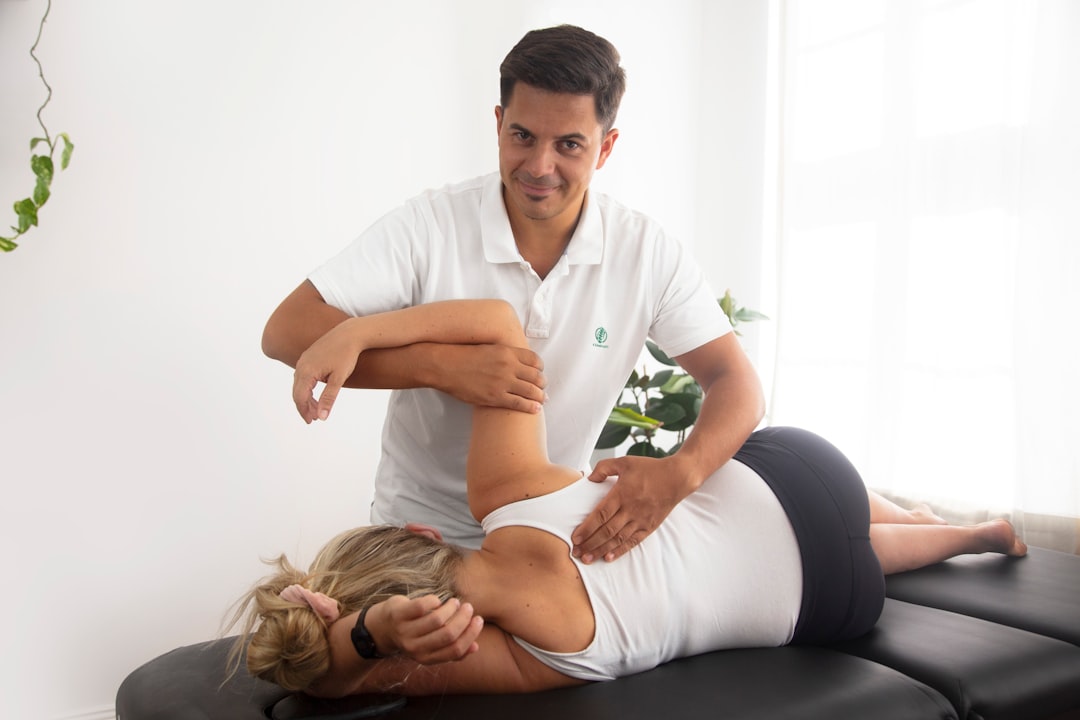
A lymphoedema specialist is a healthcare professional trained specifically in the assessment and management of lymphatic disorders. These specialists often come from physiotherapy, nursing or occupational therapy backgrounds, and they bring a nuanced understanding of lymphatic anatomy and pathology. Their role extends far beyond simply reducing swelling. They tailor treatment programmes that may include manual lymphatic drainage, compression therapy, exercise plans, and skin care education to prevent infections such as cellulitis. Importantly, they also provide psychological support and practical strategies for coping with a long-term condition.
The journey of lymphoedema management begins with accurate diagnosis. This can involve clinical assessment, limb measurements, and occasionally imaging to determine the extent and cause of the fluid buildup. Once diagnosed, treatment is highly individualised. A lymphoedema specialist takes into account a person’s lifestyle, occupation, and personal goals when designing their treatment pathway. The aim is not just to reduce swelling but to restore function and enhance quality of life.
Education plays a central role in the work of these specialists. Many patients arrive with limited understanding of what lymphoedema is, sometimes years after initial symptoms appear. Early intervention can significantly improve outcomes, yet stigma and misinformation often delay treatment. Specialists spend time demystifying the condition, empowering patients to take control through self-management techniques and ongoing support. They stress the importance of consistent care, including daily use of compression garments when prescribed and adapting routines to minimise flare-ups.
For individuals recovering from cancer, particularly breast or pelvic cancer, lymphoedema can be an unexpected and distressing side effect. A specialist can help bridge the gap between oncology and rehabilitation, ensuring that patients receive holistic care that addresses all aspects of their recovery. By working closely with oncologists and surgeons, they help coordinate a multidisciplinary approach, making sure that lymphatic health remains a priority.
The impact of lymphoedema extends beyond the physical. Many patients report feelings of embarrassment, frustration, and social isolation. The swelling can interfere with clothing choices, work responsibilities, and social activities. A lymphoedema specialist recognises these challenges and supports patients not only through clinical treatment but also through emotional resilience building. They may recommend support groups or counselling services, and they often serve as a consistent, reassuring presence in a patient’s healthcare journey.
In Australia, access to qualified specialists is improving, with more clinics offering dedicated lymphoedema services. These professionals ensure that both early-stage and chronic cases receive the attention they deserve. With the right guidance, many individuals lead active, fulfilling lives while managing their condition effectively. Whether through face-to-face consultations or telehealth options, the aim remains the same: to restore balance where the body’s natural flow has been disrupted.
For those seeking personalised, evidence-based care, clinics offering comprehensive physiotherapy and rehabilitation services provide a valuable resource. Finding the right support can make a significant difference in how one experiences and manages lymphoedema. Professional services such as those available through this comprehensive physiotherapy clinic offer integrated approaches that cater to the full spectrum of patient needs.