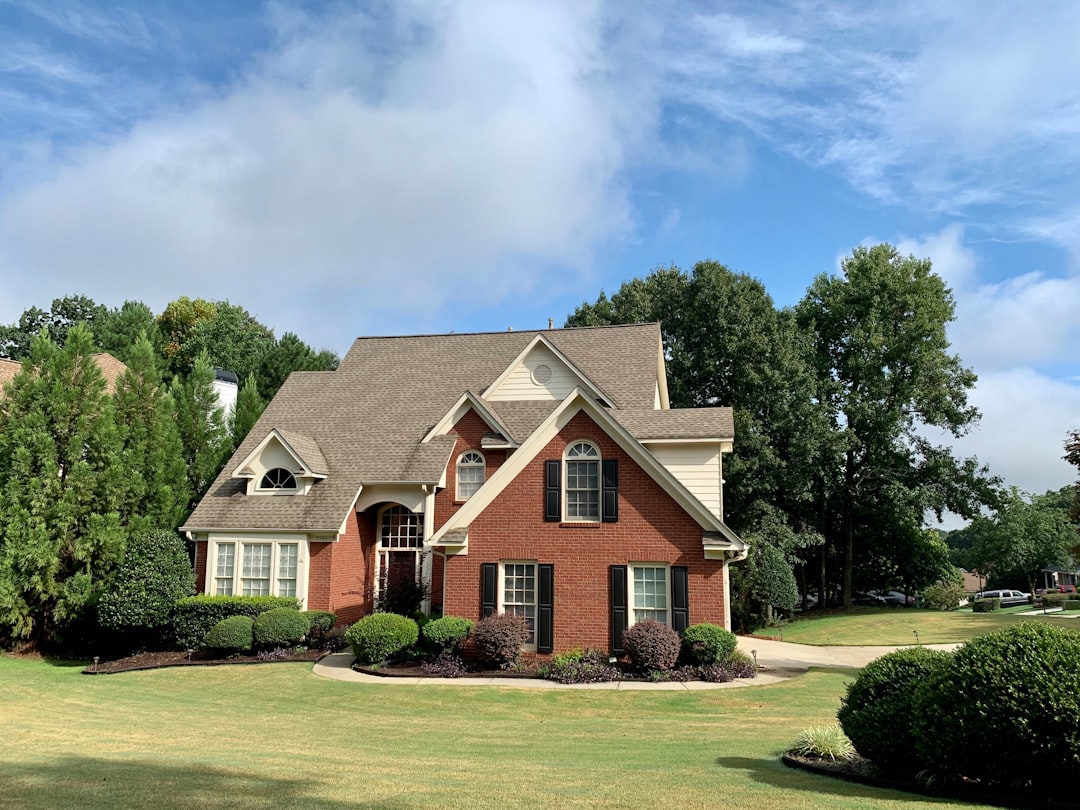

Managing inspections across multiple buildings is challenging with traditional methods. Scheduling conflicts, forgotten follow-ups, and inconsistent reporting often result in messy records. AI-powered platforms streamline this by allowing managers to organize inspections efficiently and receive real-time updates on each property’s condition. This level of oversight helps maintain uniform standards, ensuring no unit is overlooked. For example, a manager might flag a recurring roof leak across several units quickly because the system highlights similar defects automatically.
Once inspections conclude, the software compiles all findings into detailed reports without extra effort from the user. These reports include annotated photos and clear descriptions of any damage or maintenance needs. Landlords and investors appreciate having this transparent documentation for compliance reviews or sales negotiations. It also reduces administrative work significantly since data entry and formatting are handled by the system. Many property managers rely on these automated reports as official records when discussing repairs with contractors or tenants.
Integrating virtual tours within the inspection platform adds another layer of convenience. Prospective renters or buyers can explore properties remotely, guided by AI-generated insights about specific features or concerns. This approach saves time for both parties and helps set realistic expectations before physical visits occur. When combined with AI’s detailed condition analysis, virtual tours provide a fuller picture of the property’s status than photos or descriptions alone.
The financial benefits of adopting AI inspection tools go beyond saving labor hours. Companies often notice lower operational costs since fewer physical inspections are needed, and better property maintenance reduces tenant complaints and turnover. One practical habit some managers adopt is scheduling periodic AI-supported inspections after routine maintenance to verify repairs held up over time. Such follow-ups prevent costly surprises and preserve rental income.
When exploring AI solutions, it’s wise to evaluate how well different platforms fit existing workflows. Integration with property management software, ease of use for field staff, and the availability of training resources can make a big difference in how quickly teams adopt new technology. It’s common for managers to start with a pilot program in a few buildings before scaling up. Visiting websites like ai home inspection software can provide practical information about features and compatibility.
Support services offered by vendors also matter. Responsive customer service and accessible training materials help smooth the transition and resolve issues promptly. Property managers often appreciate tools that allow them to customize inspection checklists or report formats to match their specific needs. Staying in contact with providers ensures that any software updates or new functionalities align with operational goals.
In addition, understanding common communication pitfalls can save time during inspections. For instance, workers sometimes miss noting small but critical details like water stains behind appliances, which later cause disputes. Training teams to capture comprehensive images and use consistent terminology in notes helps avoid these problems. AI software can assist by flagging unclear or incomplete entries for review before finalizing reports.
Choosing the right provider involves balancing features, support, and cost while keeping an eye on practical day-to-day use. Exploring options at property management technology reviews offers a useful starting point for comparing what’s available and how other users rate performance.