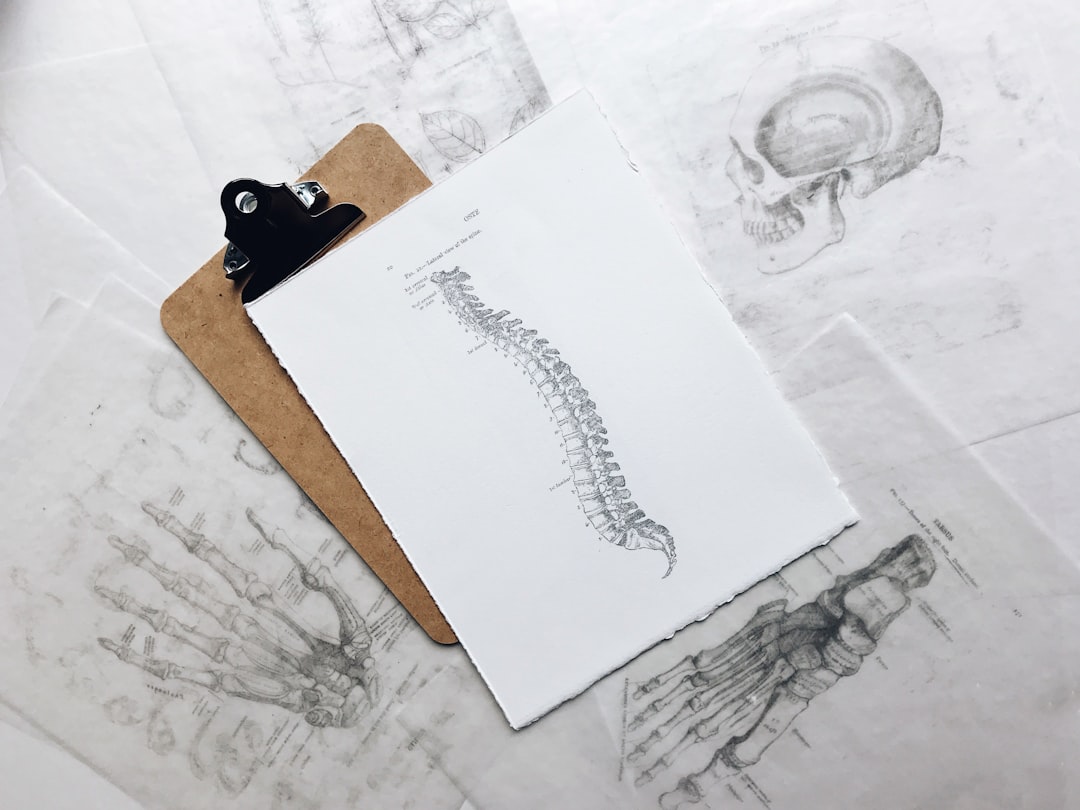
Waking up with a sharp pain in your lower back can turn simple tasks into major hurdles. Maybe it’s bending down to tie your shoes or lifting the laundry basket that suddenly feels impossible. This kind of pain and stiffness isn’t unusual, but ignoring it only prolongs discomfort. Physiotherapy offers targeted support to ease pain and restore movement, helping you take back control over daily activities.
Imagine someone returning to running after months off. At first, everything goes well, but then knee pain kicks in, slowing progress. Instead of stopping to assess the issue, pushing through the pain can worsen the injury. A physiotherapist can evaluate running form and muscle balance, spotting weak spots or imbalances that cause strain before they lead to serious problems.
Physiotherapy uses hands-on techniques like joint mobilisations and soft tissue massage to reduce tightness and improve joint function. Alongside this, personalized exercise plans strengthen underused muscles and increase flexibility. These programs focus on correcting movement patterns, which helps prevent pain from returning. It’s about fixing what’s wrong beneath the surface, not just masking symptoms.
Posture and ergonomics often get overlooked but are key to avoiding long-term issues. Many people don’t realise how much slouching at a desk or improper lifting can wear down joints and muscles. Physiotherapists teach proper alignment and safe ways to move during everyday tasks. They might suggest adjusting your chair height, using lumbar support, or repositioning your monitor to reduce strain throughout the day.
Tools like ultrasound therapy and electrical stimulation are common in physiotherapy clinics. These methods can decrease swelling and encourage tissue repair when used alongside exercises. It’s not just about passive treatments; combining them with active rehab makes recovery more effective and sustainable.
If you’re searching for physio sydney, look for practitioners who tailor treatments to your specific condition. They should communicate clearly about what’s going on with your body and why certain exercises or techniques are necessary. A good physiotherapist also checks in on progress regularly and adjusts the plan based on real feedback, not just standard protocols.
Working closely with a physiotherapist means you’re not guessing about your recovery. Whether it’s a recent injury or ongoing pain, having someone guide your rehab helps build confidence in your body’s ability to heal. They’ll show you how to monitor symptoms properly and avoid common mistakes like rushing back too soon or skipping warm-ups.
Understanding your body’s limits and learning how to respect them is a big part of getting better. Engaging fully in your treatment plan, from attending sessions to doing prescribed exercises at home, makes a difference you’ll feel every day. For more details on how physiotherapy can improve your quality of life, visit everyday movement guidance.