
Sustainability now guides many designers’ choices. They look for metals and gems that avoid environmental harm or resource depletion. For example, some jewelers rely on recycled gold or silver, which lessens the need for new mining. Others seek gemstones certified by organizations ensuring fair labor and minimal ecological impact. Checking for chain-of-custody documents can help verify claims, yet mislabeling remains a challenge in the trade. Buyers often ask for these records to avoid surprises later.
Lab-grown diamonds offer a compelling alternative to mined ones. Created in labs under controlled conditions, these gems share the same chemical and physical traits as natural diamonds. Their production avoids the destructive excavation typical of diamond mines, which can scar landscapes and pollute water sources. However, lab-grown diamonds still require energy, so buyers curious about their carbon footprint should ask about the energy sources used during manufacturing.
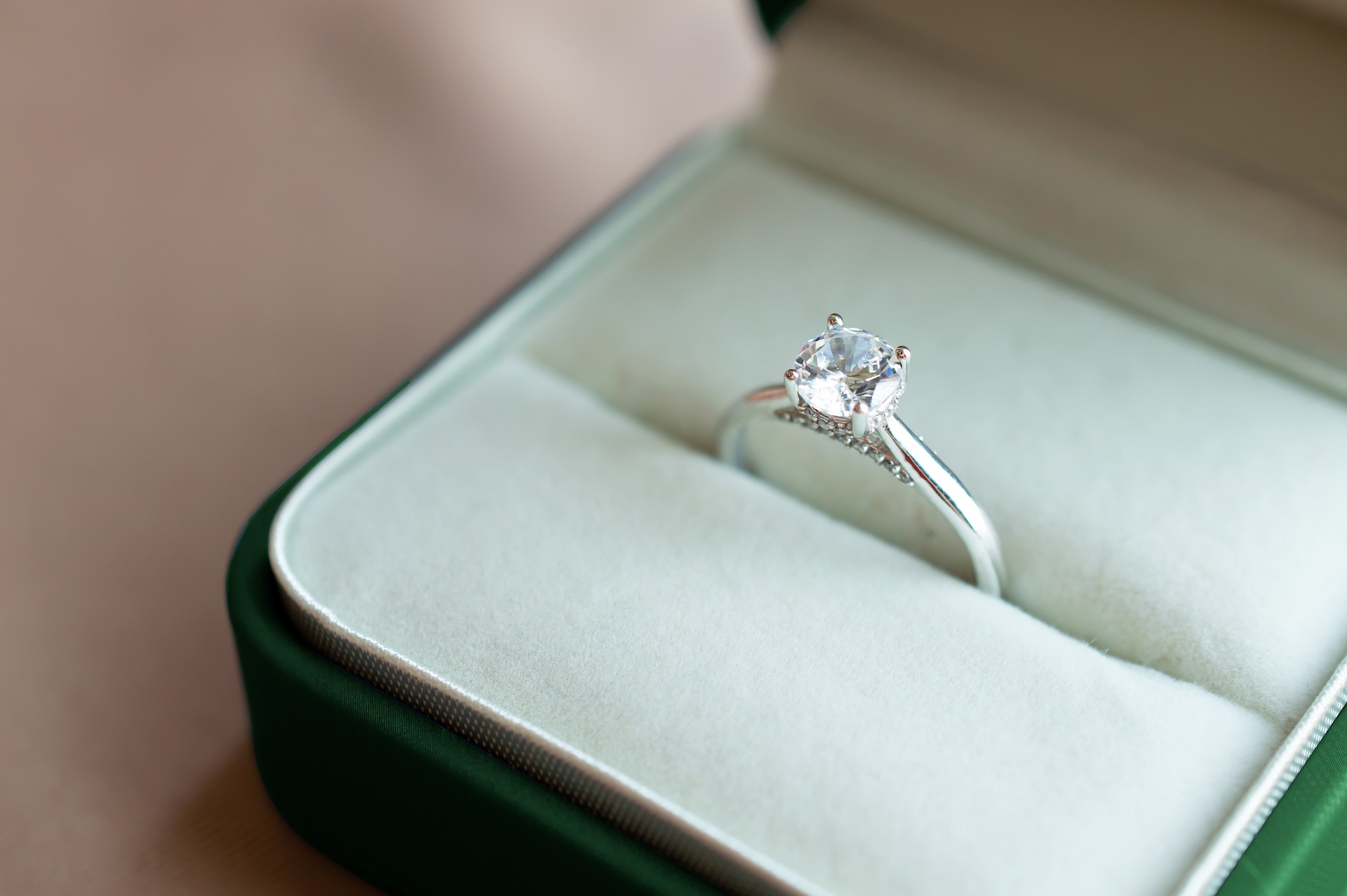
Moissanite is gaining attention as a durable, brilliant stone that’s ethically produced. Originally found in a meteorite, today’s moissanite is synthesized, sidestepping mining impacts. It shines brightly and costs less than diamonds, making it popular for engagement rings among those prioritizing ethics and budget. Jewelers often recommend moissanite as a practical choice for clients wanting sparkle without compromise.
White sapphires present another option that balances beauty with environmental mindfulness. Mined sapphires tend to have smaller-scale operations than diamond mines, sometimes resulting in less ecosystem disruption. These stones come in many cuts and sizes, allowing customization while keeping sustainability in mind. Still, customers should inquire about origin and treatment processes as some sapphires undergo enhancements that affect their value and longevity.
Upcycling transforms old or broken jewelry into fresh designs, cutting down waste and adding character. This hands-on approach lets artisans tell stories through each piece’s history while reducing demand for new materials. A jeweler might carefully dismantle an heirloom ring to reuse its stones or metal in a contemporary setting, preserving sentimental value and promoting responsible consumption.
Beyond jewelry itself, reusing vintage beads or reclaimed metals is another method artisans use to create unique items with minimal environmental impact. These materials often come from estate sales or industrial scraps, giving them new life. It’s common for jewelers to keep detailed notes about the source and condition of these components to ensure quality and maintain transparency with clients.
Sustainable business practices extend behind the counter too. Shops adopting eco-friendly packaging made from recycled paper or biodegradable materials reduce landfill contributions. Cutting electricity use by switching to LED lighting or running equipment during off-peak hours helps lower energy consumption. Some retailers prioritize local suppliers to minimize transportation emissions and support nearby communities. Such steps resonate with customers who want honesty and responsibility in every purchase.
Exploring options like sustainable jewelry allows buyers to align spending with their values and back brands committed to ethical standards. For those seeking guidance on selecting pieces with care, offers practical insights grounded in real-world experience.