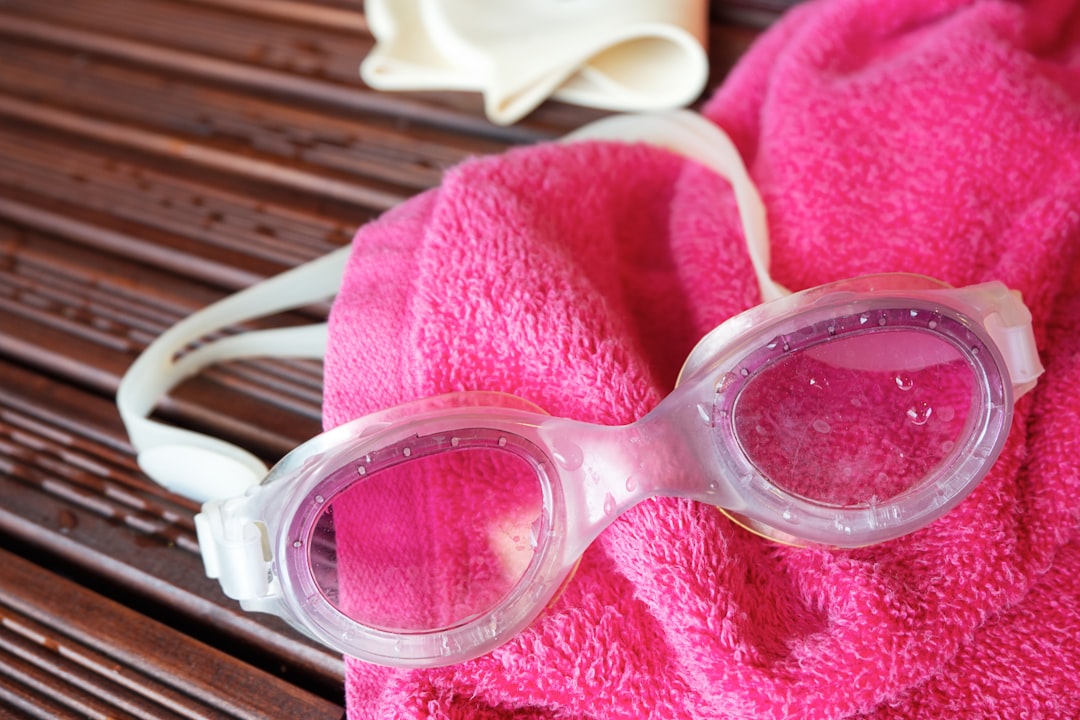

Silicone is often selected for its smooth feel, stretch, and more substantial hand than very thin latex. That does not make every silicone cap identical. Thickness can affect how structured the cap feels, how readily it stretches, and how warm it seems during a long session. A thicker version may hold its shape well but feel tighter at the forehead, while a lighter version may be easier for a child to put on without help. Teams reviewing silicone swim caps custom should compare comfort and expected use, not just the sample color shown on a product page.
A swim cap is not fitted like a baseball hat. It stretches around the head and sits close to the scalp, so head shape, hair volume, and placement all affect the result. A swimmer with a braid or long, dense hair may need more room than someone with the same head circumference and short hair. The rim is particularly important. It should stay in place without creating distracting pressure across the forehead or behind the ears. Before ordering a large run, have swimmers try representative samples in practice. Ask them to push off, turn their heads, and wear the cap for a full set rather than judging it after thirty seconds.
Artwork should be evaluated at its actual printed size. A team name that looks clear on a large computer screen may become difficult to read from behind the starting blocks if the letters are too narrow or tightly spaced. Strong contrast between the cap and the design helps, especially under indoor pool lighting. A simple emblem and short team name usually remain clearer than a crowded illustration with fine lines. Request a proof that shows the selected cap color, the final artwork dimensions, and the intended placement. Check every letter, the direction of the design, and whether the mark belongs on one side or both before anyone approves the file.
Printing details can affect both appearance and ordering work. Ask whether the design is applied to the finished silicone surface or produced through a different manufacturing process, then ask how the supplier expects it to perform after stretching, rinsing, and storage. A one color mark may need less preparation than a multicolor image, but the proof still deserves careful review. Teams comparing custom silicone cap printing should confirm the accepted file type, whether artwork setup is included, and whether each design variation has its own setup charge. Save the approved proof with the final invoice so the delivered caps can be checked against the agreed version.
Quantity should reflect the roster and the way the program changes during the season. A club with eighteen regular swimmers may want a few additional caps for new members, misplaced items, or a swimmer who needs a replacement before a meet. A school program may need separate counts for varsity, junior, recreational, and coaching staff groups. Record those counts in a simple order sheet instead of relying on an email thread. Confirm that every cap uses the same artwork and color, or identify each variation separately. A larger combined quantity does not always mean that several designs will be treated as one production batch, so ask how the supplier schedules each version.
Set the delivery date by working backward from the first practice or competition at which the caps will be used. The schedule should allow time for artwork preparation, proof approval, manufacturing, shipping, and a correction if the proof contains an error. A request marked as urgent cannot make a misspelled team name disappear after production begins. Keep the shipping address, contact name, quantity, cap color, approved proof, and requested arrival date in one written record. Someone should compare that record with the order confirmation on the same day. This small check often catches an outdated address or an omitted size note before it becomes a delivery problem.
Inspect the shipment before handing caps to the entire team. Open one package from each design or color and look for legible artwork, consistent placement, clean edges, and signs of crushing or moisture damage. Have several swimmers use the caps during practice, including a child who will put one on independently and an adult with more hair volume. Record complaints about slipping, excessive pressure, or difficult entry while there is still time to contact the supplier. For routine care, swimmers should rinse caps with clean water, dry them fully, and store them away from sharp objects, high heat, and extended direct sunlight. They should use both hands near the rim rather than pulling on the printed area.