Light has long served as a powerful symbol in places of worship, representing divinity, guidance and reverence. In churches, lighting is not merely functional; it shapes the spiritual experience, influencing how congregations connect with the sacred. Carefully considered illumination transforms architectural features, highlights symbolic elements and fosters a calm, contemplative environment.
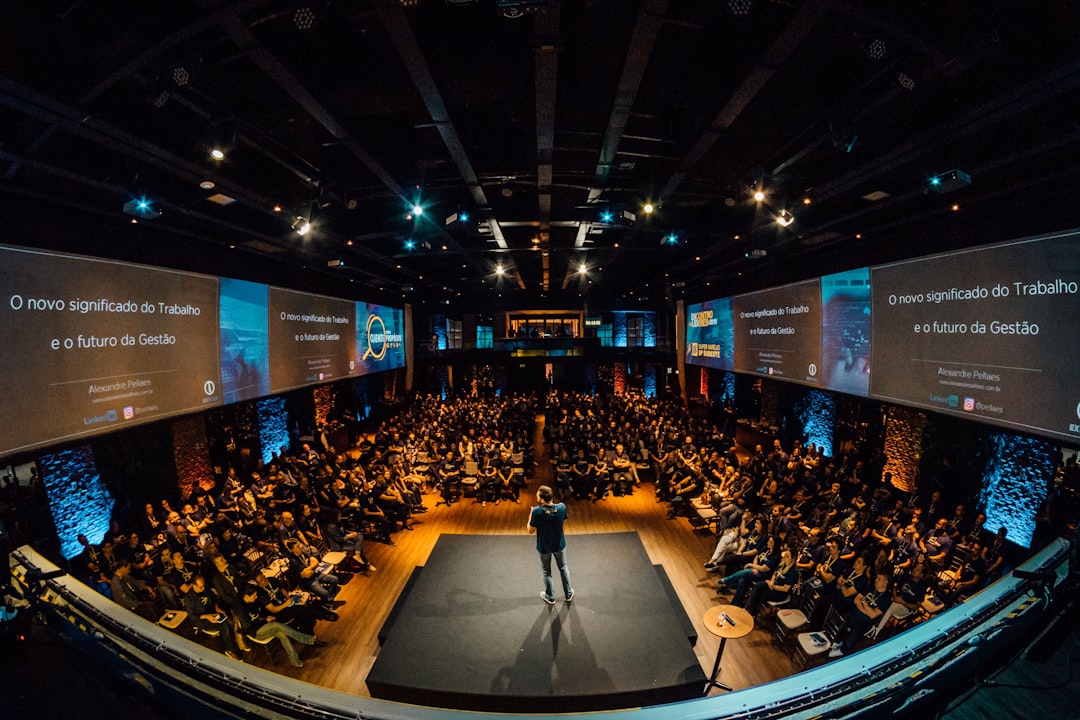
Modern church lighting incorporates both tradition and innovation. While natural light still plays a role through stained glass and high windows, artificial lighting must adapt to the varied needs of the space. From quiet weekday prayers to vibrant community events and seasonal services, versatility is key. Lighting designers often work closely with church communities to ensure that the final scheme respects the building’s heritage while meeting modern standards of efficiency and accessibility.
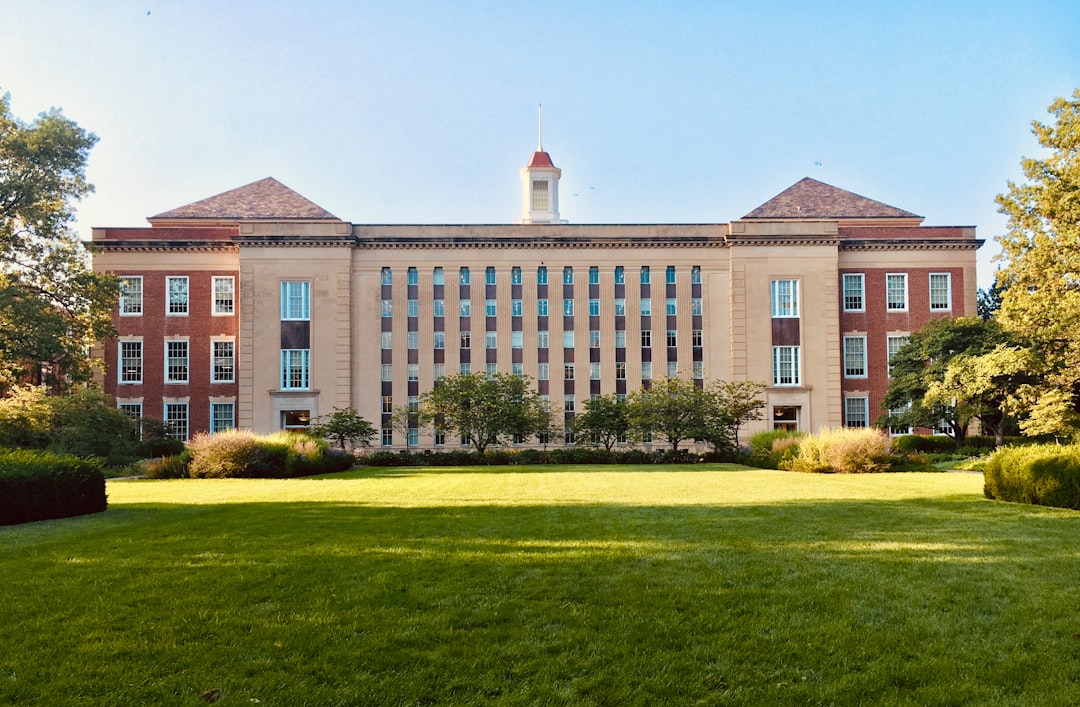
A thoughtful approach to church lighting involves balancing aesthetics with practicality. Illuminating architectural details such as vaulted ceilings, arches or altars brings emphasis to the spiritual narrative embedded in the design. In older churches, lighting can be used to subtly restore the grandeur of historic stonework or wood carvings, drawing attention to craftsmanship that might otherwise go unnoticed in dim conditions.
Energy efficiency and sustainability are now integral to lighting decisions. LED technology offers significant advantages, from lower running costs to enhanced control via dimming and colour temperature adjustments. These benefits are especially relevant in large or heritage-listed buildings where conservation and operational costs are key considerations. In many cases, lighting upgrades also improve safety and accessibility, ensuring that all members of the congregation can navigate the space comfortably.
When planning a new scheme, professionals often assess how different layers of light interact. Ambient lighting provides general illumination, while accent and task lighting are used to highlight focal points or support specific activities such as reading or music. The ability to adjust lighting levels ensures the church can adapt to different occasions without compromising its visual or spiritual identity.
For churches seeking to modernise their facilities while preserving tradition, working with experts who understand both the technical and emotional aspects of lighting is essential. The right design enhances worship, supports community events and extends the building’s usability without detracting from its sacred character. To explore professional solutions tailored to ecclesiastical settings, it’s helpful to consult resources like bespoke lighting design services which specialise in heritage and place-sensitive environments.
Ultimately, the goal of church lighting is to support the spiritual journey of those who enter. Whether through the gentle wash of light over a chancel or the dramatic focus on a stained-glass window, lighting becomes a silent partner in worship, guiding the eye and uplifting the spirit.