Coughing is a vital reflex that helps clear the airways of mucus, irritants and foreign particles. However, for individuals with neuromuscular disorders, spinal cord injuries or respiratory conditions, the ability to cough effectively can be severely impaired. When a person cannot generate the necessary force to expel mucus from the lungs, they become more susceptible to infections and respiratory complications. In such cases, assisted cough techniques become essential to support respiratory health and improve overall quality of life.
The process of an assisted cough involves techniques or devices that help increase the force of a cough when the body is unable to do so naturally. These techniques are often employed in rehabilitation settings or taught to caregivers and patients for home use. Physiotherapists and respiratory therapists play a crucial role in training patients and families on how to perform these techniques safely and effectively.
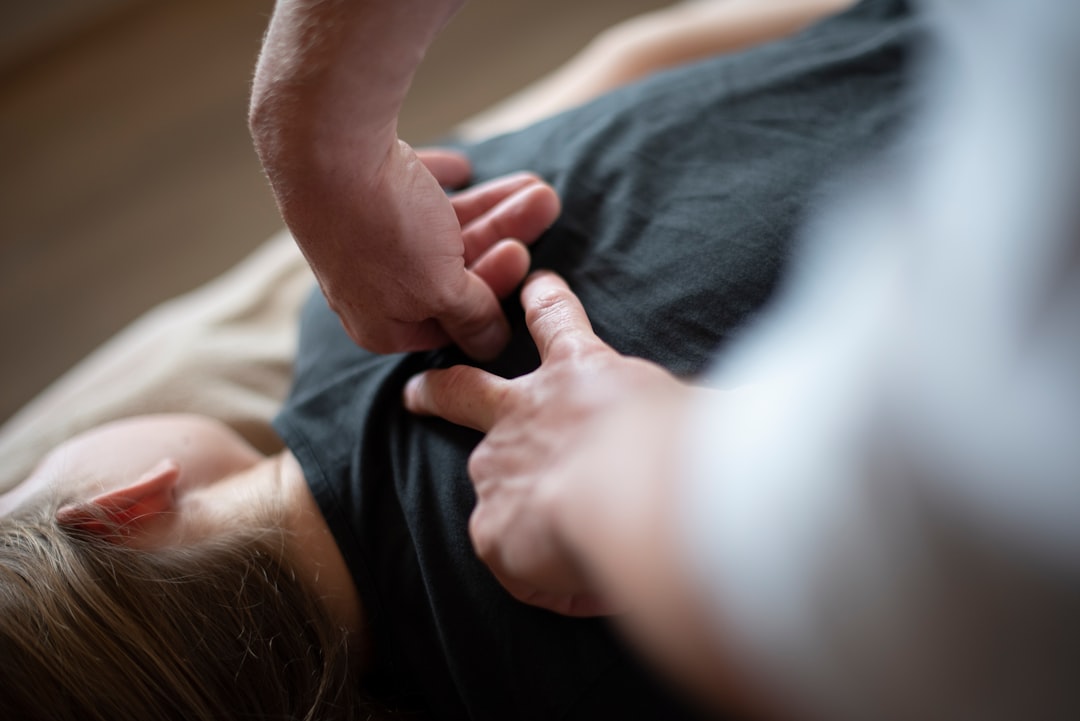
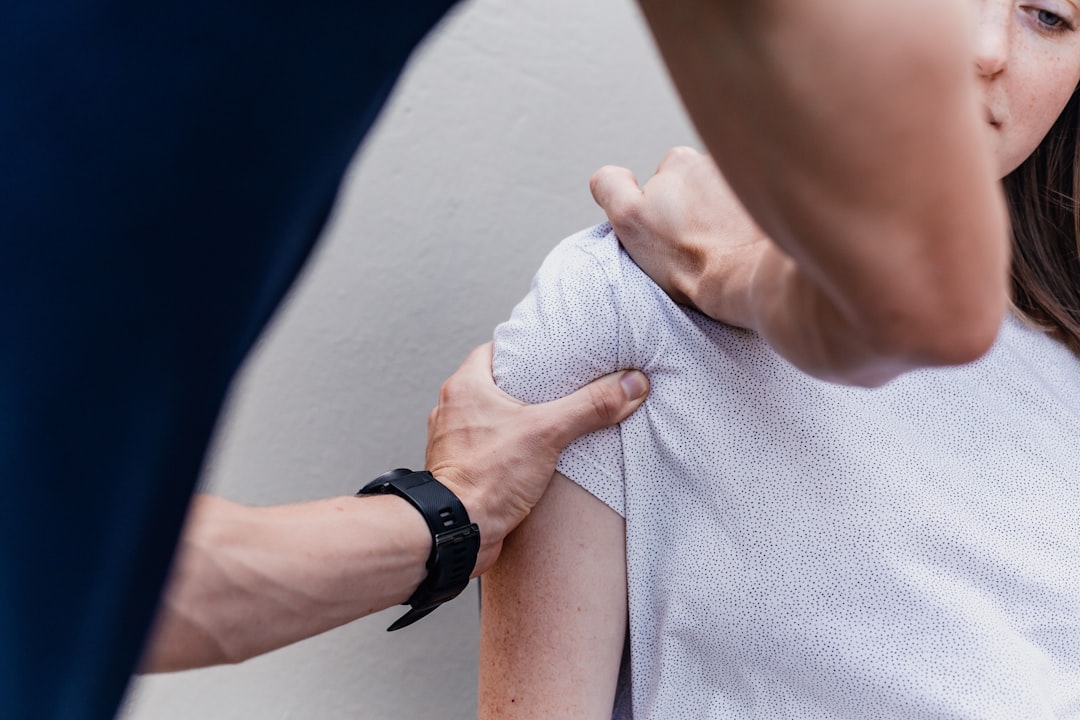
Manual assisted cough is one of the most commonly used methods. It involves applying external pressure to the abdomen or chest area during the expiratory phase of a cough. This pressure helps mimic the force of a natural cough and can be particularly useful for individuals with reduced muscle strength. The timing of the pressure is critical, and proper instruction from a trained professional is necessary to ensure the technique is both safe and effective.
In addition to manual methods, mechanical devices can also be used to support coughing. One such device is the mechanical insufflation-exsufflation machine, which simulates a natural cough by delivering a positive pressure breath followed by a rapid shift to negative pressure. This sudden change in pressure helps move mucus up through the airways, allowing it to be expelled more easily. This device is especially beneficial for individuals with progressive neuromuscular diseases who may require long-term cough assistance.
Another important aspect of managing impaired coughing is maintaining optimal lung function through regular physiotherapy. Techniques such as chest physiotherapy, postural drainage and breathing exercises help keep the lungs clear and promote better oxygen exchange. These methods are often used alongside assisted cough to provide a more comprehensive approach to respiratory care. For those seeking guidance on how to integrate these methods into a daily routine, professional input is invaluable. This is particularly true for individuals who rely on assist cough techniques to manage chronic respiratory conditions.
Education and support are key components in the successful use of assisted cough strategies. Carers and family members should be trained to recognise signs of respiratory distress and learn how to perform assisted coughing techniques appropriately. This not only empowers them to respond promptly during an emergency but also helps reduce the frequency of hospital visits for preventable respiratory issues.
Furthermore, it’s essential to develop a personalised respiratory care plan that considers the individual’s specific condition, lifestyle and goals. For example, someone with a high-level spinal cord injury may require a different approach compared to someone with muscular dystrophy. Tailoring the intervention ensures that the techniques and tools used align with the individual’s abilities and needs. Access to professional resources and ongoing follow-up can make a significant difference in achieving long-term respiratory stability.
In clinical practice, physiotherapists often work closely with other healthcare providers to monitor lung function and adapt assisted cough methods as patient needs evolve. This multidisciplinary approach ensures that the patient receives holistic care, addressing not just the physical but also the emotional and social aspects of living with a chronic condition. It also highlights the importance of continuity of care and regular assessment.
For those navigating these challenges, the right support can make all the difference. From accessing appropriate equipment to learning proper techniques, partnering with experienced professionals can provide the confidence and skills necessary to manage respiratory health effectively. More information on available resources and personalised care can be found through services that specialise in physiotherapy and respiratory management, such as respiratory physiotherapy support.
Ultimately, assisted cough techniques are more than just a clinical intervention. They are a means to improve comfort, reduce complications and enhance independence for individuals with compromised respiratory function. With appropriate training, equipment and guidance, patients and their caregivers can take an active role in maintaining respiratory wellness and preventing serious health issues.