
The AS/NZS 1158 series provides a framework for public lighting, with different parts addressing roads, pedestrian areas and related applications. The correct category depends on how a space is used and the risks created by its layout, rather than simply its posted speed. A quiet access street, a busy urban intersection and a shared path may therefore need different design treatments. Designers should confirm which parts of the standard apply, then record the reasoning behind the selected category. That paper trail helps the asset owner, electrical contractor and approving authority assess the proposal consistently.
Several technical terms are easier to understand when linked to what people experience. Illuminance describes the amount of light reaching a surface, while luminance describes how bright a road surface appears to an observer, particularly a driver. Uniformity is the evenness of lighting across the area; poor uniformity creates alternating bright and dark zones that can slow visual adjustment. Glare is unwanted brightness that reduces comfort or makes hazards harder to see. A design that produces a high average level can still perform poorly if it leaves shadowed areas, shines into homes or directs intense light towards approaching drivers.
Consider a suburban arterial road with a bus stop near a side street and a pedestrian crossing. The crossing may need careful attention to visibility from both directions, while the bus stop requires useful light around waiting and boarding areas without creating distracting reflections. Trees, signs and parked vehicles can change the result after construction. A computer model should therefore be checked against the actual site, including mounting height, pole spacing, carriageway width and nearby obstructions. If a proposed arrangement relies on future landscaping remaining low, that assumption belongs in the project records and maintenance plan.
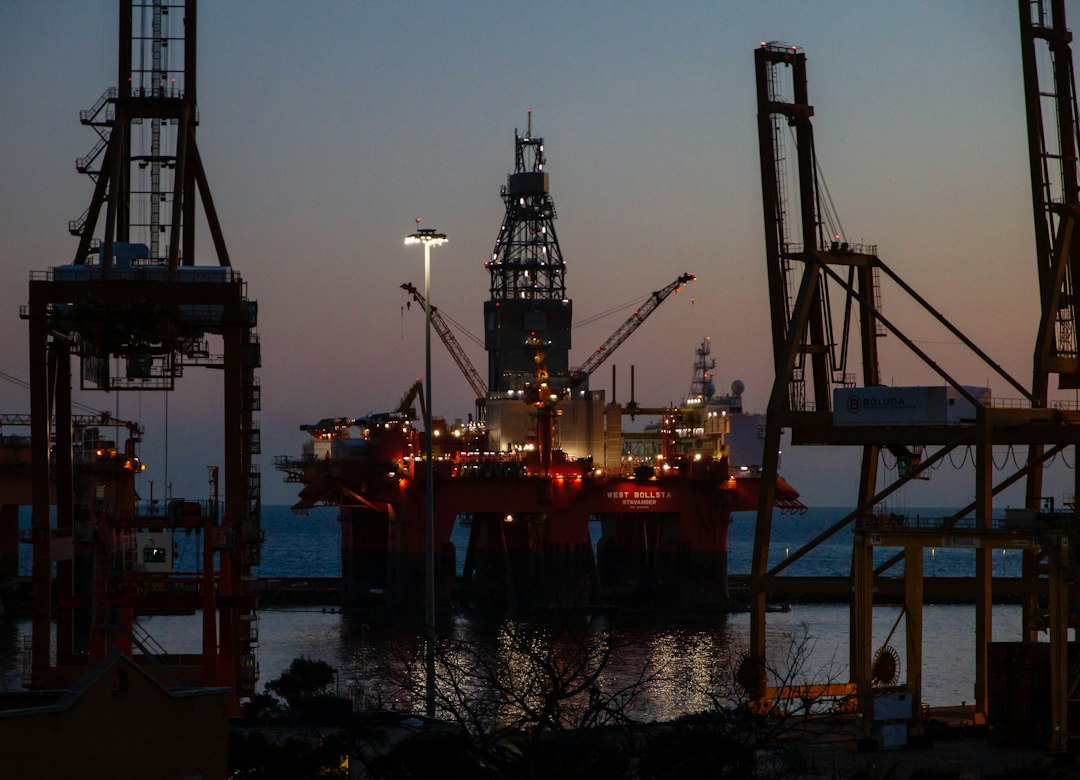
Industrial roads and regional routes can create a different set of choices. Long distances between power sources may influence pole positions, cable routes and voltage drop, while heavy vehicles, wide turning paths and limited pedestrian activity affect the lighting assessment. In some locations, underground electrical work is preferable for protection and appearance, but it still needs suitable access points, isolation arrangements and records of buried services. The lighting design should be coordinated with drainage, pavement works, communications and future widening, rather than treated as an isolated electrical package.
When choosing a provider, ask who will verify the lighting category, prepare the calculations, inspect installation quality and coordinate electrical supply works. A commercial electrical contractor with experience in underground power and industrial installations may be useful where road lighting connects with wider site infrastructure. For a project requiring AS/NZS 1158 lighting for roads, request drawings, assumptions, photometric data and a clear scope rather than accepting a fitting schedule alone. Also check that the proposed team understands local access constraints and can work safely around live roads.
Before handover, require evidence that the installed poles, brackets, cabling and controls match the approved design. Night inspections can reveal glare, dark areas, misaligned fittings or light spilling into neighbouring properties, while daytime checks can identify damaged equipment and unsafe access. Ask for updated drawings, circuit identification, test results, isolation information and a maintenance schedule. The contractor should explain how faults will be reported and how future changes, such as resurfacing or tree growth, will be assessed. Using a provider familiar with a commercial electrical project can help keep design, installation and ongoing support connected, but the documented performance requirements should remain the basis for acceptance.