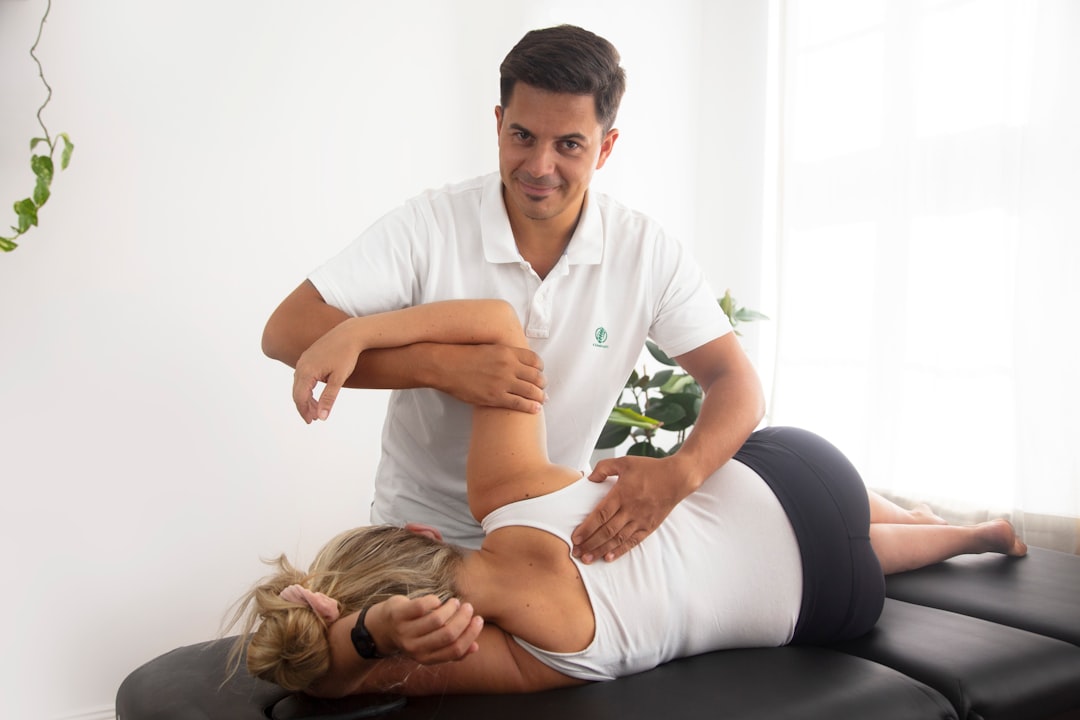
Anterior cruciate ligament (ACL) injuries are among the most common and debilitating knee injuries, particularly affecting athletes and active individuals. Recovery from an ACL tear is a multifaceted process, and physiotherapy plays a central role in regaining strength, mobility and function. Whether surgery is required or not, a carefully structured physiotherapy programme is crucial for optimal rehabilitation.
The ACL is a key stabilising ligament within the knee joint, and when it is torn, the knee often becomes unstable. This instability can affect daily activities as well as athletic performance. Physiotherapy aims to restore knee stability, improve range of motion, and rebuild the strength of the surrounding muscles. The treatment approach will vary depending on several factors, including the severity of the injury, the patient’s age, activity level and whether a surgical reconstruction is planned or has already occurred.
In the early stages following an ACL injury, physiotherapy focuses on reducing swelling and pain while gently restoring movement. Techniques such as manual therapy, ice application and gentle range-of-motion exercises are typically used. Gradually, as the pain subsides and swelling decreases, the emphasis shifts towards strengthening the muscles around the knee, particularly the quadriceps and hamstrings. These muscle groups are essential for knee stability and function, and their conditioning helps to compensate for the injured ligament.
A progressive, evidence-based rehabilitation plan is essential. Most modern protocols are divided into phases, each with specific goals and criteria for progression. For instance, early rehabilitation might involve simple exercises like leg raises, heel slides, and balance training. As the patient gains strength and confidence, more dynamic and sport-specific movements are introduced. This structured approach ensures that the knee is not overstressed too early, reducing the risk of re-injury.
Engagement with a skilled physiotherapist is vital during this process. They can tailor the rehabilitation programme to the individual, monitor progress, and make adjustments as needed. This personalised care is especially important in cases where surgery is part of the treatment plan. Post-operative physiotherapy typically begins within days after surgery and continues for several months. The goals include restoring full range of motion, rebuilding strength, and ensuring a safe return to physical activity. For detailed information about available services, you can explore acl injury physiotherapy options provided by professionals experienced in this area.
In some situations, non-surgical management may be appropriate, particularly for older adults or individuals with lower physical demands. In these cases, physiotherapy takes on an even more significant role. Through targeted exercises and activity modifications, many people can regain sufficient function without surgery. However, the decision between surgical and non-surgical treatment should always be made in consultation with medical professionals who understand the patient’s specific circumstances.
Regardless of the treatment path, consistency in physiotherapy is one of the most important factors influencing recovery outcomes. Patients who adhere to their rehabilitation programme are more likely to regain full function and return to previous activity levels. Education, motivation and support from the physiotherapy team are essential in maintaining this consistency over what is often a lengthy recovery timeline.
In addition to physical recovery, psychological readiness also plays a crucial role, particularly for athletes. Fear of re-injury, anxiety about performance, and lack of confidence can all hinder return to sport. A comprehensive physiotherapy approach will take these factors into account, offering support and guidance throughout the journey.
For those seeking guidance and structured rehabilitation plans, clinics that specialise in musculoskeletal conditions are well-equipped to help. These clinics focus on evidence-based care and personalised treatment pathways that support both recovery and long-term joint health. You can find more about these services through musculoskeletal physiotherapy experts who offer dedicated care for ACL and other orthopaedic injuries.
Overall, ACL injury physiotherapy is a cornerstone in the recovery journey, supporting both surgical and non-surgical paths. With expert guidance, structured rehabilitation and patient commitment, most individuals can look forward to returning to their active lifestyles with confidence.