
November 10, 2026

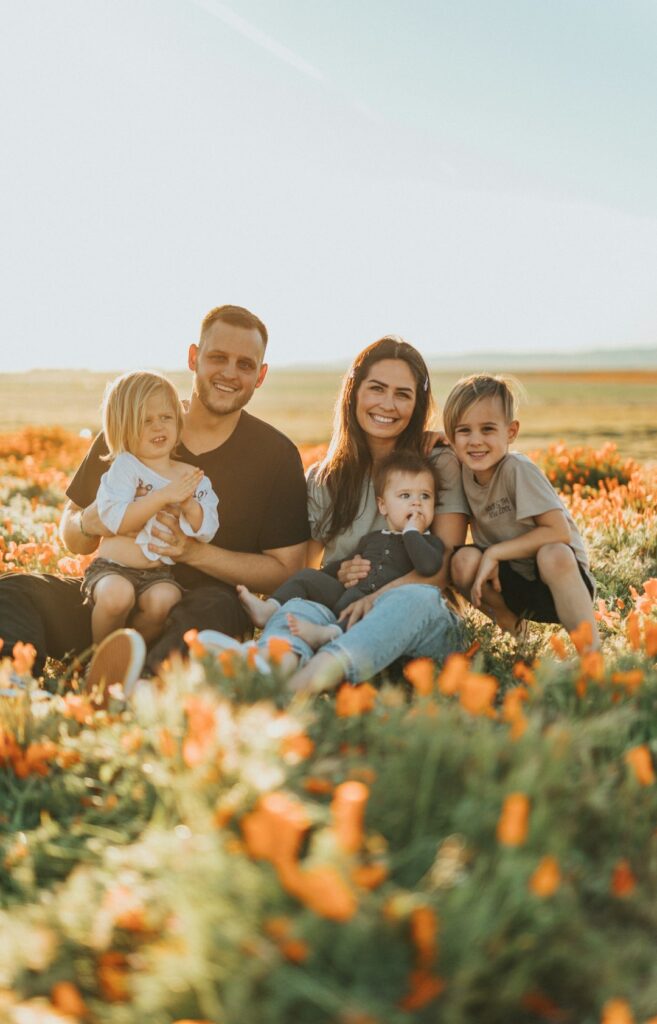
3 women and 2 men sitting on green grass field during daytime
IT

Family Photography San Diego: A Practical Guide

A successful family session begins with deciding how you want the photographs to feel. Relaxed beach images may suit a vacation, a young family, or relatives meeting for the first time. A more directed portrait session can be a better fit for an extended family, senior, graduation, engagement, or proposal. Review examples of Family Photography San Diego and look beyond the scenery. Notice whether expressions seem natural, whether the groupings feel comfortable, and whether the photographer captures both connection and clear individual faces. Photographers differ in how much direction they provide, so ask about that before booking. Some families appreciate specific instructions about where to stand, how to hold a child, and when to look toward the camera. Others would rather walk, talk, and let interactions develop with less interruption. A toddler may cooperate longer if the opening portion includes movement instead of a formal lineup. Ask how the photographer works with shy children, camera hesitant adults, and several generations. A flexible session can include a planned whole group portrait along with spontaneous moments between smaller groupings. The location should work for the people attending, not just look attractive online. A beach offers room to move and can be beautiful in soft evening light, but wind, sand, stairs, and a long walk from parking may exhaust young children or older relatives. A neighborhood park may provide paths, shade, benches, and easier restroom access. For a vacation session, check the meeting point in advance and allow time for traffic and parking. Ask what happens if crowds, strong wind, or unpleasant weather make the original setting impractical. Light affects both the mood and the detail in a photograph. Soft light, created by shade, cloud cover, or a lower sun, generally produces gentler shadows on faces. Backlighting puts the brightest source behind the family and may create a glow around hair, but the photographer must expose faces carefully. Exposure is the amount of light recorded by the camera. Too much can remove detail from pale shirts or bright sand, while too little can leave faces dull. Ask how the selected time and location support readable faces, especially if relatives will stand in several rows. Decide how much posing feels right for your group. A posed portrait asks everyone to hold a planned position and is useful for a complete family grouping or a framed print. A candid photograph records an interaction with limited visible direction, such as a parent straightening a collar or siblings running toward the water. Both types can belong in one gallery. Depth of field describes how much of the scene appears sharp from front to back. A shallow depth of field can draw attention to one person, while a deeper setting may keep multiple rows of relatives clear. Preparation should reduce interruptions without making the outing feel strict. Coordinate clothing by color and texture rather than requiring matching outfits, and select shoes that can handle the chosen location. Bring water, a small snack, sunscreen, tissues, and a brush for quick adjustments. One practical habit is to keep these items in a small bag that stays with one adult rather than scattering them among cars. Confirm the exact meeting point, session length, restroom access, and late arrival plan. A useful session preparation guide may also explain outfit planning and what to expect after the session. Before committing, compare the complete experience rather than the session price alone. Ask whether the photographer has handled your group size, how much direction is included, and whether retouching covers minor corrections or more extensive changes. Confirm when you will see proofs, how digital files or prints are delivered, and whether additional artwork can be ordered later. Clarify how image selection works, since some photographers guide families through favorites while others provide a preset collection. A vacation album may benefit from movement and location variety, while an extended family portrait may need balanced groupings and consistently visible faces.

plain white woven textile texture
Events

County Linen Services Guide

When a guest list grows and a venue confirms twelve tables, a household linen cupboard rarely provides what the event needs. Hiring from county linen services can be more practical than buying tablecloths and napkins for one occasion. Begin by asking the venue what it supplies, what you must provide and whether its staff will dress the tables. A wedding breakfast, village fundraiser and birthday party may need different levels of help. A suitable provider should explain those differences clearly, including what is included, what costs extra and what happens if arrangements change before the event. Start with measurements rather than colours. A tablecloth must cover the tabletop and provide a suitable drop, meaning the distance from the table edge towards the floor. A short cloth may look untidy, while an excessively long one could catch on shoes or chair legs. Ask the venue for each table’s length, width and shape. Round, trestle and banquet tables need different sizes, particularly when furniture is mixed. A simple room plan can prevent ordering errors. If the venue has not finalised its layout, request measurements for every likely table type before comparing fabrics or selecting a colour scheme. Fabric affects both appearance and practical handling. Cotton, polyester and blended materials vary in weight, texture, crease resistance and drying time. A heavier cloth may sit neatly, whereas a lighter one might be easier to carry and store. Colourfastness describes how well dyed fabric keeps its colour through washing and use, so ask how shades are checked when pale and dark items are combined. For a relaxed afternoon gathering, straightforward napkins may be enough. For a formal meal, matching cloths and napkins can create a consistent setting without requiring decoration on every surface. The service arrangements deserve the same attention as the linen itself. Laundering means washing and finishing used fabric, and may include pressing or folding so items arrive ready for use. Check whether the price covers delivery, collection, cleaning and the handling of stained pieces. Imagine a community hall hosting a charity dinner with no secure storage after the event. A collection the following morning could be more practical than leaving full bags in a corridor. Confirm access times in writing, especially if the venue has a restricted entrance, lift or several events taking place over one weekend. A useful quotation should list quantities instead of relying on a broad phrase such as full table dressing. State the number of cloths and napkins, table shapes, chosen colours and booking dates. Ask whether the charge is per item, per table or for the complete booking. Providers offering county linen services may cater for different event sizes, but availability still depends on the date and stock. If a hypothetical guest list rises from 80 to 96, the change could affect napkin numbers and table layouts. Share the latest plan promptly and ask how amendments are priced. Consider who will set everything out and clear it away. Some suppliers deliver folded linen only, while others place cloths and napkins on tables. These are separate services, so do not assume installation is included. Ask whether the team can work around caterers, decorations and place settings, and check the venue’s loading route. For example, a wedding delivery at 10am may clash with florists still using the room. A written schedule gives everyone time to correct a missing or damaged item before guests arrive. If you are comparing linen hire for events, compare the same preparation and delivery assumptions. Judge a provider by the questions it asks as well as by its catalogue. A careful discussion should cover measurements, access, cleaning, cancellation terms, damage handling and the condition expected when items are returned. Request fabric samples if colour matters, since screens and indoor lighting can make a shade appear different. For a modest party, folded delivery and self-service may suit the budget. A larger reception may justify table installation and a more detailed schedule. Before booking, place the quote, contact details and agreed timings alongside the venue plan, then confirm the final quantities close to the event without leaving changes until the last day.

Scroll to Top