
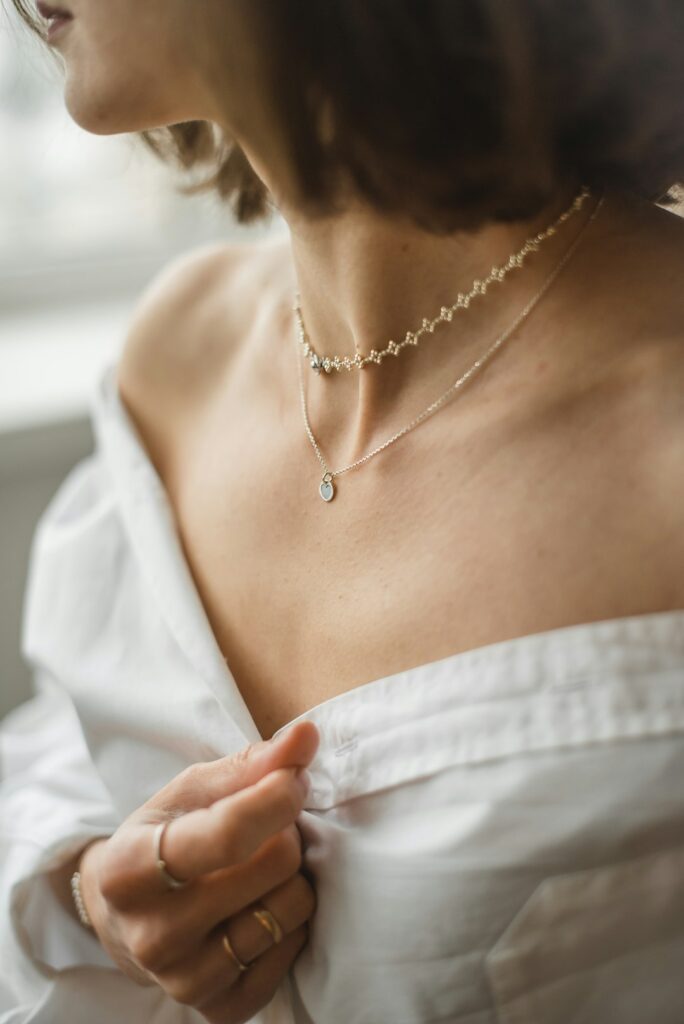
How to Renew Designer Jewelry Through Thoughtful Redesign
A piece can remain beautiful and still stop fitting your life. A necklace may have a chain that feels too formal, a brooch may sit untouched in a drawer, or a ring may no longer suit the way you dress. Redesign gives those materials a practical second use without erasing their history. Before suggesting changes, a jeweler should examine the settings, test the condition of the mount, and note which parts are sound enough to retain. The goal is not to make an old piece look new at any cost. It is to correct the features that keep you from wearing it. Start by gathering every component, including loose backs, spare links, and stones that may have been stored separately. An old receipt, appraisal, repair invoice, or branded box can help establish what the piece is and which alterations have already been made. Photograph the jewelry before handing it over, especially if several inherited items will be combined. A jeweler can then label each item and record its stones, metal marks, and visible damage. This small inventory prevents a family pendant from being confused with a similar piece and makes later decisions much easier. A brooch often offers more options than its original format suggests. Its central motif may become a pendant, a pair of earrings, or a removable element for a chain. The pin mechanism must be assessed rather than simply cut away, since removing it can affect the surrounding structure. If the new design will hang from a bail, the bail needs to suit the pendant’s weight and allow the piece to lie flat. repurposed designer jewelry can retain recognizable details while giving an inherited or dated object a role that matches current habits. Combining several pieces requires more than matching colors. Stones should be checked for dimensions, condition, and suitable settings before a design is drawn. A jeweler may recommend keeping stones from one collection together or separating them so the finished pieces do not look crowded. Metal color matters as well. Yellow gold, white gold, and platinum can create a deliberate contrast, but they may also require different joining and finishing methods. Confirm the intended metal and surface finish before fabrication. A quick sketch is useful, yet a measured drawing or a temporary model can reveal balance problems before any material is cut. A reset diamond or gemstone should be evaluated independently from its sentimental value. The stone may have chips, worn edges, or dimensions that limit the available settings. Prongs, bezels, and channel settings each expose the stone differently, so the choice should reflect how the jewelry will be worn. Someone who removes a ring while washing dishes may need a different design from someone who wears it continuously. Share those habits honestly. They affect the height of the setting, the protection around the stone, and the kind of clasp or band that is sensible. The chain is often the part that makes an otherwise appealing necklace feel dated. Replacing it can change the balance without altering the pendant. The jeweler should match the chain’s thickness and clasp to the pendant’s weight, then check how the bail moves along it. A pendant that flips over during normal movement may need a different bail position or a small stabilizing detail. Ask to see the chain beside the pendant under ordinary lighting, not only in a display case. That simple comparison can expose a mismatch in color, scale, or texture before the order is approved. A clear consultation should record what will be kept, removed, added, and returned. custom jewelry redesign consultation is most productive when you bring reference images, explain your budget range, and identify the pieces you wear most often. Ask whether the original parts will be retained, recycled, or handed back with the completed work. It is also sensible to confirm the proposed timeline, payment stages, and what happens if a stone proves unsuitable after cleaning. Written notes prevent a casual conversation about a lower profile or lighter chain from becoming an unexpected finished result. The final inspection should take place before the jewelry becomes part of your regular rotation. Check that clasps close firmly, earrings sit evenly, and a pendant does not tip when placed on a chain. Look for smooth edges that could catch on clothing, secure stones, and a finish that matches the agreed design. Keep any updated appraisal, care instructions, and unused original components with your jewelry records. A habit of storing each redesigned item in its own soft compartment also protects delicate surfaces and reduces tangles, making the piece easier to wear often rather than returning it to the back of the box.