

September 28, 2026

a brown and white dog sitting on top of a wooden deck
Construction

How to Fit a Sweater on a Pitbull

A sweater that looks generous in a product photo can pull across a pitbull’s chest, twist behind the legs, or extend well beyond the tail. Weight alone does not explain the mismatch. Pitbulls can have very different rib cages, necks, shoulder widths, and back lengths even at the same body weight. Start by deciding what the garment is for. A light layer for a brief walk may sit close to the body, while outerwear for a slower outing may need space for movement and a thin layer underneath. Measurements, construction, and intended use matter more than a small, medium, or large label. Take measurements before opening a size chart. Use a soft tape and record the chest girth at the broadest part of the rib cage, generally just behind the front legs. Keep the tape level and snug, but do not compress the coat or skin. Measure the neck where a collar normally rests, then measure the back from the base of the neck to the point where the sweater should finish, often near the tail base. Write the numbers down rather than relying on memory. Compare all three with the seller’s chart, and use pitbull size sweaters as a starting point only after you have the dog’s actual measurements. Fit involves both coverage and ease. Coverage is the area protected by the garment. Ease is the small amount of room that lets the dog breathe, turn, and move without fabric pressing into the body. Too little room can limit shoulder action when the dog climbs stairs or plays. Excess room can bunch under the chest, catch on furniture, or allow cold air to enter. As a practical indoor check, try sliding two fingers beneath the neck and chest openings, then watch the sweater while the dog walks, sits, lies down, and turns. The fabric should stay in position without squeezing. Body shape can make two dogs with identical weights need different cuts. A broad-chested adult may match the chest measurement for one size but have a shorter back than that garment was designed for. A lean young dog can gain shoulder width during growth, making an older sweater restrictive even if the scale shows little change. A 55-pound dog with a deep rib cage may need a different pattern from a 55-pound dog with a narrower chest. Check whether the chart lists garment measurements or recommended dog measurements. Those are not interchangeable, and confusing them is a frequent source of returns. Fabric determines how much tolerance the fit has. Stretch describes how readily the material expands, while recovery refers to how well it returns to its original shape. A knit with useful stretch may accommodate a broad chest, but repeated washing can leave it looser if the material does not recover well. A firm fabric may hold its shape longer and require more accurate measuring. Look for care instructions, fiber information, and notes about breathability or water resistance. A soft indoor layer can suit a drafty room, but a sweater by itself may not protect a dog adequately during rain or prolonged wet weather. Consider the dog’s routine before placing an order. For a 20-minute evening walk, a dog that pulls on the leash needs clear shoulder movement and front leg openings that do not rub. If the dog wears a harness, check whether the garment is designed to go over it. Measuring with the harness in place makes sense only for that type of design; otherwise, the added bulk can produce a misleadingly tight fit. For a short-haired pitbull resting near a cold floor or drafty window, a close, soft layer may be comfortable. Remove it if the dog pants heavily, seems restless, or repeatedly tries to escape the garment. A size chart deserves the same careful reading as the washing label. Note whether the listed figures describe the dog, the finished sweater, or a range with room already included. If the dog falls between sizes, compare chest and neck first, then inspect the design for adjustable straps, flexible panels, or a forgiving knit. A quick habit that prevents rework is to measure twice, once while the dog is standing naturally and again after a short break. Keep the larger reliable measurement and review the return terms before ordering. For another reference, measuring a dog for sweaters can help clarify the process. Care can change the fit after only a few washes. Follow the stated water temperature and drying method, since heat may shrink some materials while repeated stretching can loosen others. After laundering, inspect the neck, seams, belly panel, and leg openings for distortion or loose threads. A dog that chews clothing or catches it on a crate needs especially close supervision. Test a new sweater indoors for several minutes before taking it outside, and watch the dog’s gait rather than checking only whether the garment looks neat. Keep it only if the dog can walk, sit, lie down, urinate, and use the harness safely, with no rubbing or restricted movement.
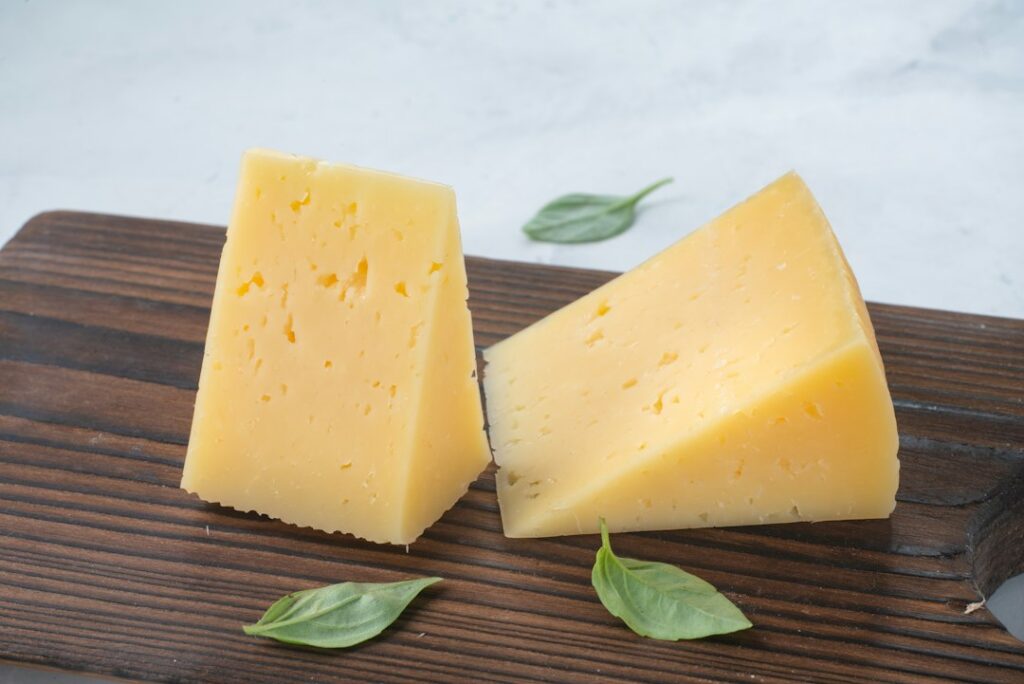
a couple of pieces of cheese sitting on top of a wooden cutting board
IT

Vegan Cheese in the UK: Taste and Texture

A dairy-free guest need not be left with crackers and fruit while everyone else shares the cheese board. The useful starting point is to stop treating vegan cheese as one category with one expected result. Products vary in firmness, acidity, saltiness, richness and heat response. A cultured soft cheese may be made for spreading on a cracker, while a firmer slice may be more suitable for a sandwich. A product can be successful without copying a particular dairy cheese exactly. Its ingredients and intended use matter more than a simple test of resemblance. Plant-based cheese can draw structure from nuts, coconut, seeds, legumes or vegetable oils, and each base affects the finished texture. Nut-based products may have a dense, rounded mouthfeel, while oil-based recipes can be smoother but less substantial. A label describing something as creamy does not necessarily mean it is suitable for grating. It may be designed for toast, crackers or a dip. Before buying several varieties, check whether the maker describes the product as a spread, slice, block or cooking ingredient. A range such as these best vegan cheese uk options is easier to assess by format and intended use than by name alone. Fermentation is another source of confusion. Culturing can introduce acidity and savoury depth, but the word does not guarantee a long-aged flavour or a particularly sharp finish. Some products use cultured ingredients, while others obtain their character from salt, nutritional yeast, spices or acids such as lemon juice. A mild fresh spread may work well on breakfast toast, where stronger flavours could be distracting. A more assertive style may sit comfortably beside pickles, mustard or a strongly flavoured chutney. Taste a small amount on its own, then taste it again with the food planned for the board. Creaminess and melting are separate properties. A cheese can feel rich and smooth at room temperature yet remain fairly stable over heat. Emulsification affects how fat and water combine and how the product feels in the mouth. Melting depends on the particular balance of moisture, fats, starches and other ingredients. Some products loosen into a sauce, while others soften without becoming stretchy. For pasta, add the cheese near the end, stir steadily and use a little of the cooking water to adjust the consistency. Direct high heat can cause certain recipes to separate or become grainy, so a gentle pan is usually a safer first attempt. A dairy-free toastie shows why preparation matters as much as the product. A thick filling in a dry sandwich may stay firm in the centre while the bread browns too quickly. A thinner layer, slightly softer bread and a little chutney can produce a more balanced result. Pan temperature also matters, especially with slices that soften gradually rather than flow. Take the cheese from the refrigerator before assembling if the instructions allow it, and watch the bread rather than waiting for a dramatic cheese pull. Different fats soften at different temperatures, so a block that seems hard when chilled may become easy to spread after a short rest on the worktop. Nutrition should be assessed from the back of the pack, not from assumptions about the word vegan. Some recipes contain protein from nuts, seeds or legumes, while others are mainly formulated for texture and flavour. Salt can be prominent, particularly in products intended to provide a savoury cheese-like taste. Coconut-based versions may also contain a meaningful amount of saturated fat. Serving size changes the overall nutritional picture, so compare the ingredient list and nutrition panel before making a regular purchase. Check allergen information carefully as well. Nuts, soya and wheat may appear in plant-based recipes, and a shared-facility statement matters for anyone managing an allergy. A blue-style product can be enjoyable with pears and toasted walnuts, but its name alone does not tell you how forceful it will taste. The flavour may come from cultures, acidity, spices or other savoury ingredients, and the result can be gentle, salty or quite assertive. Taste it before building an entire board around it. Put a small piece beside the fruit, then add the nuts and a plain cracker to see whether the combination remains balanced. The same approach works with a named range such as the Camden Collection. A source describing its selection as award-winning, including Brixton Blue, offers a point of reference, not a guarantee that every style will suit every guest. The setting should guide the purchase. For a grazing board, combine contrasting textures and include something acidic, such as pickles or fruit, to offset rich crackers and nuts. For cooking, check whether the product is described as a spread, slice or sauce ingredient, then add it gradually and control the heat. A mild style is often a sensible option for children or cautious guests, while experienced tasters may prefer a sharper, more savoury profile. Serve soft varieties after they have had enough time to become spreadable, keep firm styles cool enough to slice cleanly, and use this plant-based cheese range according to its format rather than expecting every product to perform the same way.

Scroll to Top