
How Does Secretion Clearance Work?
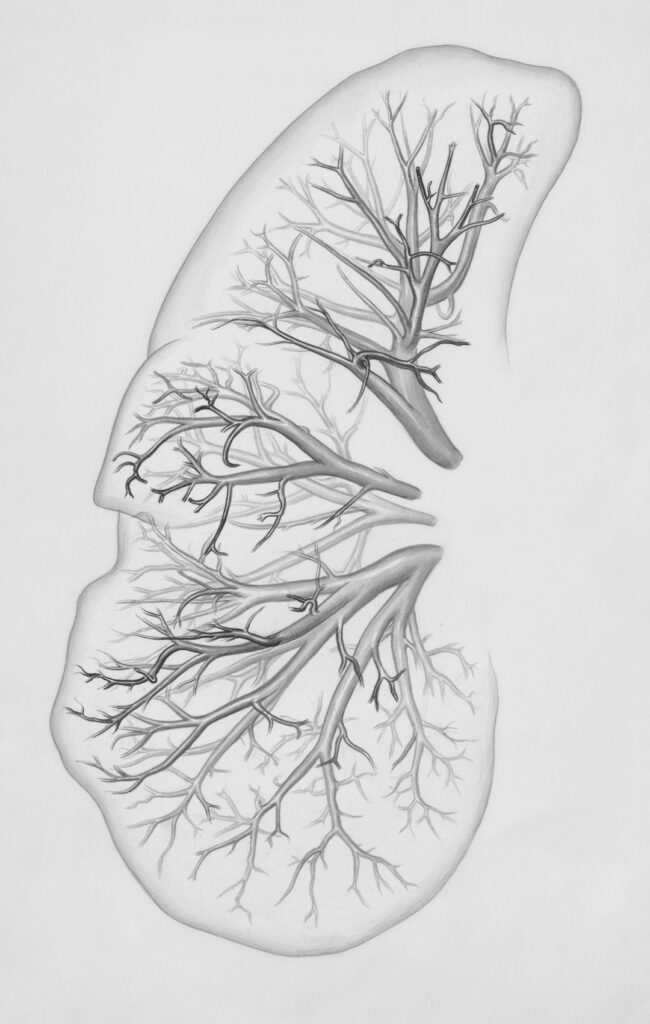
A wet cough does not always mean that mucus is coming out effectively. After a chest infection, during a flare of a long term lung condition, or after a period of weakness and bed rest, secretions can remain in the airways despite repeated coughing. Secretion clearance is the process of helping mucus move towards the throat and out of the lungs. The aim is not to produce the loudest cough. Repeated forceful coughing can increase fatigue, irritate sensitive airways, and leave a person too breathless to use a useful technique. Treatment works best when it matches the person’s strength, breathing pattern, and medical condition. Mucus normally traps particles and organisms, while cilia, which are tiny moving structures lining parts of the airways, help carry it upwards. Infection, inflammation, dehydration, reduced activity, and damaged airways can interfere with that process. Secretions may then become thicker or sit in smaller airways that are harder to clear. A clinician assessing secretion clearance may ask about the colour and amount of sputum, listen to the chest, observe breathing effort, and check how well the person can cough. They may also review the medication list, oxygen instructions, recent discharge paperwork, and any swallowing concerns before recommending a technique. A frequently used approach is the active cycle of breathing techniques. It usually combines a period of relaxed breathing, several controlled deeper breaths, and a huff. During a huff, the person breathes out firmly through an open mouth, similar to misting a mirror, rather than closing the throat for a hard cough. Deeper breaths may help air reach areas behind mucus, while the faster outward flow of a huff can move secretions into larger airways. The sequence is not meant to be performed continuously. Resting between cycles can prevent dizziness, wheezing, or exhaustion, and a clinician may alter the depth or number of breaths for someone with irritable airways. Posture affects both breathing and coughing. Sitting upright with the feet supported often gives the diaphragm more room to work and makes it easier to coordinate a breath with a huff. A person may need to loosen tight clothing, remove a restrictive bed rail position, or take a few quiet breaths before starting. Side lying and other drainage positions may be considered for selected patients, but they are not routine instructions for everyone. Reflux, pain, recent surgery, low blood pressure, heart disease, oxygen needs, and the risk of vomiting can all change what is safe. A flat position may be particularly unhelpful for someone who is already short of breath or prone to reflux. A physiotherapist may consider equipment or assisted methods if breathing exercises alone are not enough. Oscillating devices create repeated pressure changes during breathing out and may help some people loosen or move sputum, although correct resistance and technique matter. An assisted cough can support a person whose abdominal or breathing muscles are weak. This may involve manual assistance or a prescribed mechanical method, depending on the condition and local clinical practice. Suction is different because it involves placing a catheter in the airway and should only be performed by someone trained to assess the need, use the equipment, and respond to complications. More force or more treatment is not automatically safer. Weakness can be the main barrier even when the lungs are producing an ordinary amount of mucus. For example, a person with a neurological condition may take a reasonable breath but fail to generate enough airflow for an effective cough. A clinician might then assess breath stacking, cough assistance, posture, and the timing of rest periods. Breath stacking involves taking several controlled breaths to build a larger volume before coughing, but it is not appropriate for every person. The practitioner should also check whether fatigue is building across the session. A simple record of the person’s usual cough, oxygen use, sputum changes, and recovery time can make follow up more useful than relying on memory. Fluids may help keep secretions less sticky for some people, but increasing drinks is not a universal instruction. Kidney disease, heart failure, swallowing impairment, and prescribed fluid limits must be considered first. Someone who coughs while drinking, has a wet voice after meals, or repeatedly develops chest infections may need a swallowing assessment rather than more forceful airway exercises. In the home, it is sensible to keep prescribed inhalers, oxygen guidance, and the latest discharge instructions together so that a visiting clinician can check them before treatment. Timing clearance after a rest period, rather than immediately after a tiring shower or meal, may also make the session more manageable. Seek prompt medical assessment for rapidly increasing breathlessness, chest pain, coughing blood, confusion, blue or grey lips, a major change in sputum, or an inability to maintain usual activity. A person who cannot speak comfortably, stay alert, or recover after a short effort may need urgent care rather than a home exercise session. Home respiratory physiotherapy can be useful for people who cannot travel easily, including those recovering from illness or living with ongoing weakness, but it does not replace emergency treatment. A visit may instead focus on safe positioning, home respiratory physiotherapy, equipment checks, caregiver instruction, and a clear plan for what to do if the cough becomes less effective.