
August 14, 2026

black Mizu stainless steel tumbler
Home Improvement

Precision Pouring with Measuring Bottles

In a fast-paced kitchen, every second counts. A chef prepping for dinner rush knows that accuracy in measuring ingredients can make or break a dish. One evening, a cook hurriedly grabbed a standard measuring cup to add oil to a salad dressing. The result? An unbalanced flavor that customers noticed immediately. Mistakes like this often come down to the tools used. Relying on basic cups can lead to guesswork and uneven results, especially when the kitchen is under pressure. Traditional measuring devices rely heavily on technique. Reading volume lines at eye level, holding containers steady, and avoiding spills all require focus that’s hard to maintain during busy shifts. Many cooks misinterpret measurement marks or fill slightly over or under the line, causing inconsistency. Also, volume-only measurements can be misleading because liquids vary in density and temperature. These factors contribute to variations that affect the final product’s quality. To tackle these problems, some kitchens have turned to the tip n pour measuring bottle. This tool combines measuring and pouring into one motion, reducing the chances of spillage or over-pouring. The bottle’s clear markings make it easy to see exactly how much liquid is inside without having to stop and check repeatedly. Its shape fits naturally in the hand, reducing fatigue during long prep hours. Durability matters just as much as accuracy. These bottles are made from materials resistant to cracking and staining from oils or acidic liquids. They stand up well to daily washing without clouding or warping. This longevity means fewer replacements and less downtime hunting for lost or broken measuring tools. Many kitchens find it practical to have several on hand, each dedicated to different types of liquids to prevent cross-contamination. Precision pouring isn’t limited to cooking. Laboratories, for example, require exact liquid measurements for chemical mixes. Traditional measuring methods might introduce errors that throw off experiments or product batches. In these settings, using specialized bottles with accurate gradations helps maintain consistency and reliability in results. These bottles also fit well in creative workshops where mixing paints or adhesives requires precise ratios. Using them prevents waste and ensures materials react correctly. Artists and craftsmen often rely on steady pouring tools to avoid messes and ensure their projects turn out as planned. Business owners focused on quality and efficiency understand the value of investing in reliable measuring equipment. It streamlines work, cuts down on mistakes, and promotes uniformity across batches. Switching to devices like the tip n pour measuring bottle can improve daily operations noticeably. Staff adapt quickly to tools that feel comfortable and reduce extra steps, which helps maintain pace without sacrificing accuracy. For anyone who handles liquids regularly, choosing a well-designed measuring bottle makes sense. Look for features like easy-to-read increments, ergonomic grips, and sturdy construction that stands up to frequent use. Also, consider how simple it is to clean the bottle after use since residue buildup can affect future measurements. Ultimately, precise pouring depends on having the right gear combined with good habits. Checking measurements twice before adding them, designating specific bottles for certain liquids, and cleaning tools thoroughly after each use are small steps that prevent bigger problems later. Tools like these don’t just save time, they help maintain consistency and customer satisfaction every day. Visit measuring bottle options for professionals for more information on products designed with practical needs in mind.

a group of people in a room with a projector screen
Business

Effective Supervisor Training in Canberra

Supervisors often face pressure juggling team management with compliance demands. Without clear guidance, confusion spreads, and morale can tank fast. This is especially true in workplaces where industrial relations rules matter. Proper training gives supervisors the tools to handle employee concerns, interpret workplace agreements, and manage disputes calmly. It’s about more than just ticking boxes; it’s about giving supervisors the confidence to lead well. Adelhelm Australia offers a practical approach to industrial relations that cuts through jargon. Their IR Skills for Frontline Managers and Supervisors workshop focuses on real-world situations like handling grievances or ensuring legal compliance. Participants practice responding to common workplace issues, which helps reduce miscommunication and prevents small problems from escalating. A key part of training is mastering strategic industrial relations management. Supervisors learn how to keep the lines open between staff and management, which often means negotiating solutions that work for everyone. Techniques like mediation and conflict resolution are core skills taught here. For instance, a supervisor might learn how to de-escalate a heated dispute by focusing on facts rather than emotions, an approach that keeps teams functional. One practical service offered is the free agreement audit. Workplaces frequently update policies or restructure teams, but existing agreements often lag behind these changes. An audit spots outdated clauses or compliance gaps early. This helps supervisors stay informed on their responsibilities and avoid unnecessary conflicts caused by misunderstood or obsolete terms. The Enterprise Bargaining: The Essential Steps for Business Professionals program goes deeper into preparing for bargaining sessions. Supervisors learn how to gather relevant data, set clear objectives, and communicate their team’s needs effectively without losing sight of company goals. This preparation reduces surprises during negotiations and helps maintain a cooperative atmosphere. For tougher negotiations, workshops like Tactical Bargaining introduce advanced strategies. Supervisors practice anticipating counteroffers and framing proposals to maintain leverage. These tactics are especially useful when dealing with unions or formal employee representatives, where stakes and tensions can be higher than usual. Businesses investing in solid supervisor training often notice better staff engagement and lower turnover rates. Supervisors who understand their roles thoroughly tend to support their teams more actively. That support translates into employees feeling respected and motivated. A practical habit many successful supervisors adopt is regularly reviewing team feedback forms and addressing concerns promptly before they fester. Companies aiming to strengthen their supervisory teams should consider programs like supervisor training canberra. These courses focus on the real challenges supervisors face daily, from compliance checks to dispute resolution. Keeping leadership skills up-to-date is necessary as workplace laws shift and organisational needs evolve. Ongoing development for supervisors isn’t just about fixing problems after they arise. It’s about building skills that prevent issues from occurring in the first place. Training that covers everything from basic legal requirements to advanced bargaining techniques helps businesses keep ahead of potential disputes while improving communication channels across teams. For those seeking tailored advice on workplace relations matters, workplace relations support services can provide practical guidance focused on current regulations.

interior of rustic cafe with wooden tables
IT

Top Lower East Side Dining Spots

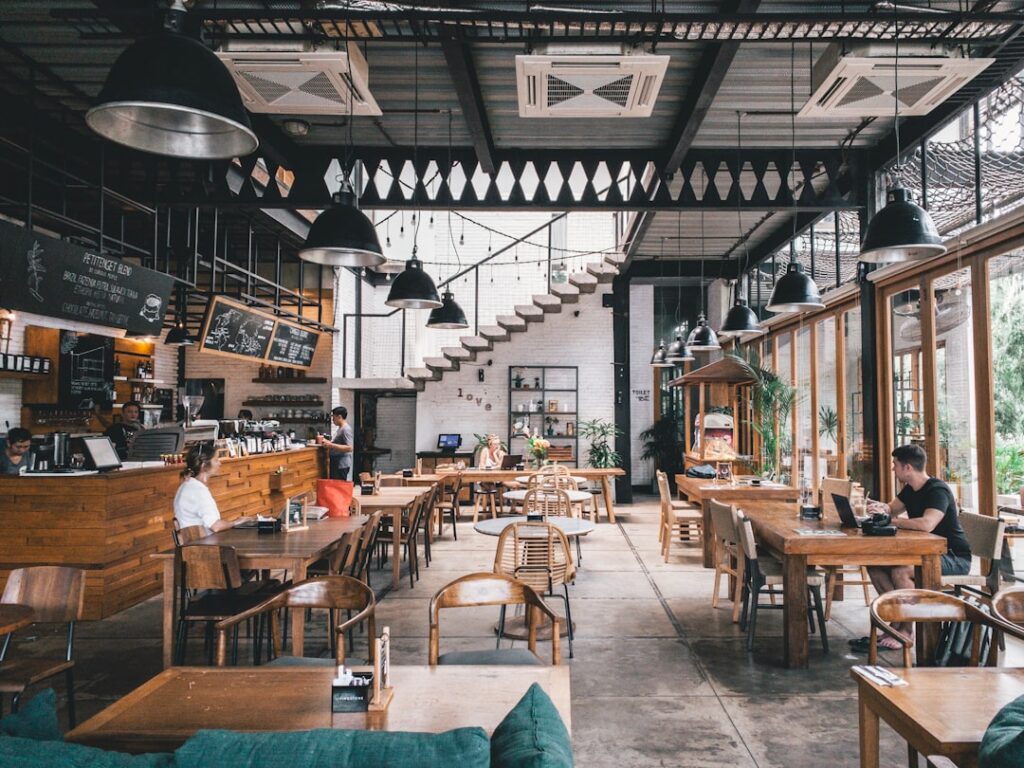
The Lower East Side is packed with dining options that span classic delis to fresh, inventive Australian-style brunches. If you want a spot that nails coffee and elevated comfort food, there’s a place here that fits the bill. It pairs a warm, relaxed vibe with attentive service, making it a solid choice for a weekend hangout or a casual meet-up. The decor is straightforward but welcoming, reflecting the neighborhood’s unpretentious character. It’s the kind of place where you can settle in without fuss and enjoy a meal that feels both familiar and a bit special. Consider what kind of meal you’re after before picking your spot. The area offers everything from laid-back brunches to dinners that lean toward the formal side. Group gatherings often require a bit of extra planning, and many venues here understand that. They offer spaces that can handle crowds without losing the intimate feel. Cocktails are usually well thought out, with creative twists on classics, which adds something extra to your dining experience. If you’re organizing a private event, several places in the neighborhood make it straightforward. They have packages that include customizable menus and dedicated rooms or sections for your group. This takes a lot of the stress out of planning, especially if you’re juggling other tasks. It’s common to find menus tailored to dietary preferences or themed events. Booking ahead is key since spots fill up quickly, especially on weekends or holidays. Coffee enthusiasts should note that many Lower East Side eateries source their beans locally and roast with care. You’ll often find single-origin options alongside staple espresso drinks. Pairing these with fresh pastries or breakfast items inspired by Australian café culture is common, offering a balance of flavors that feels thoughtful, not random. Baristas here tend to know their craft well and won’t hesitate to adjust drinks if you ask for something specific. For those who like variety at home, some cafes offer coffee subscriptions. These allow you to sample different blends on your own schedule without running out of beans. It’s a practical way to support local roasters while keeping mornings interesting. Subscriptions often include brewing tips or tasting notes, which can help refine your palate over time. Regular customers sometimes swap recommendations on online forums or community boards dedicated to LES coffee culture. Local media often shines a spotlight on standout restaurants and upcoming food events in this neighborhood. Articles and reviews can point you toward spots gaining buzz or seasonal menus worth trying. It’s worth checking these out before heading out since the scene shifts fairly often. Word of mouth also plays a big role here; asking locals or staff about hidden gems can lead to surprising finds that don’t always make headlines. Whether you’re after a solid brunch or an evening meal with friends, the Lower East Side offers plenty of options that fit different moods and budgets. From small cafés with artisanal coffee to restaurants serving dishes that push traditional boundaries, the neighborhood continues to evolve while keeping its authentic edge. For detailed recommendations and insights into standout venues, see this guide to best restaurants lower east side. Dining here is about more than just food, it’s about the neighborhood’s energy and character. Gather a group, stroll the streets, and take in the mix of old-school charm and new culinary ideas. For more information on various dining spots and services available in the area, visit local food culture resources.

Scroll to Top