
AFL Physio: Expert Care for Recovery
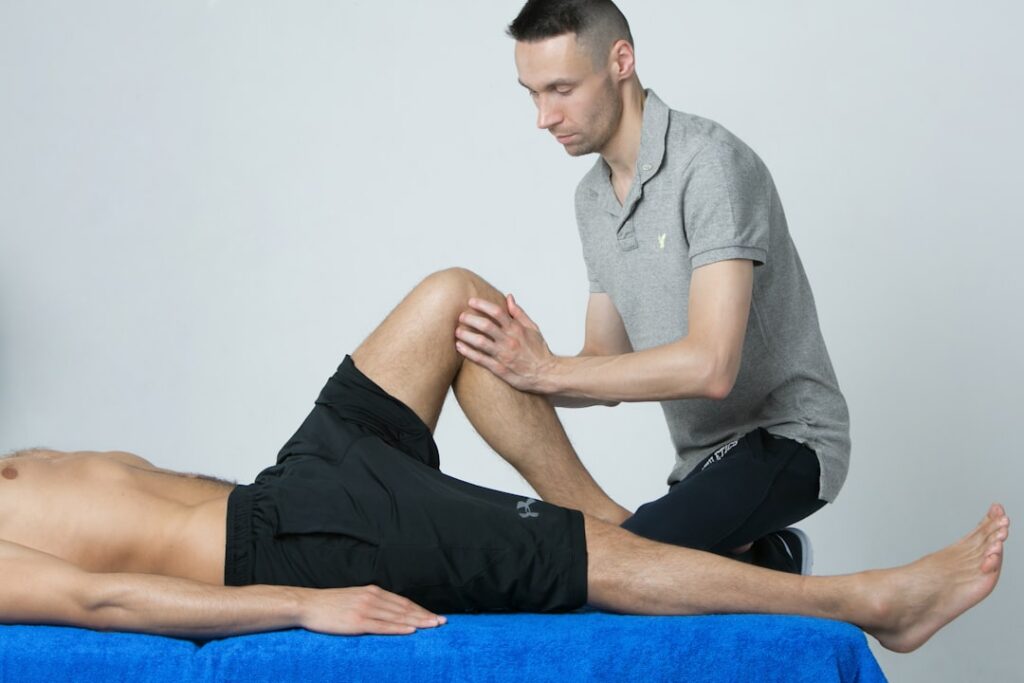
If you’re an amateur football player dealing with a sprain sustained during a match, the immediate pain and frustration can be intense. Returning to the field quickly matters, but rushing without proper care risks worsening the injury. That’s where specialised AFL physio services come in. They offer recovery plans tailored to your injury and sport-specific demands, focusing on regaining strength and mobility efficiently. Sports physiotherapy covers a range of injuries common in AFL players, such as hamstring strains, knee ligament sprains, and shoulder dislocations. A physiotherapist will perform a detailed examination, often assessing joint stability and muscle imbalances, to create a rehab plan suited to your situation. Techniques include manual therapy for pain relief, strengthening exercises targeting affected muscles, and advice on recovery habits like proper icing and rest intervals. For example, hamstring strains require more than just rest. Your physiotherapist might guide you through progressive loading exercises to rebuild muscle endurance and flexibility. They’ll also check your running form to prevent future injuries. It’s common for athletes to underestimate subtle tightness or discomfort, so regular check-ins help adjust treatment before problems escalate. Your first step is an assessment appointment where goals and injury details are discussed openly. Expect tests of your range of motion, strength, and functional movement patterns. From here, the physio develops a program combining hands-on treatments with targeted exercises. They’ll also educate you on avoiding bad habits that can delay healing, like overdoing activity too soon or skipping warm-ups. Pro Performance Physiotherapy offers more than just sports injury care. They provide pre- and post-surgical rehab designed to restore function after operations common in AFL injuries. Exercise physiology services help improve overall conditioning, while remedial massage aids muscle recovery by reducing tension and improving blood flow after tough training sessions. A gradual return to sport is critical. Physiotherapists use step-by-step protocols that increase training intensity while monitoring for pain or setbacks. Reintroducing skills and drills cautiously prevents re-injury. Strength and conditioning plans complement this by focusing on vulnerable areas such as hips and core to build resilience against future damage. If you want practical advice on managing injuries or enhancing performance, seek out clinicians familiar with AFL’s physical demands. They’ll guide you through realistic recovery timelines and help avoid common mistakes like pushing through pain or neglecting rehab exercises. Booking with experienced professionals sets a solid foundation for safe return to play. Check out afl physio services designed specifically for these needs. Those interested in broader physiotherapy options alongside sports-focused care will find providers offering integrated treatments under one roof beneficial. This approach supports ongoing wellness, combining injury management with general physical health strategies. For more information on available therapies, visit physical therapy and rehabilitation options.