
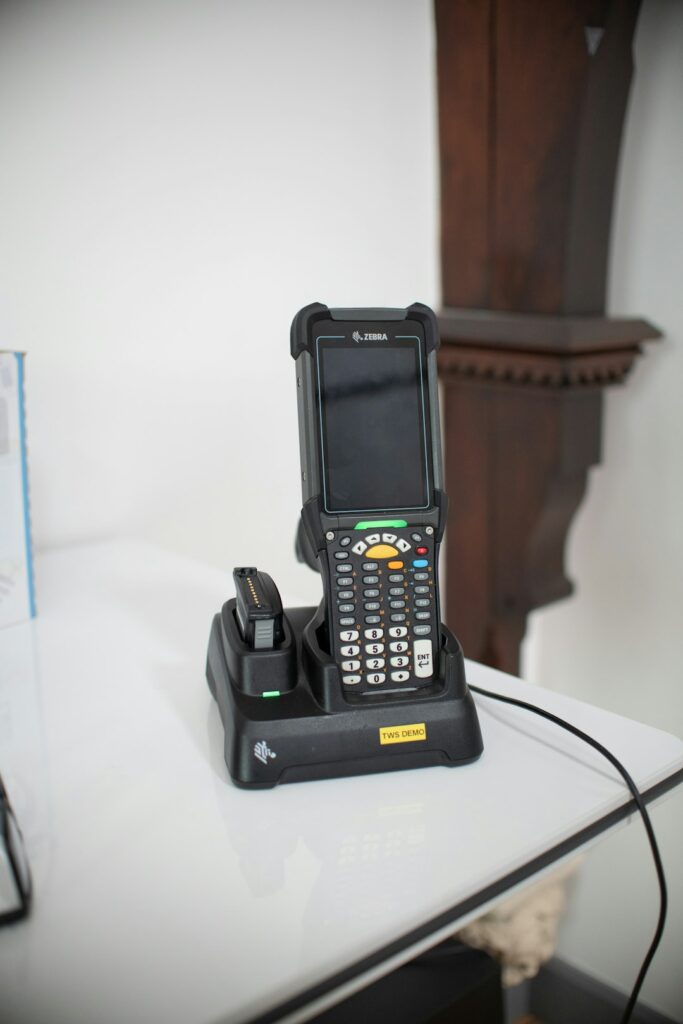
Discovering the Benefits of Datamatrix Readers
In a busy hospital setting, every action counts toward patient care. Nurses often juggle checking patient vitals and recording data, leaving little room for error. Using a datamatrix reader to scan wristbands and medication labels speeds up this process significantly. This reduces the chance of mistakes caused by manual entry and helps ensure that patients receive the correct treatments on schedule. Staff can rely on the instant feedback of scanned information, which often prevents costly miscommunications between shifts or during handovers. Manufacturing plants rely heavily on keeping production flowing without interruptions. Datamatrix readers help by quickly capturing barcode data on materials and finished goods. This real-time data helps supervisors monitor stock levels accurately, so ordering and resource planning can adjust as needed. Workers spend less time hunting for parts or scanning items multiple times, cutting downtime. For example, line operators might scan components as they arrive to verify order accuracy before assembly begins, catching issues early. Retail stores benefit from datamatrix readers especially during peak hours. Self-checkout stations equipped with these scanners let customers process their purchases independently, reducing queues and frustration. The readers’ ability to scan barcodes from both paper labels and smartphone screens adds flexibility for shoppers using digital coupons or loyalty apps. Cashiers also use handheld models to speed up checkout lines and verify product details quickly. Logistics companies track packages through various checkpoints using datamatrix readers. At loading docks, scanning parcels verifies shipment contents and destinations instantly. This practice cuts down on misplaced deliveries and improves estimated arrival times communicated to customers. Warehouse staff often develop routines where each scanned package is cross-checked against manifest records, catching discrepancies before shipping. Datamatrix readers can handle traditional one-dimensional barcodes and two-dimensional codes like QR codes without switching devices. This versatility means companies don’t need separate scanners for different labeling systems, simplifying training and maintenance. They adapt easily to evolving industry standards or product packaging changes. Different models target specific uses depending on operational needs. Portable single-tube readers work well for field technicians needing mobility, while retail-focused devices prioritize quick scanning of mobile screens and paper codes at checkout counters. Many units come with ergonomic designs to reduce fatigue during long shifts and have durable casings that withstand drops or spills common in busy environments. Choosing the right datamatrix reader involves considering factors like scanning distance, supported code types, connectivity options, and software integration capabilities. Some models offer Bluetooth or Wi-Fi for wireless operation, which can be crucial in large warehouses or sprawling retail floors. Others include customizable settings for beep tones or vibration feedback to suit noisy or quiet workplaces. Exploring the range of available products can be done by visiting datamatrix reader. Reviewing detailed specifications and user reviews helps match a device’s features with specific workflow requirements, avoiding costly mismatches. As industries adopt more automated processes, tools like datamatrix readers become essential for keeping operations efficient and accurate. Businesses investing in these scanners often see smoother day-to-day tasks and fewer errors affecting customers. For practical advice on integrating these tools into your workflow, check out barcode scanning equipment options.