
Effective Rotator Cuff Physio Care
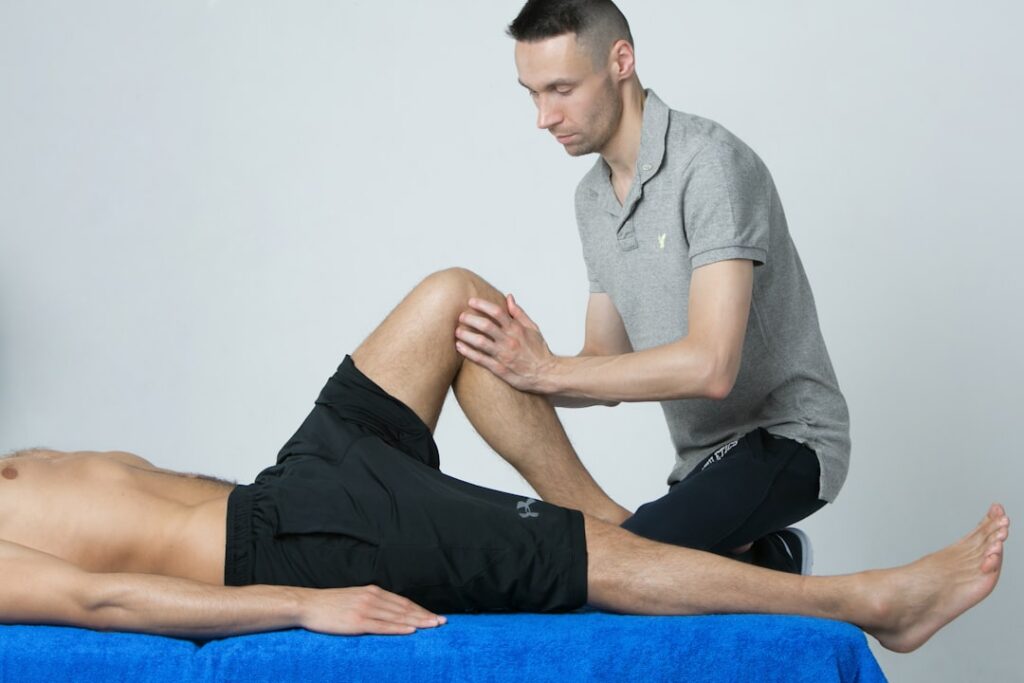
Waking up with a sudden sharp pain in your shoulder when reaching for something as simple as a coffee mug is a frustrating and all too common experience for those dealing with rotator cuff injuries. These injuries often develop from repetitive overhead movements at work or during sports, or sometimes from a sudden fall or impact. The pain can make everyday tasks difficult, limiting your shoulder’s range and strength. Physiotherapy offers a practical path to recovery by focusing on restoring the muscles and tendons that keep your shoulder stable and functional. The process starts with a thorough assessment by a physiotherapist who checks how far you can move your arm, how strong your muscles are, and where the pain occurs. This evaluation is more than just a checklist; it helps create a rehab plan tailored to your specific needs. You might do exercises that target the rotator cuff muscles directly, like external rotations using resistance bands, which improve strength and support. Consistent practice of these exercises is key, and therapists often correct your form to avoid compensating with other muscles, which can delay recovery. Surgery can feel like the obvious fix for severe rotator cuff tears, but it’s not always necessary. Conservative approaches, including manual therapy techniques like deep tissue massage and joint mobilizations, can reduce pain and improve movement without invasive procedures. Skilled physiotherapists combine these hands-on methods with guided exercises to encourage healing and prevent the injury from worsening. It’s common for patients to underestimate the value of these treatments until they experience the gradual improvements firsthand. During rehab, additional therapies such as ultrasound or electrical stimulation may be introduced. These treatments help reduce inflammation and encourage tissue repair but aren’t stand-alone solutions. They work best alongside active exercises that build strength and flexibility. Your physiotherapist will closely monitor how your shoulder responds and adjust your program accordingly, ensuring each session pushes you forward without causing setbacks. Recovery isn’t quick. It demands patience and steady effort over weeks or months. Many people expect fast fixes and get discouraged when progress feels slow. Regular check-ins with your therapist help track subtle improvements and tweak exercises to keep you moving in the right direction. A realistic timeline and clear communication about goals prevent misunderstandings that often stall rehab. For those who can’t attend in-person appointments regularly, telehealth physiotherapy offers a practical alternative. It allows you to continue your rehabilitation from home with professional guidance via video calls. This setup works well for people juggling busy schedules or facing travel challenges. You still get personalized advice and exercise corrections, ensuring your recovery stays on track even outside the clinic. If shoulder pain has become part of your routine, exploring rotator cuff physio could make a significant difference. Effective rehab involves more than just following exercises; it includes understanding how to protect your shoulder during daily activities and learning habits to prevent re-injury, such as avoiding lifting heavy objects overhead without proper support. The shoulder is complex, and so is healing from injury. That’s why working closely with a physiotherapist who listens to your feedback and adapts your treatment plan is vital. They’ll guide you through each phase, helping you regain strength, improve mobility, and reduce pain safely. For more information on managing shoulder issues and maintaining joint health, consider checking out shoulder care advice online. Taking control of your recovery means staying informed and proactive.