Barn Rentals for Weddings in Connecticut
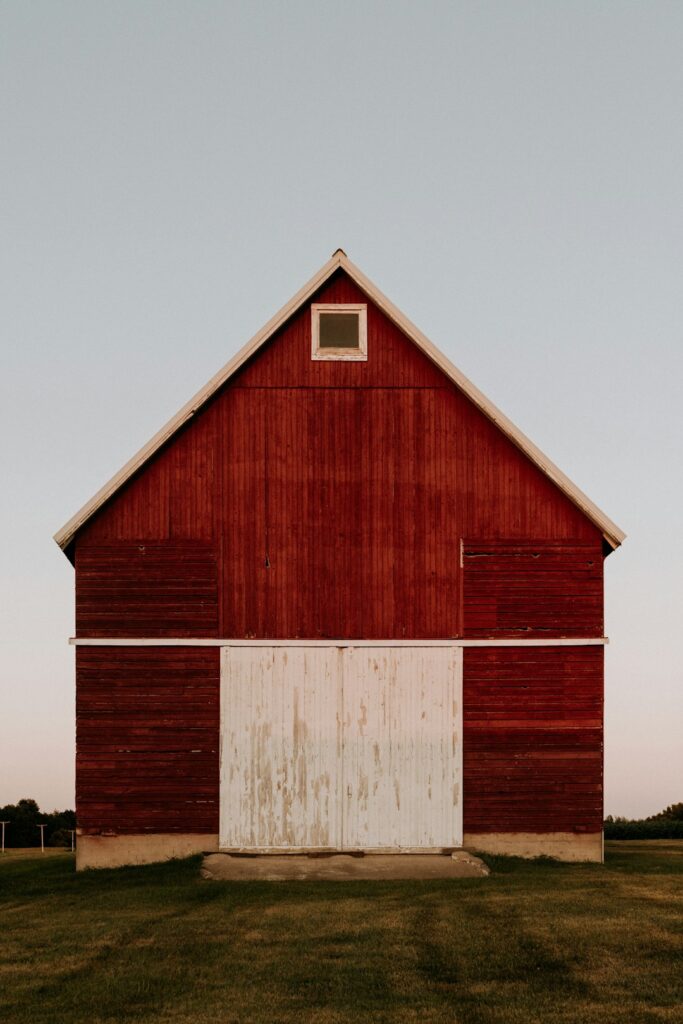
Picture a couple exchanging vows in a rustic barn set against a backdrop of rolling hills and vibrant gardens. Barn rentals for weddings offer a distinctive venue that blends natural beauty with a relaxed, inviting atmosphere. In Connecticut, these farm settings provide a way to hold a wedding that feels both personal and memorable. Unlike traditional venues, barns often come with open layouts that couples can shape to fit their vision, whether they want an intimate ceremony or a larger party. Many barns in the area have been updated to include modern conveniences while preserving their rustic charm. For example, some renovated barns can seat up to 150 guests, allowing for flexible dining options from formal sit-down dinners to casual buffet arrangements. Practical details like onsite restrooms and accessible parking are often part of the package. Couples should always confirm these amenities early on to avoid surprises during the planning process. The outdoor spaces at these farm venues are a major draw. Expansive lawns and tree-lined fields provide natural settings for ceremonies and photos. Imagine saying your vows under tall oaks or capturing moments with sunlight filtering through leaves. These open-air options give couples the freedom to design their event flow and help guests feel connected to the environment. It’s common for couples to schedule a walkthrough with venue staff to discuss how weather contingencies will be handled, ensuring the day goes smoothly regardless of conditions. As the day shifts into evening, the barn’s interior takes on a new mood. Wooden beams overhead, vintage lighting fixtures, and candlelit tables create a warm, cozy ambiance. This setting often feels more relaxed than a ballroom yet still carries an air of celebration. Many couples find that coordinating lighting setups with their vendors enhances this effect. Testing lighting and sound equipment ahead of time is a practical step that helps avoid last-minute glitches. Exclusivity is another reason couples choose barn venues. Renting an entire barn and surrounding grounds means no interruptions from other events or visitors. This privacy lets everyone focus on the celebration without distractions. It also simplifies logistics since vendors and guests have clear access to all necessary areas without conflicts. A detailed timeline shared with the venue coordinator can prevent scheduling overlaps and keeps everyone on the same page. Some farms offer more than just space; they provide vendor recommendations or coordination assistance. While it’s common for couples to bring their own caterers or photographers, having trusted local contacts can ease planning stress. Familiarity between venue staff and vendors often leads to smoother setups and better problem-solving on the day itself. Couples are advised to review contracts carefully, noting cancellation policies and included services to avoid misunderstandings. For couples who want something beyond the typical banquet hall, barn rentals in Connecticut present an appealing alternative. They offer a blend of natural charm, flexibility, and practical features that fit many wedding styles. Taking time to visit multiple locations, ask detailed questions about facilities, and envision how your day will unfold can make a big difference. If you’re considering a farm wedding, check out barn rentals for weddings for ideas and options. Before finalizing your choice, think about how each element, floral designs, seating layouts, catering schedules, will work within the barn’s setting. Small details like where the DJ sets up or where guests can mingle during cocktail hour matter. A venue like this requires coordination but rewards with unique character and the chance to create lasting memories. For additional information on venue features and availability, visit farm wedding venues in connecticut.