
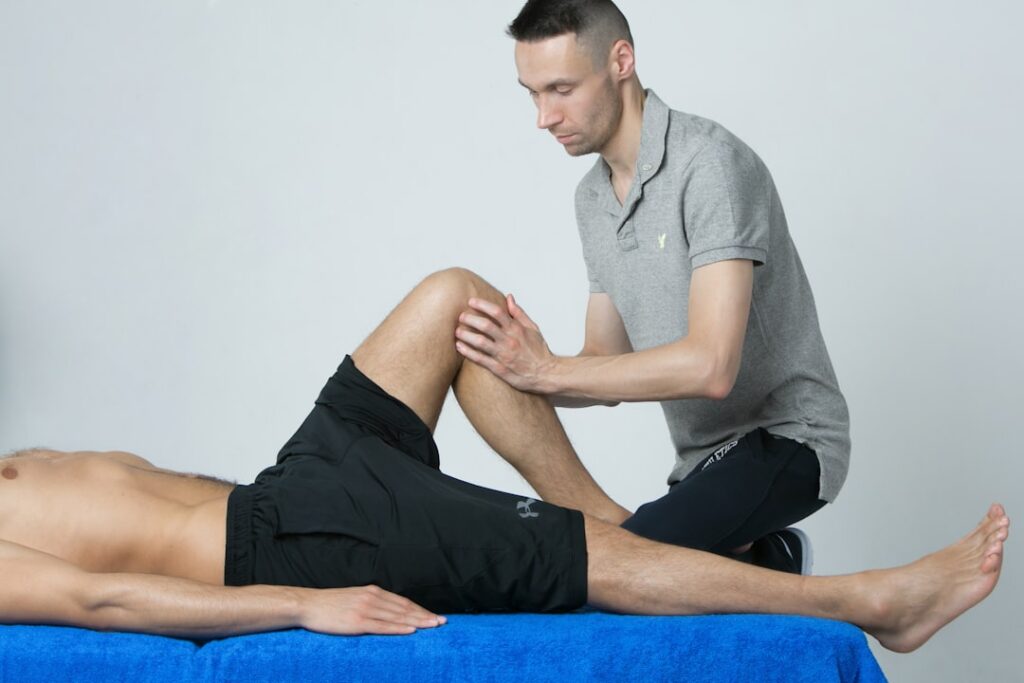
Effective Neck Physiotherapy for Lasting Relief
Waking up with a stiff neck can throw off your entire day. It’s a common problem, often linked to poor posture from sitting at a desk for hours or injuries from physical activities. That nagging discomfort makes simple actions like turning your head, driving, or even sleeping a struggle. When pain lingers, searching for neck physiotherapy near me is a smart move. Targeted treatments can ease pain and help regain full neck movement. People frequently delay getting professional care, hoping the pain will disappear on its own. This approach often backfires, turning acute issues into chronic problems that take longer to fix. Early intervention with physiotherapy can reveal hidden causes of neck pain. For example, a customized exercise plan strengthens the muscles around your neck, stabilizing the area and lowering the chance of re-injury. A physiotherapist usually starts by assessing your posture and movement patterns, then adjusts exercises as your condition improves. Dry needling is a technique gaining traction in neck therapy. This involves inserting fine needles into tight muscle knots or trigger points to relieve tension and improve circulation. Patients often report reduced neck stiffness and fewer tension headaches after dry needling sessions. It’s not a standalone fix but works well alongside manual therapy and guided exercises to tackle muscle tightness directly. Education is part of the recovery process too. Many patients don’t realize how small changes in their workspace can affect their neck health. Adjusting chair height, using ergonomic keyboards, or switching to supportive pillows at night can make a big difference. Physiotherapists spend time showing patients these practical tweaks and coaching them on maintaining correct posture during daily activities to prevent relapse. Strengthening exercises are key to rehabilitation. They focus not just on flexibility but also on building muscle endurance in the upper back and shoulders, which support your cervical spine. For instance, resistance band exercises targeting the scapular muscles ease neck pressure and promote better alignment. Regularly doing these routines empowers people to take control of their recovery and reduce future pain flare-ups. Taping methods also add value during healing. Applying kinesiology tape correctly offers extra support without limiting movement, so patients can stay active while recovering. Though popular with athletes, this technique benefits anyone dealing with neck discomfort caused by repetitive strain or aging. A trained therapist will demonstrate how to apply tape for maximum effect and advise when to remove it. Sometimes, specialized programs come into play for certain conditions like osteoarthritis affecting the neck. The GLA:D program combines education with tailored exercises designed to improve joint function and reduce pain across multiple body areas. Such evidence-based courses help individuals manage symptoms more effectively than standard treatments alone. Finding dependable neck physiotherapy services is vital for those stuck with persistent pain. Working with qualified practitioners who tailor plans to your specific needs improves outcomes and quality of life. If you want to explore options further, consider checking local clinics offering detailed assessments and personalized therapy. For more information on available services visit neck pain treatment options. Modern physiotherapists have access to a variety of tools and techniques that address musculoskeletal problems effectively. Combining manual therapy, exercise therapy, dry needling, taping, and patient education creates a balanced approach where patients regain function and live without constant neck pain.