
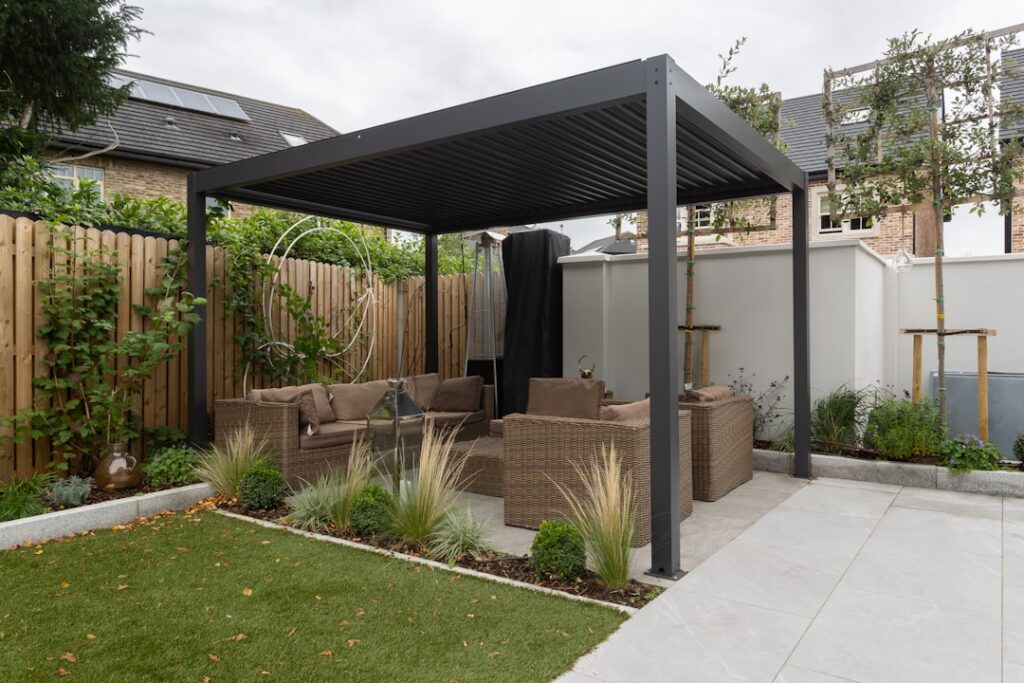
Choosing the Right Pergola in Cornwall
Transforming your garden into a comfortable outdoor space often starts with adding a pergola. It’s not just about shade; a well-built pergola defines the area and adds character. In Cornwall, where the weather can swing from sunny to damp quickly, picking materials and styles that stand up to these conditions is vital. Many homeowners overlook how much local climate impacts wood treatments or metal finishes, leading to costly repairs down the line. This guide breaks down what you need to consider before committing. Material choice comes first. Wood has a timeless appeal and blends well with Cornwall’s leafy gardens, but it demands regular upkeep. Untreated wood will absorb moisture and develop rot, so expect to apply preservatives every couple of years. If you’re not up for that, aluminum or vinyl pergolas are better bets. They resist rust and don’t warp in wet weather, which means less fuss over the years. Keep in mind, though, that some metal finishes might chip or fade under constant coastal winds, so ask about powder coating quality or protective layers. Design matters as much as durability. Traditional wooden pergolas suit rustic cottages, especially when paired with climbing roses or honeysuckle. They create a cozy feel and soften the structure. For modern homes, clean-lined metal pergolas with minimalist styling complement contemporary architecture and require less maintenance. Before ordering, measure your garden carefully and think about where the sun hits most, this helps decide if you want a dense canopy or something more open. A common mistake is buying a pergola too large for the space, which can overwhelm smaller gardens. Size and placement go hand in hand. Aside from footprint, consider how the pergola interacts with existing pathways or decking. A poorly placed structure can block natural flow or create awkward gaps. It’s smart to mock up dimensions using tape before installation day. This simple habit prevents surprises and ensures you get a structure that enhances rather than detracts from your garden’s layout. Adding features like retractable canopies or integrated lights can expand how you use your pergola. Sunshade options let you adjust for midday heat or fading light without dismantling anything. Lighting adds atmosphere after dusk but plan wiring routes properly to avoid unsightly cables. Built-in planters also bring greenery right into the structure, reducing maintenance by containing plants in dedicated spaces rather than letting them climb uncontrolled. Choosing a local provider familiar with Cornwall’s environment makes a difference. Experienced installers understand planning permissions and local weather impacts better than national chains. Checking reviews and asking neighbours for recommendations can save headaches later. Also, confirm who handles aftercare repairs and whether warranties cover coastal wear, these details often get overlooked but matter when storms hit. As you explore your options, consider visiting showrooms or outdoor displays to see materials firsthand. Photos rarely capture texture or colour accurately. Also, ask about delivery times and installation processes; sometimes permits delay work longer than expected. If possible, get your supplier to visit your site before ordering. It avoids miscommunications about ground conditions or access issues that can stall projects. For specific ideas, take a look at pergola cornwall which offers various models suited to different tastes and spaces. Remember to compare features like canopy types, frame thickness, and anchoring methods before deciding. You can also explore outdoor living design options for inspiration beyond pergolas, helping tailor your garden space exactly how you want it. Getting these details right means your pergola won’t just be a structure but a lasting part of your home’s outdoor life.