

April 16, 2026

four vehicle tires
IT

Exploring the Right Tyres for Your Vehicle

Planning an off-road trip in your 4×4? You want tyres that won’t quit halfway through. Tyres aren’t just about looks or brand names, they’re the foundation of safety, grip, and fuel efficiency. A good tyre grips muddy or rocky trails without tearing apart after a few runs. If you’ve ever been stuck because your tyres lost traction on wet ground, you know how frustrating it can be. Eco-friendly tyres have gained ground for 4x4s recently. These use materials designed to lower environmental impact, often featuring reduced rolling resistance. That means your fuel economy improves on highways, balancing out the rough-road capability. It’s not just about being green; it’s practical for those who rack up long distances. Light trucks haul heavier loads, so their tyres need to endure more pressure and wear. The challenge is finding tyres tough enough without making the ride harsh or noisy. Some drivers accept a bumpier ride for better durability, but if you use your truck daily, comfort matters. Checking the tyre’s load rating and pressure specifications against your typical cargo is a step many skip but shouldn’t. Classic cars bring a different set of concerns. Owners want tyres that match the vintage style while providing the safety modern technology offers. Old-school tyres often lack features like better water dispersion or advanced tread patterns. Thankfully, some manufacturers now make replica tyres with improved rubber compounds and tread designs that keep the classic look without sacrificing road safety. Performance tyres for street use focus on sharp handling and stability at speed. These usually have softer rubber to boost grip during tight turns but wear faster than tougher all-terrain tyres. It pays to be honest about how and where you drive. If your daily involves quick cornering on pavement, performance tyres might be worth the trade-off. But if you hit dirt roads often, a more durable compound is smarter. If tyre shopping feels overwhelming, start with reputable suppliers who cover a wide range of needs. For example, radar tyres offers choices for everything from hardcore off-roading to routine city driving. One practical tip: always check the tyre’s DOT code to see its production date. Tyres older than six years could have hardening rubber, even if they haven’t been used much. Light truck owners sometimes overlook the importance of matching tyre pressure to load changes. Adjusting pressure according to what you’re carrying can prevent uneven wear and improve fuel economy. Also, when fitting new tyres, rotate them regularly, every 10,000 kilometers is a common recommendation, to spread wear evenly and catch any damage early. Many drivers confuse tyre size markings or buy replacements that don’t quite match their original specs. This affects handling and can cause premature wear. Consulting your vehicle’s manual or a tyre professional helps avoid this mistake. For more detailed guidance on tyre options, check out off-road tyre advice. It’s worth spending time upfront to avoid costly problems later.
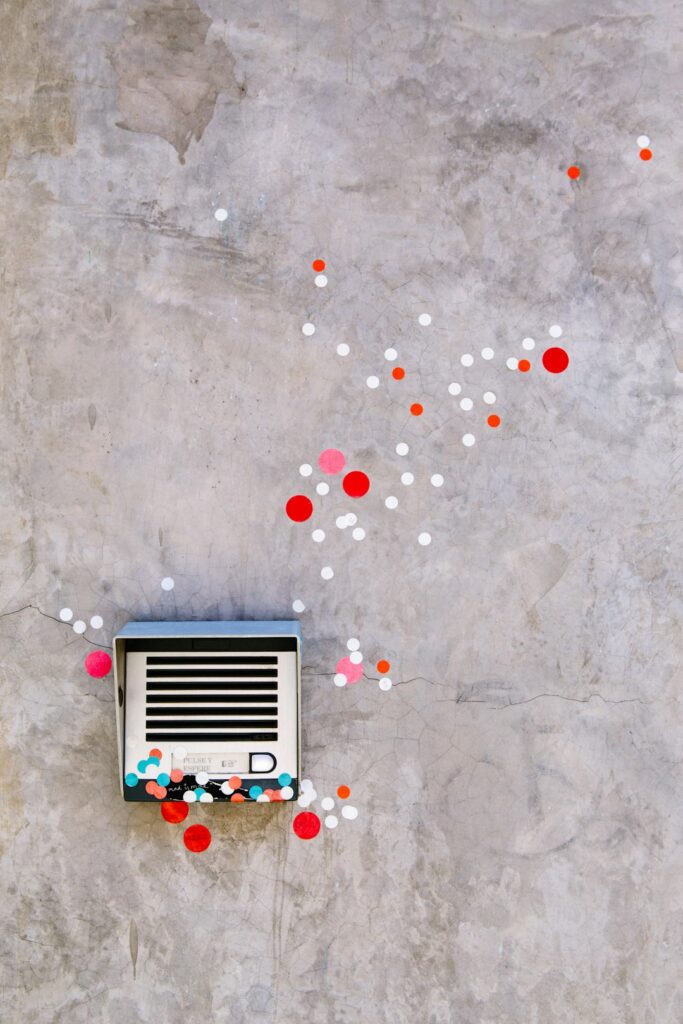

square white cordless electronic device in box
Equipment

Dehumidifiers for Australia’s Unique Climate

Stepping into a damp warehouse after a heavy downpour often means dealing with that unmistakable musty smell and spotting mould in dark corners. For Australian business owners, controlling humidity isn’t just about comfort; it protects stock, equipment, and the building itself. Dehumidifiers are practical investments that help keep moisture levels in check, preventing mould growth and damage. Whether you operate a small gym, a museum, or a large storage facility, the right dehumidifier can improve air quality and safeguard your assets. Choosing the right unit means understanding the specific challenges your space faces. Some tasks demand more than just basic humidity control. For example, flood drying requires high-capacity machines that quickly extract large amounts of moisture. Commercial models with built-in pump-out systems stand out here, they can discharge water automatically, saving time and effort during recovery. After a storm floods a storage room, a powerful dehumidifier can speed up drying significantly faster than fans or open windows alone. Size matters when picking a dehumidifier. A compact unit might be perfect for a small gym where floor space is tight but humidity still needs managing efficiently. On the other hand, vast galleries or warehouses require industrial-grade machines capable of processing large volumes of air repeatedly throughout the day. Take a moment to measure your space accurately and consider ceiling height and ventilation because these affect how much moisture accumulates and how it disperses. Energy use shouldn’t be overlooked. Modern dehumidifiers often include energy-saving settings or smart controls that adjust performance based on moisture levels. This reduces electricity bills and lessens environmental impact without skimping on effectiveness. Look for units with Energy Star ratings or similar certifications. Over time, these savings add up, especially in commercial settings running equipment daily. Maintenance is straightforward but critical. Regularly inspect and clean filters to prevent dust buildup that restricts airflow. Clogged filters force the machine to work harder, boosting power consumption and wearing out parts sooner. Many users miss this step, mistakenly blaming the device’s age when performance drops. A quick filter check every few weeks during humid seasons can keep your unit running efficiently and extend its lifespan. Australian climates vary widely, from tropical humidity in the north to cooler, damper conditions in the south. Choose dehumidifiers designed or tested for local use, as they handle temperature swings and high moisture better. The market offers a broad selection catering to both residential and commercial needs. For detailed model options suited to your environment, visit best dehumidifier australia. Support from your supplier goes beyond the purchase. Reliable customer service includes installation advice and troubleshooting tips tailored to your setup. Simple issues like incorrect placement can reduce effectiveness without obvious signs. For instance, placing a unit too close to walls limits airflow, while ignoring drainage setups can cause leaks or overflow. Responsive guidance helps avoid common pitfalls that lead to unnecessary repairs. Assessing your options requires weighing capacity, maintenance demands, and running costs carefully. Consulting with someone familiar with local conditions can save both money and headaches long term. If you want further information on managing moisture effectively in commercial environments, see humidity control strategies for businesses.

A black refrigerator with its door open in a kitchen
IT

Frigidaire Refrigerator Service Manual Insights

Imagine opening your fridge to find your food warming up instead of cooling down. It’s a frustrating spot, especially in summer when refrigerators run nonstop. When your fridge stops working right, a good service manual can save hours of guesswork. A detailed frigidaire refrigerator service manual lays out step-by-step checks and fixes. It’s worth having on hand before you call a repair person or toss spoiled groceries. One frequent cause of cooling issues is the thermostat. It’s the fridge’s internal temperature controller. If it malfunctions, the compressor won’t get the right signals, leading to uneven cooling or no cooling at all. Many users overlook the thermostat’s settings, assuming they’re correct. Double-checking them is a quick first move. If the problem persists, the service manual explains how to test the thermostat’s resistance with a multimeter and replace it if needed. Dirty condenser coils are a silent efficiency killer. These coils release heat from inside the fridge to the outside air. Dust and grime build up over time, restricting airflow and forcing the compressor to work harder. This ramps up electricity bills and risks a breakdown. Cleaning these coils every six months with a brush or vacuum can prevent issues. The manual also advises on safely removing panels to access these coils without damaging wiring or refrigerant lines. Noisy refrigerators aren’t just annoying, they can signal mechanical trouble. Rattling often means loose screws or something caught in the fan blades, while humming or buzzing could indicate compressor stress. Sometimes, a failing evaporator fan motor makes a grinding noise when it’s about to go bad. Identifying these sounds early helps avoid bigger repairs later. The service manual includes a section on what different noises mean and how to inspect fans and motors. Water pooling inside or outside the fridge is usually due to clogged defrost drains or worn door seals. A blocked drain stops melted frost from draining properly, causing leaks that might damage floors or create mold. Damaged door gaskets let warm air in, causing condensation to build up inside. Regularly inspecting and cleaning drain channels with warm water and checking door seals for cracks or stiffness can head off problems. If needed, the manual offers guidance on clearing clogs and replacing seals. Many fridge owners don’t realize how often simple user errors cause problems. Leaving the door open too long, overloading shelves, or placing hot food inside can throw off temperature balance and strain components. The service guide suggests practical habits like keeping vents clear and not stacking items too tightly to maintain airflow. Beyond these common fixes, having detailed repair instructions empowers you to diagnose issues confidently rather than relying solely on technicians who might take days to arrive. The manual includes wiring diagrams, part numbers, and safety warnings essential for anyone attempting repairs. It even covers how to safely discharge capacitors before servicing electrical parts, something rarely mentioned but critical for safety. If you want more manuals or advice for other fridge models, visit fridge repair resources online. It’s a solid place to find technical documents and tips for maintaining your refrigeration units efficiently.

Scroll to Top