
March 4, 2026

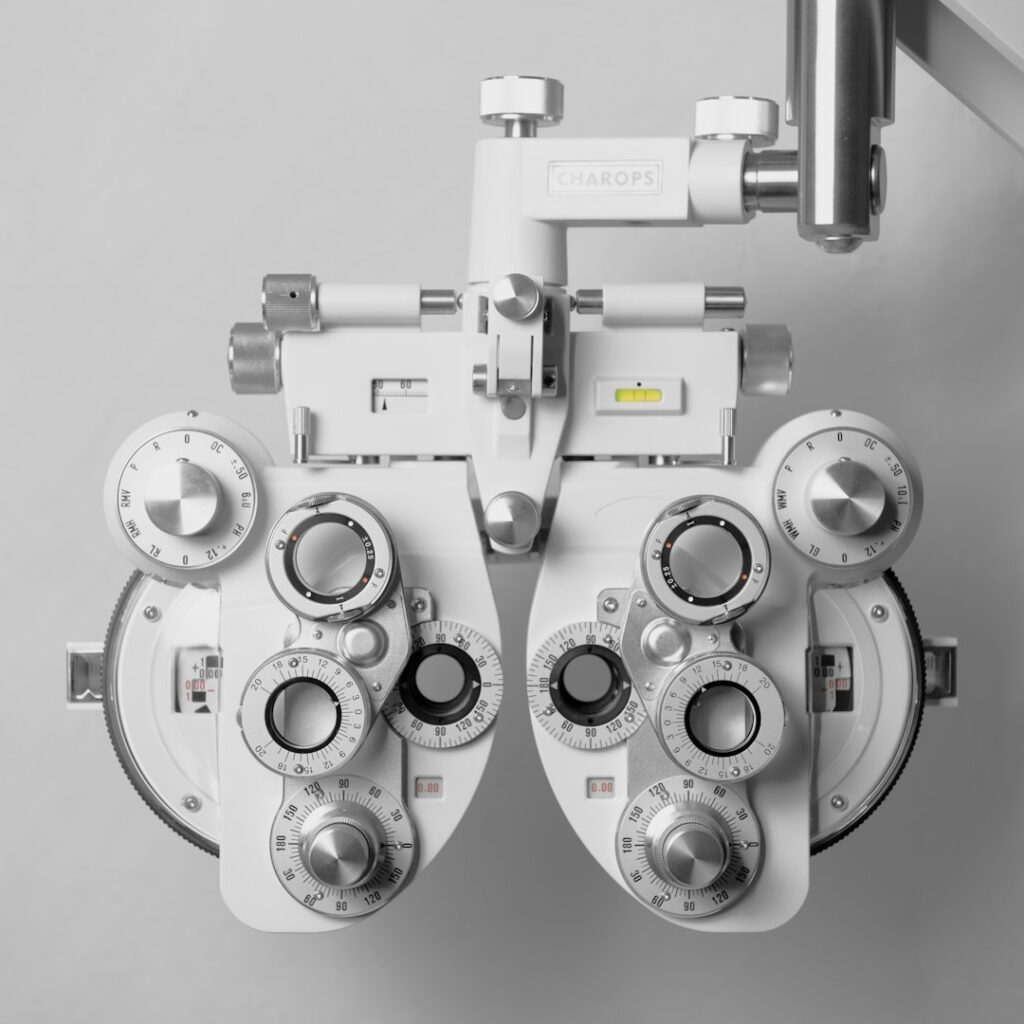
a close up of a pair of medical equipment
Health Care

NDIS Optometry Brisbane for Comprehensive Care

A parent in a Brisbane optometrist’s office watches their non-verbal child struggle with a routine eye exam. The child can’t explain discomfort or confusion, making the process stressful for everyone. Families with additional needs often face these hurdles during eye care. Brisbane practitioners who specialise in NDIS optometry understand how to adapt assessments to the individual’s requirements. They adjust lighting, reduce noise, and use straightforward language to ease anxiety and encourage cooperation throughout the exam. Eye exams for people with sensory sensitivities demand patience and preparation. Simple changes like dimmed lights and quiet rooms help patients stay calm. Explaining each step clearly helps prevent misunderstandings. For example, some children might flinch when a bright light shines in their eyes if they don’t know what to expect. Practitioners who take time to describe the procedure can reduce fear and build trust, which leads to more accurate results. Low vision assessments go beyond prescribing glasses. They focus on how patients use their remaining sight in daily tasks, such as reading, recognising faces, or navigating spaces. Often, these evaluations reveal needs that standard lenses can’t meet. Introducing magnifiers, electronic readers, or other adaptive aids can significantly improve functionality. A common mistake is skipping training on these devices. Without proper guidance, patients may abandon helpful tools out of frustration. Bioptic telescopes are one such aid used in low vision care. These combine regular glasses with a small telescope mounted on the frame. They let users see distant objects clearly while maintaining normal vision up close. Getting accustomed to bioptics takes practice and professional coaching. Without support, users might find them awkward or disorienting, leading to limited use despite their potential benefits. Cerebral Visual Impairment (CVI) presents unique challenges because the eyes may be healthy but the brain struggles to process visual signals. This condition is common in children with neurological issues. Optometrists familiar with CVI look for signs like difficulty recognising faces or trouble tracking moving objects. They work closely with caregivers to understand the child’s environment and visual experiences at home and school. This insight helps tailor strategies that improve how the child interprets visual information. Families seeking NDIS optometry services in Brisbane should explore resources that detail available assessments and supports. Thorough evaluations inform decisions about interventions that can make a real difference in everyday life. Advocating for detailed exams ensures patients receive tailored care suited to their circumstances. Access to specialised optometry isn’t a luxury, it’s a necessity for fostering independence and improving quality of life. Collaborating with professionals outside optometry, such as occupational therapists or educators, enriches patient care. For example, a child with vision impairment and developmental delays benefits from input across disciplines. Coordinating efforts creates consistent support that addresses multiple needs simultaneously, particularly within educational settings. Focusing on detailed eye exams designed for people with diverse needs helps raise standards in Brisbane’s vision care community. Every patient deserves expert attention that acknowledges their particular challenges and strengths. If you want further assistance, consider contacting local services like NDIS Optometry brisbane. For broader information on visual health resources, visit . Small details matter when supporting visual wellbeing. vision health advice


red beacon light
Alert Systems

Evacuate Now Alarm for Workplace Safety

Picture an office suddenly filled with the loud wail of a fire alarm. Seconds count, and every employee must act fast. Without a dependable alert system, confusion can slow evacuation, risking lives. That’s why integrated safety alert systems matter. They bring together alarms, notifications, and triggers to make sure everyone knows when and how to get out safely. These systems don’t just rely on noise; they often include flashing lights and text alerts to cover different needs. For example, a loud siren can cut through factory noise, while mobile alerts reach employees working remotely within the site. In healthcare, timing is critical. A nurse call system linked to evacuation alarms can immediately warn staff and patients if fire breaks out near sensitive areas like patient wards. This kind of direct integration ensures alerts are relevant and timely, reducing the chance of panic or missed warnings. It’s common for staff to keep printed emergency procedures at nurse stations or break rooms, helping reduce miscommunication during drills or real events. Having clear signage and regular training also helps everyone stay familiar with evacuation routes. Emergencies demand quick action. Businesses should have plans that allow for instant alarm activation and clear, easy-to-follow evacuation instructions. Consider a factory facing a gas leak: an integrated system can update employees in real time, guiding them through safe exits with illuminated signs or push notifications. Such features help avoid bottlenecks at exits and keep the process orderly. It’s not unusual for safety officers to run walkthroughs identifying potential obstacles like locked doors or cluttered hallways that could slow evacuation in practice. Customising these systems is vital. Different workplaces pose different challenges. A retail store has constant foot traffic and public access, so alerts might need to be more visual and less disruptive to customers. In contrast, industrial sites may focus on loud sirens and direct communication to workers wearing ear protection. Tailored alerts ensure everyone understands their role during emergencies and reacts appropriately. Regular updates to emergency plans based on changes in layout or staffing are common practices to avoid outdated procedures. Choosing the right system means picking features that fit your daily operations. Some companies prioritise nurse call triggers to protect vulnerable patients, while others emphasise clear evacuation alerts for high-risk manufacturing zones. Modern systems often link with building controls to open fire doors or activate smoke vents automatically once an alarm sounds, helping manage hazards without relying solely on human intervention. This integration can also extend to local emergency services, speeding up response times when every minute matters. Employees perform better when they feel safe at work. Installing a reliable emergency alert system shows commitment to their wellbeing and prepares the organisation for unexpected events. Workers who trust their safety protocols tend to remain calmer and more focused during crises. Practical habits like conducting regular fire drills and updating contact lists ensure that when alarms sound, everyone knows what to do without hesitation. To explore options suited for your workplace, visit evacuate now alarm australia. When assessing providers, look beyond just the technology. Consider how well the system adapts to your environment and the support offered for training and maintenance. A system that fits your needs helps meet legal safety standards and promotes a culture where safety is a shared responsibility. Such investment not only reduces risk but also boosts morale and productivity by showing employees their safety matters. For more information on integrating building management with safety alerts, check out building automation for safety.

a close up of a mattress that has been made
IT

Choosing the Right Cot Mattress

Getting ready for a new baby means sorting out the cot mattress, and it’s more important than most people realise. Not every mattress will do. A firm surface is critical, softer adult mattresses can increase the risk of suffocation or Sudden Infant Death Syndrome (SIDS). Parents should look closely at materials, firmness, and breathability before buying. For instance, a mattress that’s too soft might seem cozy but could be unsafe. On the other hand, some firm options lack airflow, which can cause overheating. It’s a delicate balance. There’s a lot of misunderstanding about cot mattress types. Foam mattresses are popular because they’re light and easy to manage during changes or cleaning. Pocket sprung mattresses have individual springs that adjust to your baby’s movements, offering solid support. Coir mattresses, made from coconut fibers, resist bacteria and allergens naturally, which helps if your baby has sensitivities. Each type has pros and cons you won’t pick up just by looking at them in a store. It’s not unusual for parents to think a cot mattress lasts forever, especially if they plan for more kids. But mattresses wear out. Over time, they lose their shape and can collect dust mites and bacteria, hidden hazards if your child has allergies or asthma. Even if the mattress looks fine, replacing it every few years keeps the sleep environment clean and supportive. Checking the mattress label for recommended replacement time can save trouble down the road. Breathability is something many parents overlook until they see their baby sweating or restless. Mattresses with good ventilation help control temperature and moisture, reducing discomfort and skin irritation. This matters most in warmer months or heated rooms where overheating becomes a risk. Some brands use special fabrics or design patterns that encourage airflow through the mattress layers, making a real difference in how fresh the sleep surface feels. Parents often want extra features to handle the daily messes that come with babies. Removable, washable covers are a must-have for quick cleanups after spit-ups or diaper leaks. Others prefer mattresses with two firmness sides, firm for newborns, slightly softer for toddlers transitioning out of the cot. These details mean you don’t have to replace mattresses as your child grows, which saves money and hassle. Fitting the mattress correctly inside the cot is a safety issue sometimes missed in the rush of setting up a nursery. The mattress should fit snugly without gaps where a baby’s limbs or head could get trapped. Most cots use standard sizes, but there are variations depending on style or manufacturer. Measuring the cot yourself before buying a mattress avoids returns and ensures safety. Parents looking for advice often turn to product reviews to hear real stories from other families. These experiences can reveal how mattresses hold up over time or how easy they are to clean. Advice from paediatricians or child health professionals also helps guide choices within your budget. For more detailed guidance on creating safe sleep spaces for babies, visiting cot mattress safety tips offers useful information. Choosing a cot mattress isn’t just ticking a box; it’s about giving your baby a safe, comfortable place that fits your family’s lifestyle. Taking time to compare materials, check fit, and consider practical features pays off every night when your little one sleeps soundly. The right mattress supports healthy growth and helps you avoid costly replacements later. mattress for a baby cot cot mattress safety tips

Scroll to Top