
Best Foods to Eat for Bloating Relief
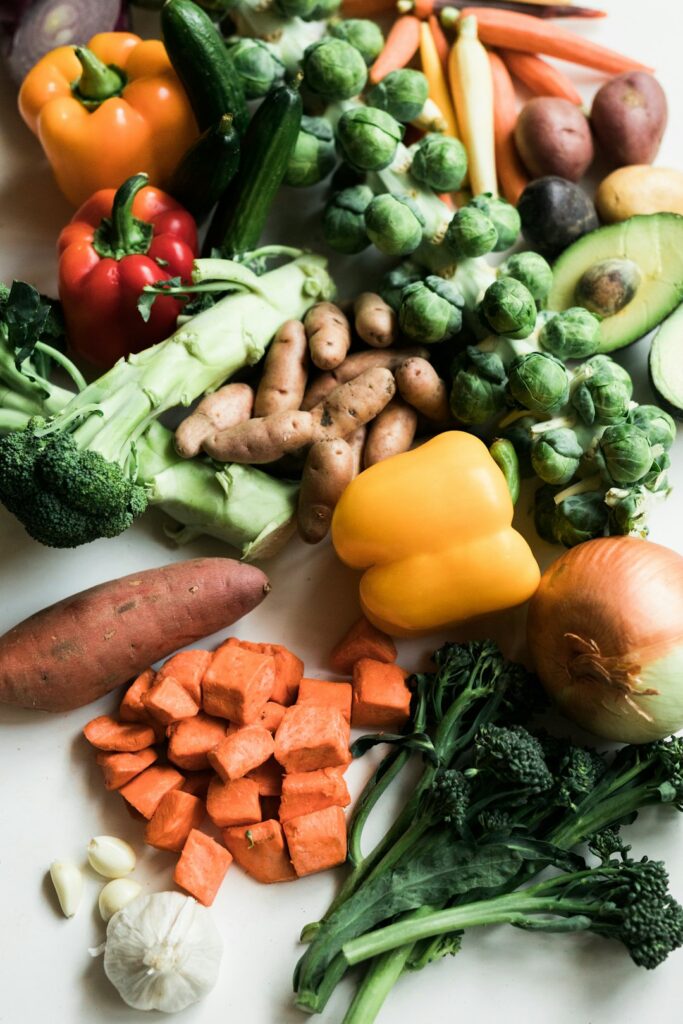
Bloating is an uncomfortable and often frustrating condition that can leave you feeling sluggish, distended, and weighed down. It can be caused by a variety of factors, including overeating, food intolerances, hormonal changes, or digestive disorders. While it’s sometimes unavoidable, making smart dietary choices can significantly ease the discomfort. Choosing the right foods can help reduce gas, improve digestion, and restore a sense of lightness. One of the most effective ways to combat bloating is to include potassium-rich foods in your meals. Potassium helps balance sodium levels in the body and supports fluid regulation, reducing water retention that often contributes to bloating. Bananas are a well-known source of potassium, and they can be easily incorporated into meals or snacks. Other potassium-rich options include avocados, sweet potatoes, and cooked spinach. These foods not only support fluid balance but also provide fiber, which promotes healthy digestion. Another group of foods especially helpful for bloating are those high in fiber but low in fermentable carbohydrates. Fermentable carbs, known as FODMAPs, can cause excessive gas and bloating in sensitive individuals. Foods like zucchini, cucumbers, and carrots are gentle on the digestive system and provide hydration due to their high water content. These vegetables can be eaten raw, roasted, or blended into smoothies for easy digestion and reduced bloating. Fermented foods are also beneficial for managing bloating, as they contain natural probiotics that support gut health. Yogurt with live cultures, kefir, sauerkraut, and kimchi can help balance gut bacteria and improve digestion. Including these foods regularly can aid in reducing inflammation and promoting a healthier gut environment. For those who are lactose intolerant, non-dairy options like coconut yogurt or fermented vegetables provide similar probiotic benefits without causing digestive distress. Peppermint tea is a soothing beverage often recommended for bloating thanks to its antispasmodic properties. It can help relax the gastrointestinal tract, ease cramping, and release trapped gas. Similarly, ginger is a natural anti-inflammatory that stimulates digestion and reduces bloating. Fresh ginger tea or adding grated ginger to meals can offer relief. These remedies are especially useful when bloating is accompanied by nausea or indigestion. Hydration plays a key role in preventing and alleviating bloating. Drinking enough water helps maintain regular bowel movements and flush excess sodium from the system. Adding lemon to water can offer additional digestive support due to its mild diuretic properties. Coconut water is another hydrating option that provides electrolytes, including potassium and magnesium, which further support fluid balance and reduce bloating. For people struggling with frequent bloating, it’s important to not only focus on what to eat, but also how to eat. Eating slowly and chewing thoroughly allows your digestive system to process food more efficiently and reduces the amount of air swallowed during meals. Smaller, more frequent meals can also prevent the stomach from becoming overly full, which often contributes to bloating. Beans and legumes are nutritious but can be problematic for some due to their high fiber and FODMAP content. Soaking and cooking them thoroughly can help reduce their gas-forming properties. Alternatively, switching to lentils or mung beans, which are easier to digest, can be a good option. Over time, as your digestive system adjusts, tolerance to these foods may improve. For more insights into the best foods to eat when bloated, it helps to explore dietary habits that support gut health and reduce inflammation. Keeping a food diary to identify triggers can also be a useful strategy. Another helpful approach is incorporating natural anti-inflammatory foods like turmeric and leafy greens. These not only soothe the digestive tract but also support overall wellness. Understanding how your body responds to different foods and adjusting accordingly can make a significant difference in managing bloating. If you’re looking to optimize your diet for digestion, exploring the benefits of nutrition for gut health can provide useful guidance and long-term relief.