

December 30, 2025

people gathering on concert field
Entertainment

Festival Entertainment Ideas Worth Exploring

Creating a memorable festival experience goes far beyond food stalls and music acts. As audiences grow more diverse and expectations rise, organizers are challenged to curate engaging and unexpected entertainment elements that leave lasting impressions. Whether it’s a community fair, a city-wide cultural celebration, or a niche music festival, the right mix of entertainment can elevate the energy and bring people back year after year. One increasingly popular approach is to include interactive acts that invite audience participation. People don’t just want to passively watch anymore—they want to be part of the spectacle. Comedy jugglers, roaming circus performers, and street magicians provide not only visual intrigue but also personal engagement. These acts can move through the crowd, breaking the fourth wall and bringing a touch of spontaneity to the event. Performers who blur the lines between stage and spectator can turn a casual gathering into a vibrant celebration. Another effective method is curating themed zones or pop-up experiences. For example, a retro carnival area complete with vintage games, costumed actors, and photo booths can transport attendees to another era. These immersive environments offer more than just visual appeal—they create a narrative that people can walk into and experience. By layering these pockets of entertainment, festivals can cater to different age groups and interests simultaneously. Organizers looking for innovative festival entertainment ideas can benefit by considering how these immersive moments contribute to the overall vibe of the event. Live performances remain a staple, but variety is key. Instead of relying solely on musical acts, consider incorporating comedy shows, stunt performers, or even theatrical mini-productions. These performances can be staggered throughout the day to maintain energy levels and keep attendees moving from one area to another. Comedy acts, in particular, are often underutilized but can be a huge draw, especially when they are interactive or tailored to the festival’s theme. This shift in programming ensures that guests of all interests have something to look forward to, while also giving smaller acts a platform to shine. Workshops are another great addition to any festival lineup. From dance lessons to craft-making, these hands-on activities provide attendees with the chance to learn something new and take a piece of the experience home with them. Not only do workshops offer a change of pace from the louder, high-energy acts, but they also encourage social interaction and community building. A well-curated workshop schedule can appeal to families, solo attendees, and groups alike. Children’s entertainment should not be overlooked. Interactive storytelling sessions, puppet theaters, and kid-friendly magic shows can create a dedicated space for younger festival-goers. Parents appreciate having areas where their children are entertained in a safe, enriching environment. This also allows adults to enjoy other parts of the festival while knowing their kids are engaged. Festival organizers might also consider integrating digital experiences. Augmented reality scavenger hunts or QR code-based games can add a layer of modern engagement to the festivities. These tech-driven elements are especially attractive to younger audiences and can be used to share festival history, promote sponsors, or even guide attendees through different zones. When done well, digital elements enhance the experience without replacing the human connection that live entertainment brings. Weather and logistics also play a role in planning. Having a mix of indoor and outdoor attractions ensures that the event remains enjoyable regardless of conditions. Mobile stages, flexible seating, and portable installations allow for quick changes when needed and make the entire event more adaptable. Attention to these logistical details can greatly impact the enjoyment of the entertainment offerings. Ultimately, the most successful festival entertainment strikes a balance between the expected and the surprising. By blending traditional acts with innovative experiences, organizers can create a dynamic environment that feels fresh and exciting. This requires thoughtful planning, creative risk-taking, and a deep understanding of the audience. For a range of creative inspiration and to explore what performers can bring to your event, take a look at this collection of unique live performance ideas that could help transform your next festival into something unforgettable.

woman sitting on bench over viewing mountain
Health

Reiki Healing for Mind Clarity

Reiki healing is an energy-based practice that has drawn growing interest from those seeking natural methods to support emotional, physical, and mental well-being. With its origins in early 20th century Japan, Reiki is a technique rooted in the belief that unseen life force energy flows through all living things. Practitioners of Reiki believe that when this energy is low or blocked, individuals are more likely to feel stress or become ill. Conversely, when energy is high and flowing freely, people tend to feel better and experience improved health. Central to Reiki is the concept of the practitioner acting as a conduit for universal energy. During a session, a practitioner gently places their hands either directly on the body or just above it in a series of positions. These placements are not random but are intended to correspond with energy centers, or chakras, throughout the body. The goal is to channel healing energy into the recipient, helping to remove blockages and restore balance. A typical Reiki session is quiet, calming, and deeply relaxing. Recipients often lie fully clothed on a massage table in a peaceful environment, sometimes accompanied by soft music. Many people report a sensation of warmth or tingling during the session, and some even fall asleep. The effects of Reiki vary from person to person, but common responses include reduced stress, enhanced emotional clarity, and relief from physical discomfort. Scientific research on Reiki is ongoing, and while results have been mixed, many users continue to report positive effects. Some studies have observed reduced anxiety, improved mood, and better sleep quality among participants who received Reiki treatments. Because it is non-invasive and typically free from side effects, Reiki is often used in conjunction with traditional medical treatments to support overall wellness. Understanding how Reiki works requires an openness to the idea that not all healing is physical. Emotional and energetic imbalances can manifest in physical symptoms, and Reiki aims to address the root of those disturbances. The system is not meant to replace professional medical advice or treatment, but rather to complement it. This makes it appealing to individuals looking for a more holistic approach to health. For those new to this practice, learning more about reiki healing can be a helpful starting point. Resources often explain the philosophy behind Reiki, the techniques used, and what a person can expect during their first session. Some might choose to receive Reiki from a certified practitioner, while others feel drawn to study the method themselves to become practitioners. The benefits of Reiki are not limited to physical healing. Many people turn to Reiki during times of emotional turmoil, such as after the loss of a loved one or during periods of high stress. The practice can offer a sense of grounding and peace, helping individuals reconnect with their inner selves. It may also support personal growth, as recurring sessions often promote increased self-awareness and mindfulness. Reiki has also found its way into various settings, including hospitals, hospices, and wellness centers. The growing acceptance of complementary therapies in mainstream environments reflects a broader shift toward integrative health care. Patients undergoing surgery, chemotherapy, or other intensive treatments sometimes use Reiki to help mitigate side effects or improve recovery experiences. People interested in exploring further can find more information and guidance through established online resources. One reliable place to learn about training, techniques, and the broader philosophy is this Reiki resource website. Such platforms can also offer support for individuals looking to incorporate Reiki into their daily self-care routines. Ultimately, Reiki healing is about more than the alleviation of symptoms. It is a practice that invites stillness, awareness, and connection to something greater than oneself. Whether used occasionally or embraced as a regular part of life, Reiki offers a gentle yet meaningful path toward balance and well-being.

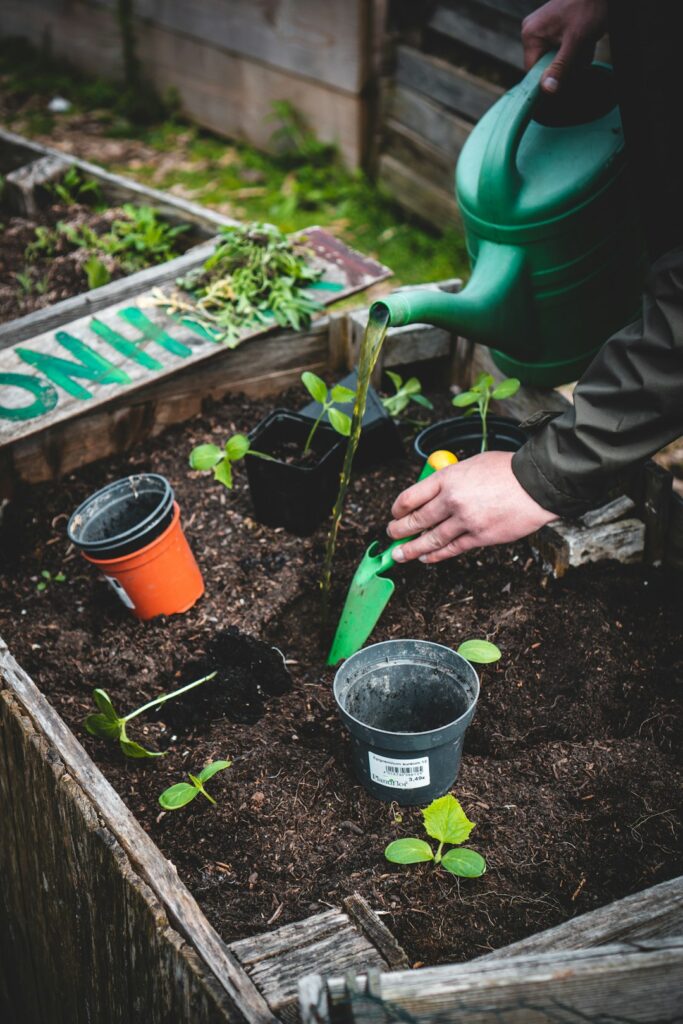
person holding green plastic shovel
IT

How Garden Rubbish Removal Works

Keeping a garden in good shape requires more than just occasional weeding and watering. One major aspect that often goes overlooked is the removal of garden rubbish. Whether you’re dealing with grass clippings, fallen branches, old fencing or leftover soil, garden waste can quickly pile up and become unmanageable. Understanding how garden rubbish removal works not only helps keep your outdoor space tidy but also supports a healthier environment. Garden rubbish typically includes organic waste such as leaves, hedge trimmings, dead plants and lawn clippings, but it can also encompass non-organic materials like broken plant pots, plastic coverings or discarded tools. When this waste accumulates, it can attract pests, block drainage, and become a general eyesore. Regular clearance ensures your garden remains a pleasant and usable space. Many people attempt to manage garden waste on their own, but this can be both time-consuming and physically demanding. Sorting different types of waste, bagging them appropriately and transporting them to the local tip can require significant effort, especially if you lack the right equipment or vehicle. This is where professional garden rubbish removal services come into play. These services specialise in collecting and disposing of garden waste efficiently, often recycling the organic material whenever possible. The process usually begins with an assessment of the volume and type of waste. This helps determine the right approach to collection and disposal. Some providers offer same-day clearance, while others may schedule pickups depending on demand. Trained personnel arrive with the necessary tools, including protective gear, waste sacks and transport vehicles, to ensure the job is done swiftly and safely. Not only do they remove the visible rubbish, but they also clean up the area afterwards, leaving your garden in a much-improved condition. Environmental responsibility is a key factor in modern garden rubbish removal. Organic waste, when disposed of properly, can be turned into compost or mulch, aiding soil regeneration and reducing landfill dependency. Non-organic materials are sorted and sent to appropriate recycling facilities. Choosing a service that prioritises sustainability ensures that your garden waste contributes to a greener future rather than adding to environmental problems. Hiring a garden rubbish removal service can also save you money in the long run. By avoiding fines for improper disposal, reducing wear and tear on personal vehicles, and freeing up your time to focus on gardening tasks you enjoy, the benefits often outweigh the costs. Moreover, professional teams can handle large-scale clearances that would otherwise take days if done independently. Seasonal garden maintenance often results in varying amounts of waste. In autumn, for example, fallen leaves and dead plants can build up quickly, while spring might bring pruning cuttings and old compost bags. Having a reliable service for seasonal garden clearances can ensure your garden is always in top form, ready to enjoy or cultivate further. There are also safety considerations to keep in mind. Piles of garden waste can become slippery, hide sharp objects, or harbour insects. Removing such hazards promptly not only improves the appearance of your garden but also ensures it’s a safe space for children, pets and guests. Professional removal services are trained to handle these risks and come equipped to deal with unexpected challenges. In urban areas where space is limited, garden waste can quickly obstruct walkways or overtake small patios. Efficient removal makes the best use of your available outdoor area, allowing for better landscaping or simply a more enjoyable place to relax. It also helps maintain good relationships with neighbours by preventing your waste from blowing into adjoining properties. As people become more environmentally conscious and value their time more highly, the appeal of professional garden rubbish removal continues to grow. Whether you’re a busy homeowner, an elderly gardener, or someone taking on a new landscaping project, knowing how the process works can help you make informed decisions. A clear, rubbish-free garden is not only easier to maintain but also a more pleasant space to spend time in.

Scroll to Top