
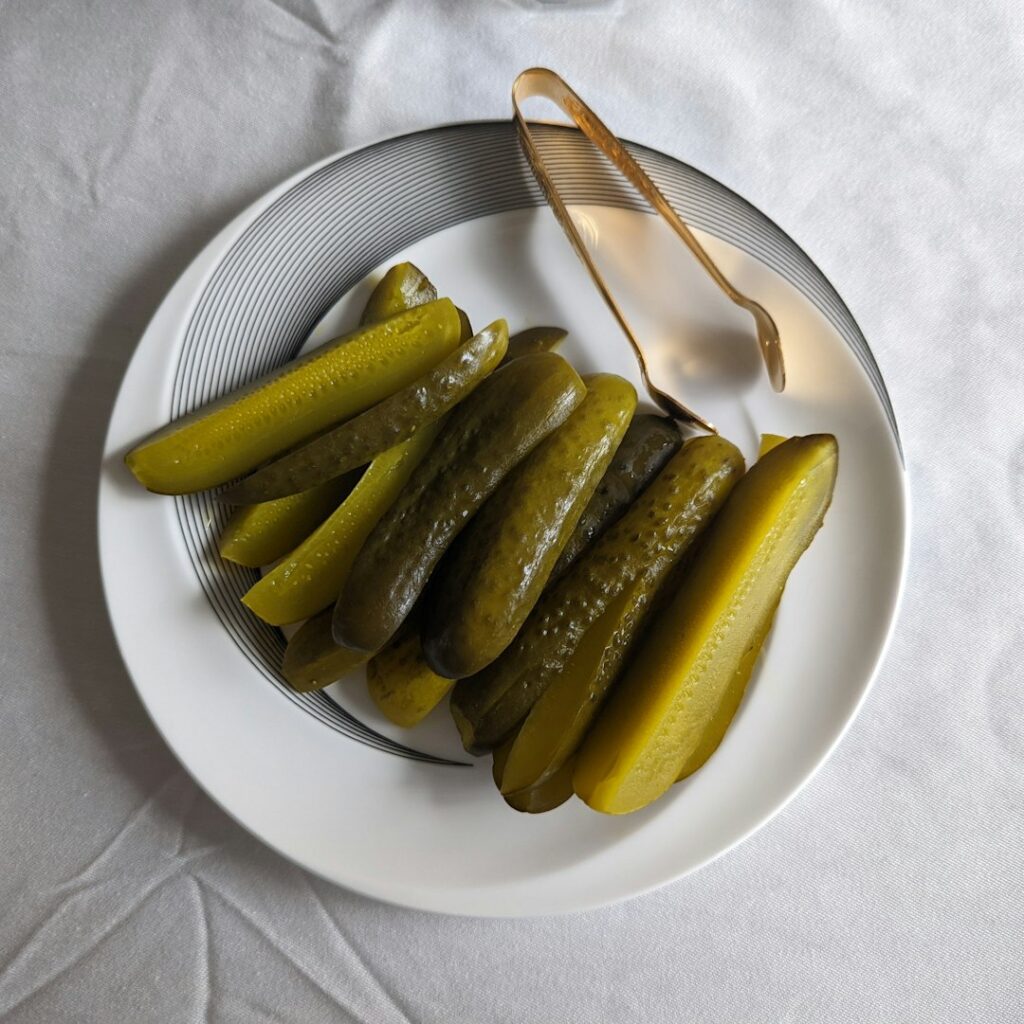
Piccalilli Traditions Worth Rediscovering
Piccalilli has long held a cherished place on British tables, its vibrant colour and tangy flavour making it a favourite accompaniment to cold meats, cheeses and festive spreads. While once a staple of the Victorian pantry, this mustardy pickle has recently enjoyed a quiet renaissance among food lovers seeking flavours that balance nostalgia with boldness. But with so many varieties now available, the question of what makes the best piccalilli becomes more complex than ever. At its heart, piccalilli is a blend of finely chopped vegetables preserved in a mustard and turmeric-spiced vinegar. Cauliflower, gherkins and onions are traditional ingredients, but modern versions sometimes include courgettes, green beans or even chillies to give a contemporary twist. Despite the variations, the essence of a good piccalilli lies in its balance of sharpness, crunch and spice. It should enliven rather than overpower, adding a punch of flavour that complements rather than dominates the food it’s paired with. Texture plays a vital role in determining the quality of piccalilli. Vegetables should retain their crunch, resisting the tendency to turn mushy after months in the jar. This crunch is not just a matter of preference; it’s an indicator of careful preparation and well-timed pickling. Many enthusiasts argue that the best piccalilli achieves a harmony between the different vegetables, where each bite offers a slightly different texture and taste, yet contributes to a cohesive whole. In terms of flavour, the mustard base should be bright and assertive without being harsh. Good piccalilli carries a subtle heat that lingers without overwhelming, and the vinegar should provide a clean, sharp edge that lifts the entire concoction. The inclusion of turmeric not only imparts its characteristic golden hue but also adds an earthy depth that rounds out the flavour profile. The spices must be balanced carefully; too much clove or mustard seed can tip the taste into bitterness. For those looking to explore a wide range of options, the selection of best piccalilli online offers a diverse spectrum of traditional and innovative recipes. Whether you favour a classic preparation or something with a modern twist, there’s no shortage of artisanal versions crafted with attention to detail and quality ingredients. Pairing piccalilli appropriately can significantly enhance the dining experience. It is a natural partner to pork pies, sausages and ploughman’s lunches, where its acidity cuts through the richness of meats and cheeses. But it also works surprisingly well with vegetarian fare. Try it alongside nut roasts, lentil patties or even stirred into mashed potatoes for an unexpected zing. Its versatility makes it a welcome addition to any well-stocked larder. The appeal of piccalilli is not just in its taste, but also in the sense of tradition and craftsmanship it represents. Many home cooks still make their own, often following recipes handed down through generations. The process of chopping, spicing and bottling, followed by the patience required during the pickling period, offers a satisfying ritual. It’s a way of connecting with culinary history while creating something personal and unique. For those less inclined to make their own, there are plenty of reputable sources that celebrate the heritage of pickling. A visit to a dedicated pickle specialist can offer insight into the nuances of flavour, texture and technique. The variety available at the House of Pickles serves as an excellent introduction to the breadth of piccalilli styles currently on offer. As interest in traditional British condiments grows, piccalilli is experiencing something of a revival. Whether enjoyed as part of a holiday spread, a quick sandwich topping or a thoughtful gift, it continues to captivate with its bold flavours and storied past. Rediscovering piccalilli is not just about taste, but about re-engaging with a piece of culinary heritage that deserves its place in modern kitchens.